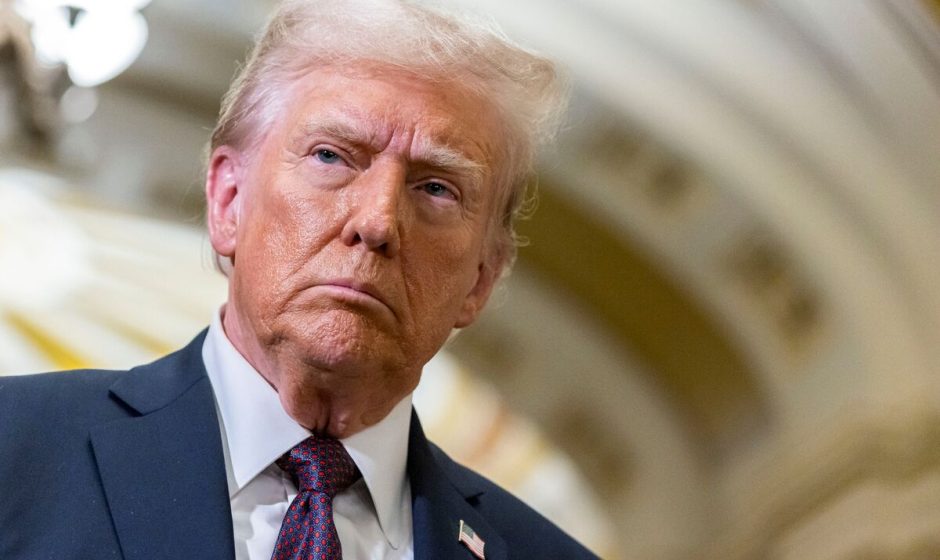

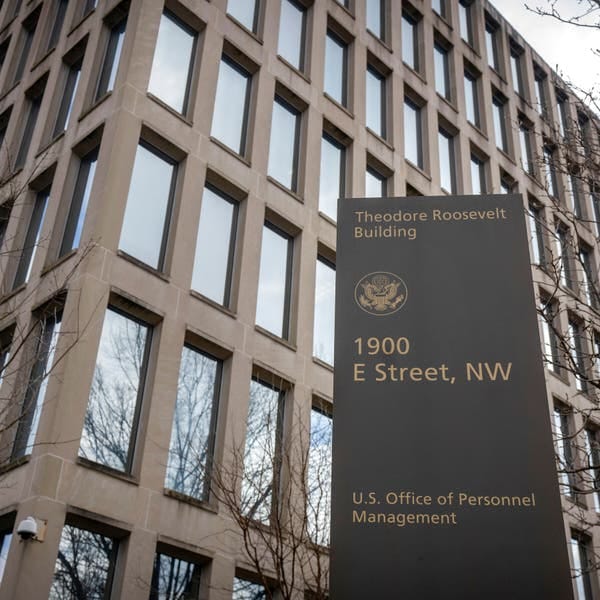
In a bold move to significantly reduce the federal workforce, President Donald Trump has announced a plan offering voluntary buyouts to over 2 million federal employees. This initiative, aimed at streamlining government operations, has sparked legal debates and concerns about its potential impact on public services.
The Buyout Proposal
The administration’s proposal offers federal employees who choose to resign by February 6, 2025, a buyout package that is designed to incentivize voluntary departures and streamline the federal workforce. The buyout package is substantial, providing employees with an amount equivalent to approximately eight months of salary and benefits. This financial offer serves as a significant incentive for federal workers who may be considering retirement or a career change, giving them a financial cushion to ease their transition.
The move is part of a broader strategy aimed at creating a leaner, more efficient federal workforce. By encouraging voluntary resignations, the administration seeks to reduce the overall size of the government while minimizing the disruption that might come from involuntary layoffs. The buyout is positioned as a win-win for both employees and the government, as it allows workers to leave on their own terms, while the federal government can save on long-term personnel costs.
Legal Concerns and Authority
Critics of the administration’s buyout proposal argue that this move stretches the limits of presidential authority and raises concerns about its legality. They contend that offering buyouts to federal employees without congressional approval could be an overreach of executive power. Legal experts are now closely scrutinizing the proposal, debating whether the executive branch has the constitutional authority to unilaterally implement such a significant reduction in the federal workforce. While some argue that the president has broad discretion over federal staffing and budget matters, others maintain that such a large-scale change should require approval from Congress, particularly when it involves altering the structure and size of the federal government.
Critics of the administration’s buyout proposal argue that this move stretches the limits of presidential authority and raises significant concerns about its legality. They contend that offering buyouts to federal employees without congressional approval could be an overreach of executive power, as such a substantial reduction in the federal workforce traditionally falls under the jurisdiction of Congress. Legal experts are now closely scrutinizing the proposal, debating whether the executive branch has the constitutional authority to unilaterally implement such a major workforce reduction. While some argue that the president has broad discretion over federal staffing, budget allocations, and workforce management, others maintain that such a large-scale, long-term change should require explicit approval from Congress, particularly when it could have far-reaching consequences on the structure and function of the federal government.
There is concern that a mass exodus of federal employees could disrupt essential government services. Agencies may face challenges in maintaining operations, leading to delays and reduced efficiency in serving the public. The loss of experienced personnel could also result in a significant knowledge gap within federal agencies
Reactions from Federal Employee Unions
Federal employee unions have expressed strong opposition to the buyout plan. They argue that the proposal undermines job security and could lead to a decrease in morale among remaining employees. Unions are also concerned about the potential loss of institutional knowledge and the impact on the quality of public services.
In The End
President Trump’s plan to offer buyouts to over 2 million federal employees represents a significant effort to downsize the federal government. However, the initiative faces legal challenges and concerns about its potential impact on government operations and public services. As the debate continues, the balance between efficient governance and maintaining essential services remains a critical consideration.
For Further Information Check the Links Below
Trump’s Bold Beginning: Controversial Policies Reshaping America – The Digital Star News