
Shield in the Sky: How Israel’s Air Defense Systems Are Battling Iranian Missiles
In an unprecedented escalation between regional rivals, Israel has found itself under a barrage of ballistic missiles and explosive drones launched by Iran over the past two days. The strikes have put Israel’s multi-layered air defense system to the test. According to a senior Israeli military official, the country’s defenses achieved an impressive 80–90% success rate. Still, the official admitted, “There’s no system that is 100%,” acknowledging that some Iranian missiles did penetrate the shield.
So what exactly is behind Israel’s ability to intercept such high volumes of incoming threats?
Israel’s First Line of Defense
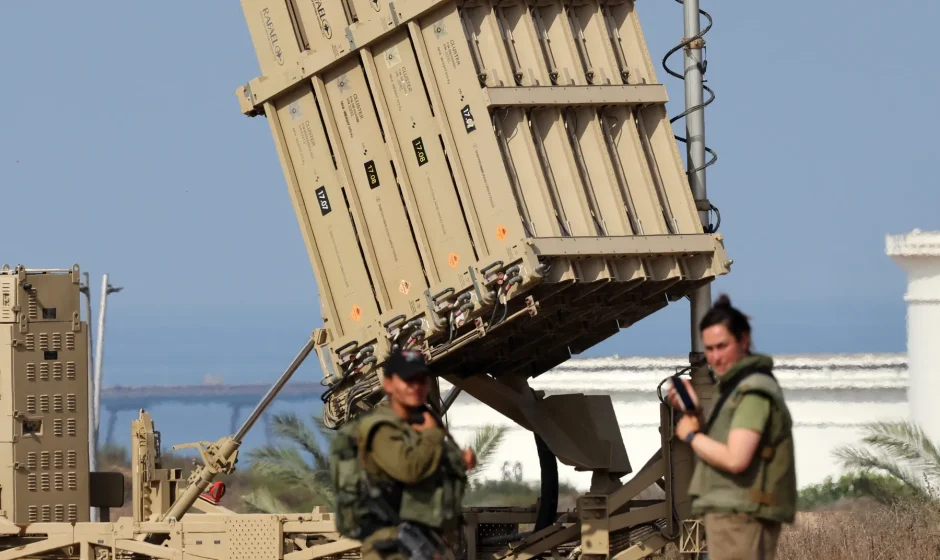
Developed by Rafael Advanced Defense Systems with U.S. backing, the Iron Dome became operational in 2011. It was initially designed to counter short-range rockets such as the Katyusha missiles often fired by Hezbollah in the north and Hamas in the south.
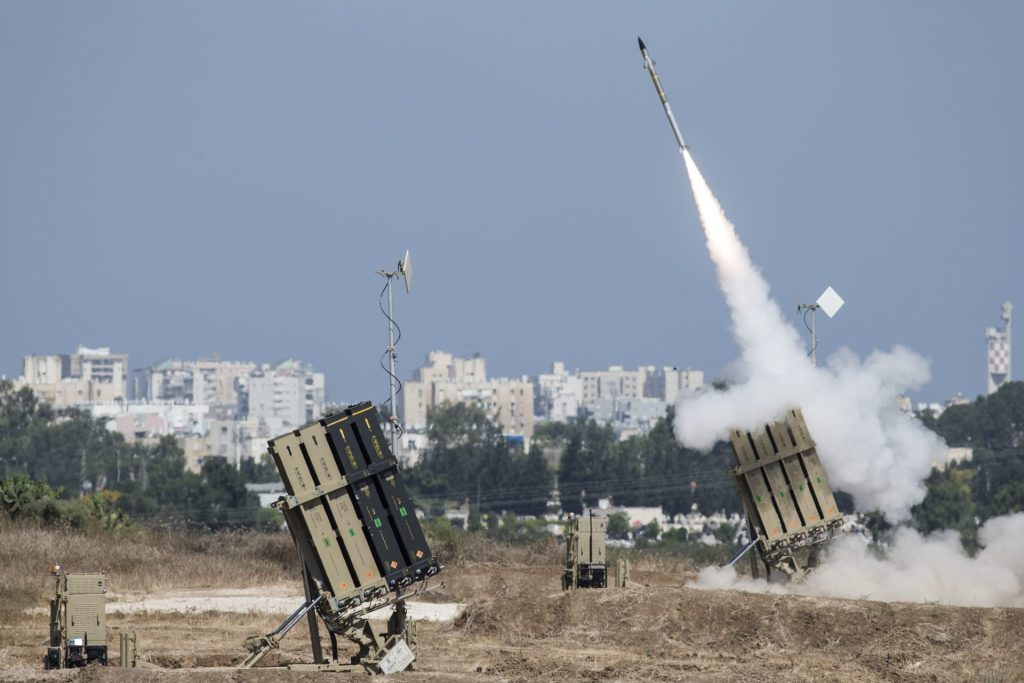
The Iron Dome uses a specialized radar tracking system to detect and analyze incoming projectiles. Once a rocket is detected, the system quickly calculates its trajectory and predicted impact zone. If it’s headed toward a populated or sensitive area, a command-and-control unit relays targeting data to interceptor launchers that fire Tamir missiles to neutralize the threat mid-air.
Each Iron Dome battery includes:
- A radar detection unit
- A battle management and control unit
- Three launchers, each carrying 20 interceptor missiles
By the end of 2011, Israel had already deployed Iron Dome near Gaza, testing its ability to handle rocket barrages. Over the years, it has proven itself time and again in various conflicts though now, it’s facing a much more complex challenge.
New Threats
In 2017, Israel introduced a naval version of the Iron Dome to defend its maritime interests, particularly offshore gas platforms and navy vessels. The adaptation reflects a growing awareness that future threats may come not only from land but also from sea-based or coastal missile platforms.
This evolution ensures that strategic marine assets are also under protection, closing a gap that once left Israel’s waters vulnerable.
The Bigger Picture
While the Iron Dome is the most publicized component of Israel’s air defense, it’s only one layer in a broader network that includes David’s Sling (for medium-range threats) and the Arrow system (for long-range ballistic missiles).
But Iran’s latest use of hypersonic technology, complex trajectories, and swarm tactics is testing even the most advanced setups. The margin for error is shrinking as adversaries upgrade their arsenals and experiment with saturation strikes.
Israel’s Iron Dome remains one of the world’s most advanced missile defense systems, a technological marvel. But as the nature of warfare evolves with faster, smarter, and more numerous threats one question remains:
Can technology alone keep pace with the growing complexity of modern warfare?