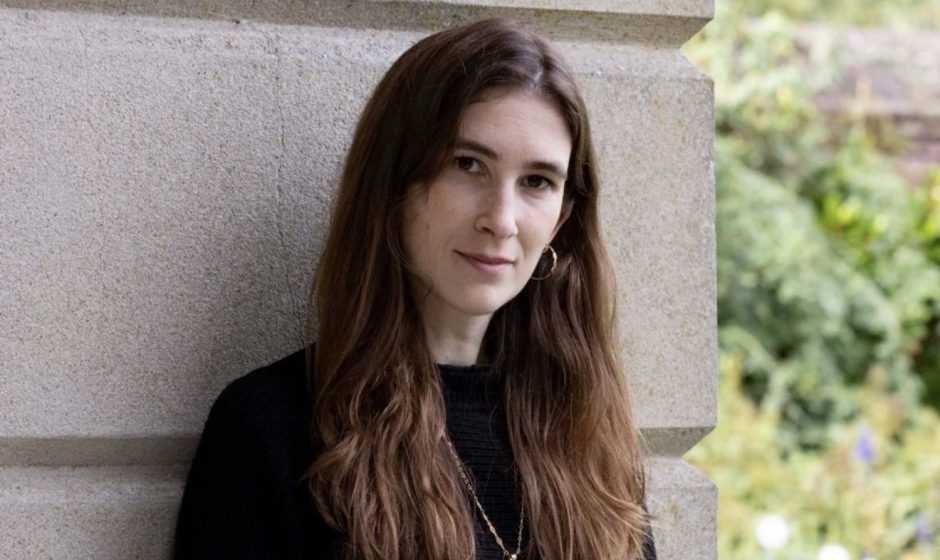

Growing reliance on artificial intelligence in education could soon enable university students to earn degrees without reading a single book, according to warnings from an academic at University of Oxford.
Author and academic Katherine Rundell said AI tools are rapidly transforming education in ways that make it increasingly difficult for professors to determine whether student essays were written by humans or generated by machines.
Speaking at the Hay Festival, Rundell argued that students in humanities subjects could potentially submit AI-assisted assignments without engaging directly with the original reading material.
“Counterfeiting Knowledge” in Universities
Rundell described the rise of AI-generated essays as a serious challenge to higher education, warning that universities may be facing what she called a “counterfeiting of knowledge.”
She explained that while students have historically found ways to write essays without fully reading assigned texts, artificial intelligence has fundamentally changed the situation by making it possible to generate entire papers about books students may never have opened.
According to Rundell, the concern extends beyond academic dishonesty to the broader decline of critical thinking and intellectual engagement.
Professors Struggle to Detect AI-Written Essays
The Oxford academic rejected the idea that educators can easily identify AI-generated work.
She noted that while poorly written AI content may still be obvious, students who spend time editing and refining AI-produced drafts can create essays that are nearly impossible to distinguish from genuine human writing.
Rundell criticized some universities for adopting more permissive approaches that allow students to use AI tools as long as they disclose or reference them, arguing that such policies risk weakening the educational process itself.
Concerns Over the Future of Critical Thinking
Rundell compared the rise of AI in education to a public safety crisis requiring urgent intervention.
She stressed that the true value of education lies not in the final essay itself, but in the process of reading, analysis, argument-building, and intellectual development that takes place while creating it.
According to her, those skills are essential for developing critical thinking, creativity, and the foundations of a healthy society.
“AI Is Not for Children”
The author also expressed concern about the growing use of AI tools among school-aged children, saying students are increasingly relying on platforms like OpenAI’s ChatGPT to complete assignments.
Rundell argued that overdependence on AI could reduce young people’s ability to think independently, experiment creatively, and develop resilience when facing challenges.
She warned that treating conversational AI systems as trusted companions could have long-term psychological and educational consequences for children and teenagers.
Fears of a Two-Tier Education System
Rundell also warned that artificial intelligence could deepen educational inequality.
She pointed to reports suggesting that some private schools in London are reducing the use of digital devices in classrooms and returning to traditional learning methods such as handwriting and paper-based work.
At the same time, she suggested that students in less privileged schools may become increasingly dependent on AI tools, potentially creating a widening gap in learning quality and critical thinking skills.
Debate Over AI in Education Continues
The comments come amid an intensifying global debate over the role of artificial intelligence in schools and universities, as educators worldwide struggle to balance technological innovation with concerns over academic integrity, student development, and the future of learning.