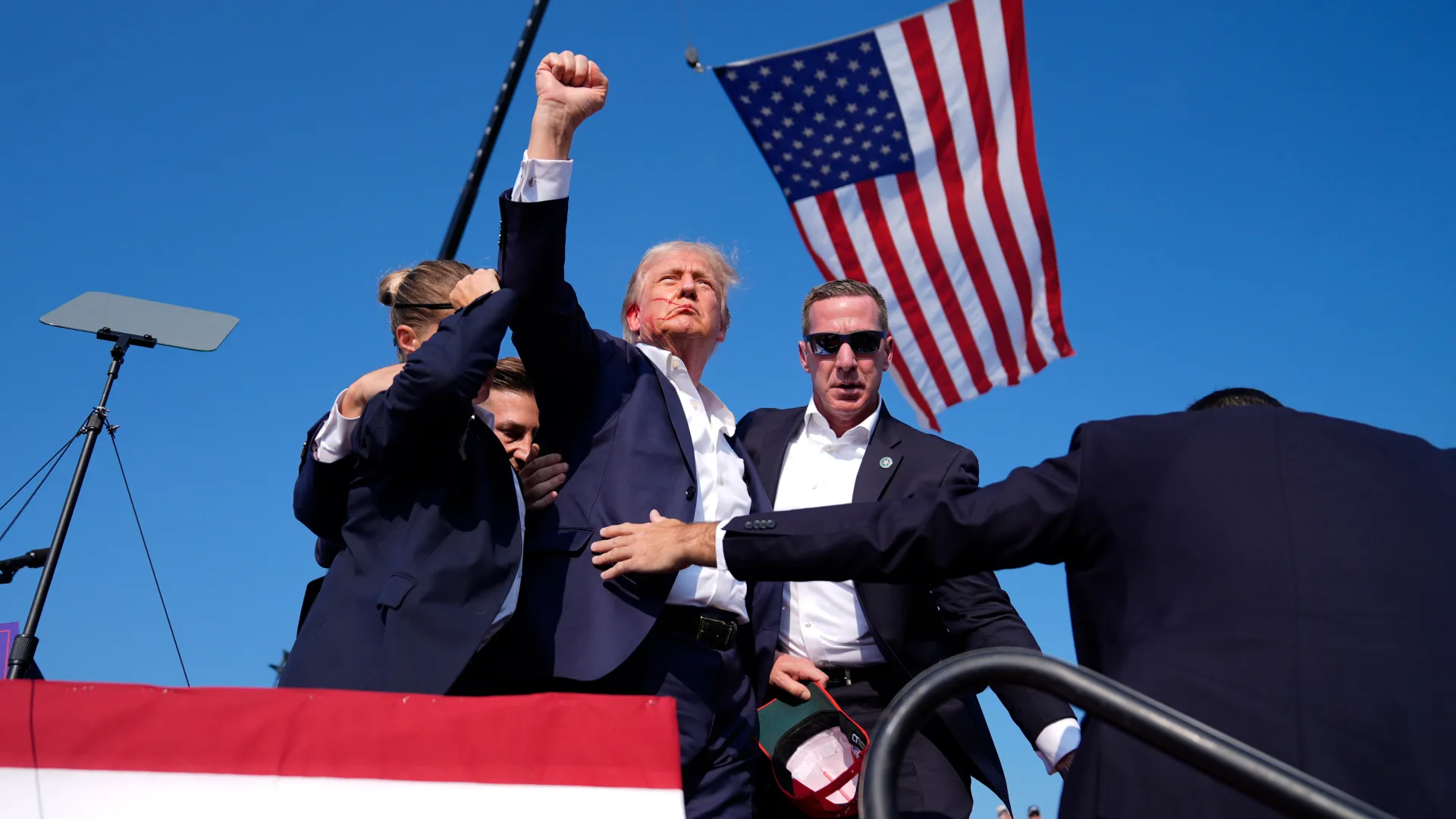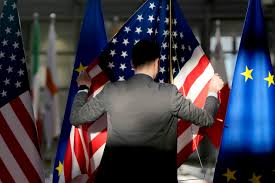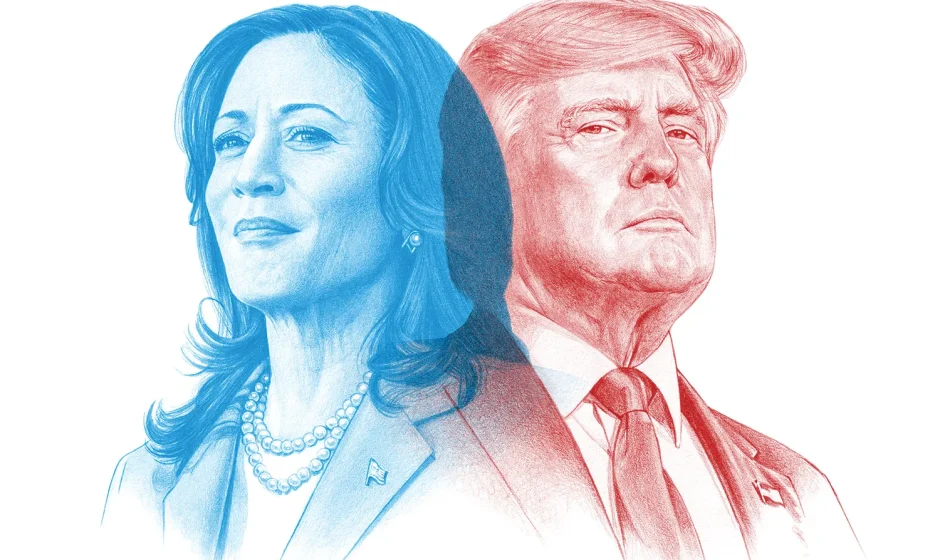

As the 2024 U.S. presidential election approaches, it’s evident that American public opinion has shifted significantly since the last electoral cycle. This change in voter sentiment is not only shaping the domestic political landscape but is poised to influence U.S. foreign policies, particularly in the Middle East.
In recent years, American perspectives on foreign intervention have evolved. There is a growing desire among the electorate for a more isolationist stance, questioning the extent of U.S. involvement overseas, especially in conflict-prone regions like the Middle East. This shift could signal a reduction in direct military engagements in the region, potentially altering the dynamics with key players such as Iran, Israel, and Saudi Arabia.
Economically, the U.S. has seen a bipartisan push towards reducing reliance on Middle Eastern oil, complemented by a surge in domestic energy production and renewable energy investments. This trend might lessen the geopolitical leverage of oil-rich Middle Eastern countries over U.S. policies, reshaping economic interactions in ways that could either ease tensions or foster new points of contention, depending on how these nations adjust to reduced U.S. dependence.
On the diplomatic front, the outcome of the election could lead to significant changes in how the U.S. handles its alliances and negotiations in the Middle East. A new administration might revisit policies regarding the Israeli-Palestinian conflict, Iran’s nuclear program, and the war in Yemen, setting new priorities that could either mend or strain relationships with longstanding allies and adversaries.
Finally, the reaction in the Middle East to the U.S. election results will likely be mixed. Allies such as Israel and Saudi Arabia will be keenly watching for signs of continuity or change in U.S. policy, while adversaries like Iran might calculate their next moves based on the perceived strength or weakness of the U.S. stance against their regional ambitions. As always, the ripple effects of the U.S. election will be felt far beyond its borders, making the international reactions as consequential as the domestic response.
Agency is the sense of control that you feel in your life, your capacity to influence your own thoughts and behavior, and have faith in your ability to handle a wide range of tasks and situations. Your sense of agency helps you to be psychologically stable, yet flexible in the face of conflict or change.
When one party delegates some authority to another party whereby the latter performs his actions in a more or less independent fashion, on behalf of the first party, the relationship between them is called an agency. Agency can be express or implied. Chapter X of the Indian Contract Act, 1872 deals with the laws relating to Agency. It is important to know the law relating to agency because nearly all business transactions worldwide are carried out through agency. All corporations, big or small, carry their work out through agency. Therefore, laws relating to the agency are an important area of Business Law. Relationships relating to principal and agent involve three main parties: The Principal, the Agent, and a Third Party.