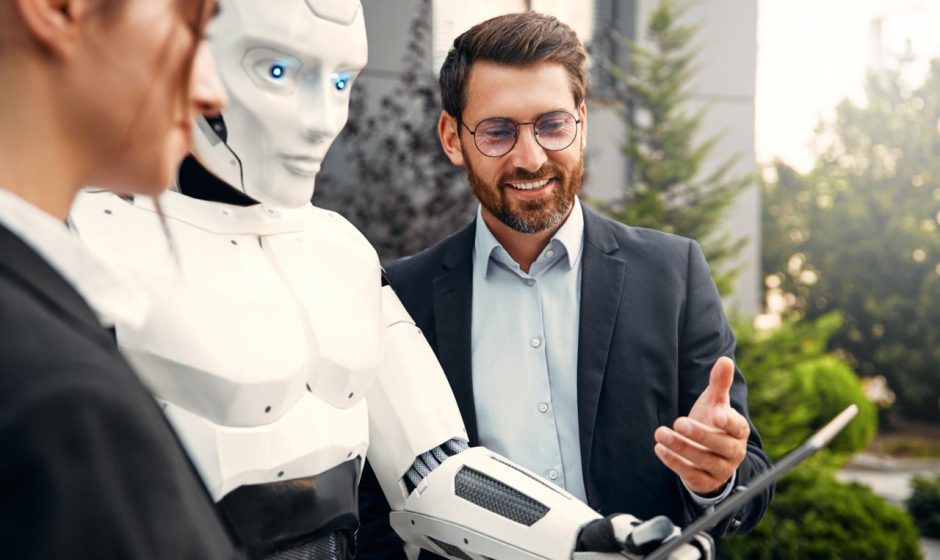


AI-Powered Management: Transforming Workplaces
AI-powered management is revolutionizing the way organizations operate, introducing efficiency and flexibility while raising critical concerns about fairness and human oversight. Whether it’s gig workers or corporate professionals, the influence of AI-driven management systems is expanding across industries.
Dr. Lindsey Cameron of the Wharton School conducted a seven-year study on algorithmic management, focusing on ride-hailing drivers using platforms like Uber and Lyft. These platforms employ AI-powered management to handle tasks like scheduling, payments, and even performance evaluations, replacing traditional human managers.

How AI-Powered Management Works
AI-powered tools interact with workers far more frequently than human managers. For example, ride-hail drivers report over 100 algorithmic interactions during a single shift. These interactions provide guidance, flexibility, and autonomy, but also demand constant engagement.
Dr. Cameron identified two strategies workers use under AI-powered management:
- Engagement tactics: Workers follow the algorithm without resistance.
- Deviance tactics: Workers manipulate the system for their benefit.
While these approaches foster a sense of control, they often obscure deeper structural challenges, creating what Dr. Cameron terms a “good-bad job” scenario.

Challenges of AI-Powered Management
Despite its advantages, AI-powered management lacks emotional intelligence, leading to potential issues in worker treatment. Warehouse employees and customer service representatives, for instance, are often pushed to their limits by algorithms that monitor performance metrics without context or empathy.
During the pandemic, remote workers experienced similar oversight, with tools tracking keystrokes and computer activity. This invasive monitoring extends to professionals, where algorithms analyze emails and performance reviews.

The Future of AI-Powered Management
As AI-powered management becomes more widespread, it’s crucial to implement safeguards. Dr. Cameron emphasizes the need for human oversight and appeals processes to address nuanced situations. “AI can support decision-making but must not replace human judgment,” she warns.
To learn more about the implications of AI in management, explore Dr. Cameron’s study at the Wharton School.