A Symbol of Devotion and Artistic Excellence
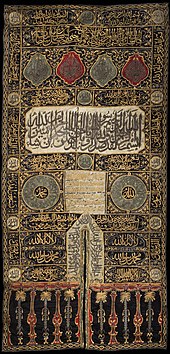
In 1855 (1272 AH), during the reign of Sultan Abdulmejid I, a singular masterpiece of Islamic art was created: the Kiswa for the door of the Kaaba. This rare artifact, measuring 3 meters by 1.56 meters, is the only surviving example from its era and stands as a testament to Ottoman devotion and craftsmanship. Preserved in a private archive in France, this Kiswa represents a harmonious blend of religious piety, cultural heritage, and artistic innovation

The Ottoman Custodianship of the Kaaba
The Sacred Role of the Ottoman Empire
As custodians of Islam’s holiest sites, the Ottoman Empire played a central role in the maintenance and adornment of the Kaaba and the Mosque of the Prophet. Sultan Abdulmejid I, known for his piety and modernization efforts, upheld the empire’s responsibility to produce and deliver the Kaaba’s coverings each year.
Sharif Abdul Muttalib bin Ghalib’s Leadership
At the time, Sharif Abdul Muttalib bin Ghalib served as Emir of Makkah, overseeing the local administration and ensuring the smooth execution of Hajj rituals. The production and delivery of the Kiswa, crafted in Istanbul, symbolized the Sultan’s commitment to the spiritual and logistical needs of the Muslim Ummah.
A Masterpiece of Ottoman Artistry
The Dar Al-Kiswa Workshop
The Kiswa was produced at the Dar Al-Kiswa, a specialized workshop in Istanbul’s Fatih district. Renowned for its expertise in textile arts, the workshop employed highly skilled artisans to create intricate designs and embellishments. Every stitch of the Kiswa reflected the artisans’ devotion and the Sultan’s desire to honor the Kaaba.
Materials and Design
- Fabric: Black silk of the highest quality, dyed to symbolize purity and reverence.
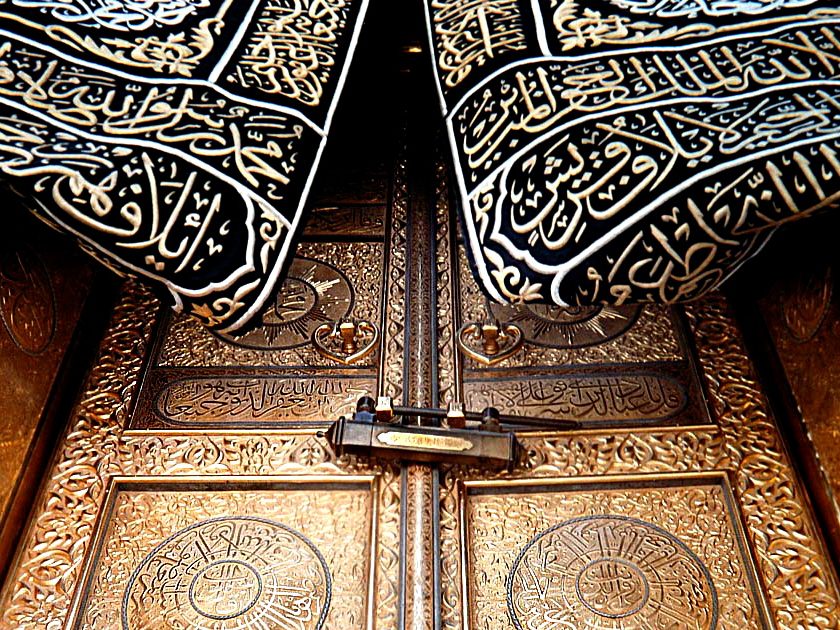
- Embroidery: Quranic verses and motifs were handwoven with gold and silver threads, exemplifying luxury and divine illumination.
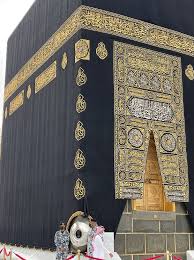
- Size and Proportions: Measuring 3 meters by 1.56 meters, the Kiswa was tailored to fit the Kaaba’s door, ensuring both functionality and aesthetic perfection.

The Journey to Makkah: The Mahmal Caravan
A Symbolic Procession
The completed Kiswa embarked on the Mahmal, an annual ceremonial caravan that carried it from Istanbul to Makkah. This event was a grand spectacle, symbolizing the Ottoman Empire’s dedication to its role as protector of the Two Holy Mosques.
Challenges Along the Route
The caravan traveled through Cairo, where an Egyptian-made Kiswa joined the procession. Despite the challenges of harsh terrain, tribal threats, and logistical obstacles, the Kiswa always arrived in Makkah before the Hajj season. In 1855, the journey was further complicated by an earthquake in Istanbul, which delayed production, yet the Kiswa reached its destination on time.
Cultural Significance: Faith, Beauty, and Heritage
Spiritual Symbolism
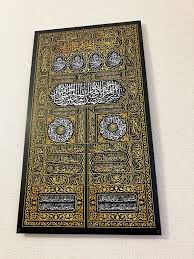
The Kiswa was more than an ornamental covering; it was a physical manifestation of devotion and unity. The Quranic inscriptions on the fabric reminded pilgrims of their faith and the Kaaba’s central role in Islamic worship.
Artistic and Historical Value
The Kiswa reflects the peak of Ottoman textile craftsmanship, combining artistic excellence with religious reverence. Its preservation in France offers an invaluable glimpse into the cultural priorities and artistic capabilities of the mid-19th century Ottoman Empire.

Legacy and Preservation: A Rare Historical Artifact
Survival Against the Odds
Unlike many Kiswas that were replaced or lost over time, the 1855 Kaaba door Kiswa remains intact. Its survival underscores its historical and cultural importance, offering future generations a unique opportunity to study Islamic art and Ottoman patronage.
Potential for Public Display
This artifact, currently held in a private archive, deserves a place in a major Islamic art museum or a special exhibition. Its story not only enriches Islamic history but also promotes cultural appreciation on a global scale.
A Timeless Testament to Faith and Craftsmanship
The 1855 Kaaba door Kiswa is a masterpiece that bridges the spiritual and artistic worlds. It stands as a powerful reminder of the Ottoman Empire’s role in Islamic history and its commitment to preserving the sanctity of the Haramayn. From its intricate craftsmanship to its symbolic journey through the Mahmal caravan, this Kiswa is a beacon of devotion, beauty, and heritage.
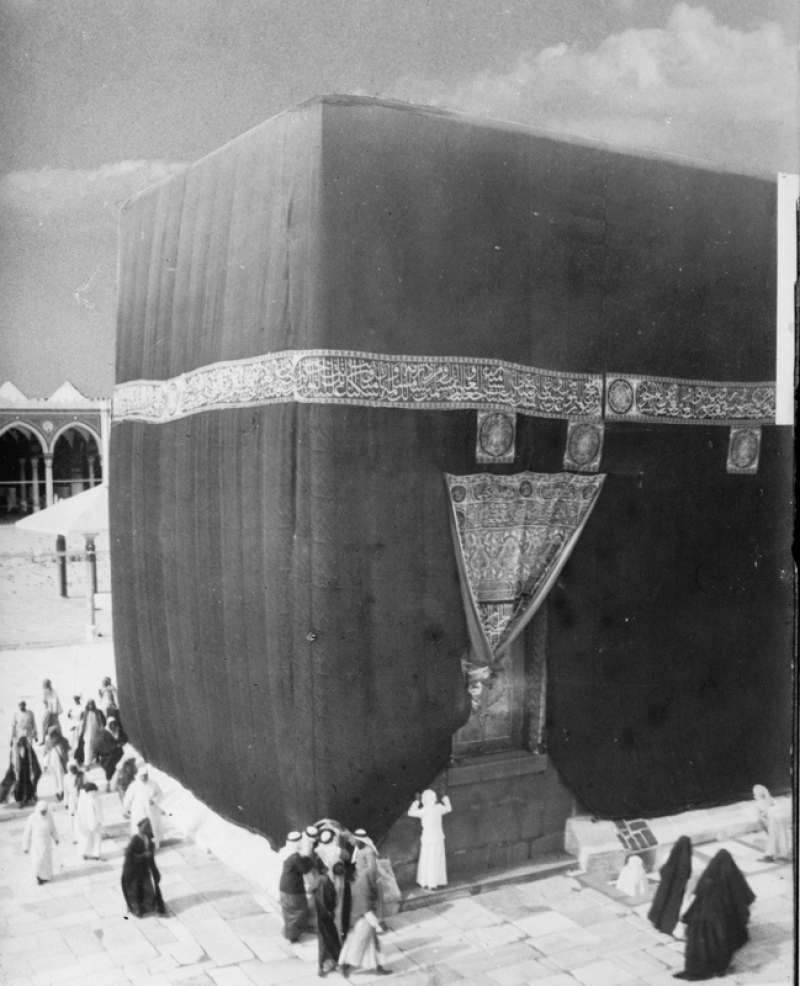
What are your thoughts on this incredible piece of history? Share your views in the comments below!
Kaaba’s kiswah replaced in Mecca to mark New Islamic Year
Kaaba kiswa raised ahead of Hajj