
Ending a Political Deadlock of Years
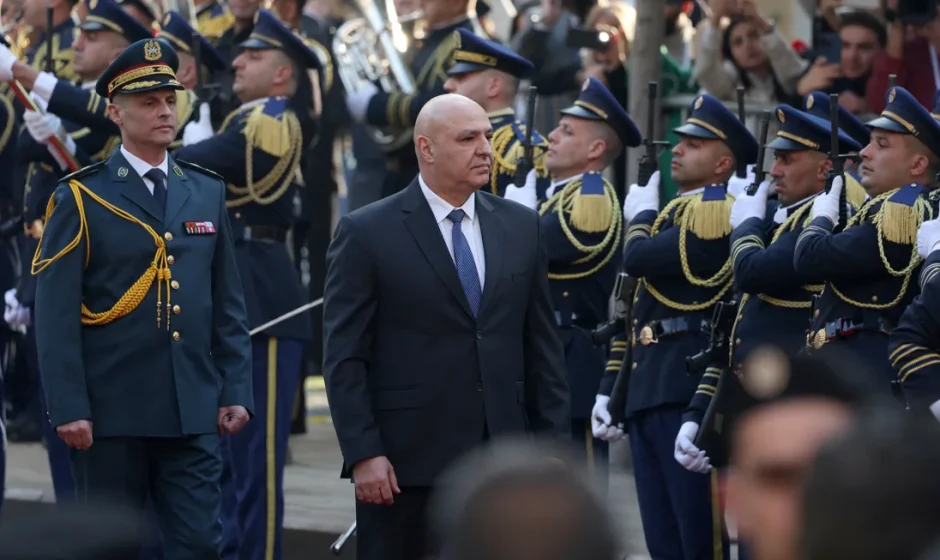
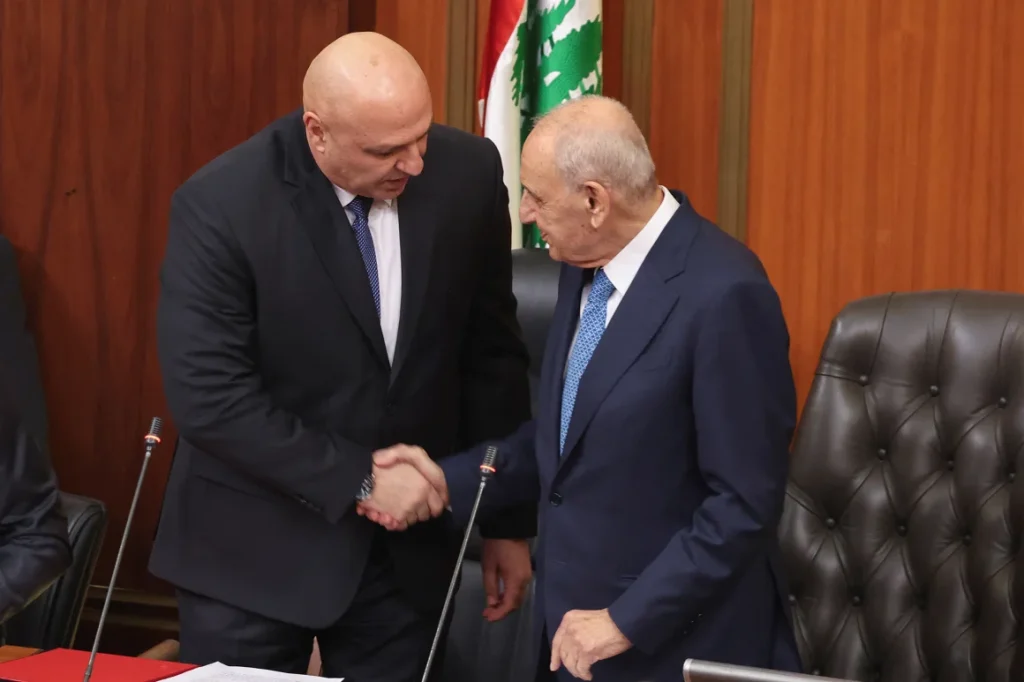
Lebanon has reached a historic turning point as the parliament elected Army Chief Joseph Aoun as president. This long-awaited decision ends a multi-year political vacuum, resolving a presidential impasse that had hampered the nation’s stability.
Joseph Aoun: A New Chapter for Lebanon
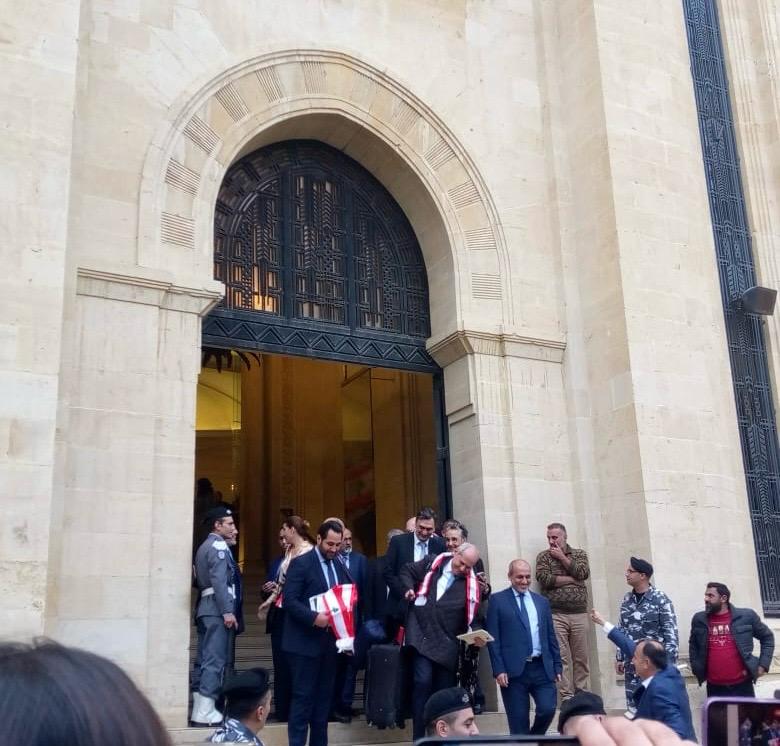
Joseph Aoun, a leader with strong backing from the United States and Saudi Arabia, emerged victorious after two decisive rounds of voting. This significant development underscores Lebanon’s pivot towards stronger ties with Western and Gulf allies. With his election, Aoun immediately stepped down as army chief, taking the oath in civilian attire and signaling the dawn of what he called a “new era.”
Focus on Sovereignty and Reform
In his inaugural address, Aoun vowed to address Lebanon’s complex crises, including economic instability and political fragmentation. He took a bold stance against unauthorized armed groups, emphasizing that all weapons must come under the state’s authority—a clear challenge to Hezbollah, the Iran-backed militant organization.
What’s at Stake with Hezbollah?
Hezbollah, historically Lebanon’s most influential militia, has seen its power diminish following a series of regional setbacks. These include last fall’s conflict with Israel and the loss of its ally, Syrian President Bashar al-Assad. A US-brokered ceasefire has further weakened Hezbollah, mandating the group’s withdrawal from the Israeli border region while requiring Israeli forces to exit Lebanese territory by January’s end.
A Defensive Strategy Without Hezbollah
In a groundbreaking move, Aoun proposed a state-controlled defensive strategy, effectively sidelining Hezbollah from Lebanon’s military response to Israeli aggression. He declared:
“The Lebanese state—only the Lebanese state—will eliminate the Israeli occupation and safeguard national security.”
This strategy shifts the balance of power, ensuring Lebanon’s military independence from Hezbollah’s arsenal.
A Nation United or Divided?
Lebanon’s political structure, rooted in confessional power-sharing, mandates that the presidency is held by a Maronite Christian. Despite initial opposition, Hezbollah ultimately supported Aoun during the second round of voting, framing it as a gesture of “national cohesion.” Aoun secured 99 out of 128 votes, reflecting a strong parliamentary consensus after 12 failed attempts over two years.
From Stalemate to Progress
Lebanon has struggled without a president since Michel Aoun’s term ended in October 2022. The former president, who shares no relation with Joseph Aoun, was closely aligned with Hezbollah, further polarizing the nation. Joseph Aoun’s election ushers in an era of hope, signaling the possibility of unity amidst lingering divisions.
Summary
Lebanon’s election of Joseph Aoun as president ends years of political stagnation. With US and Saudi backing, Aoun’s presidency is set to reshape the nation’s approach to sovereignty, economic reform, and military strategy, particularly in addressing Hezbollah’s role. Aoun’s vision promises a shift towards unity, stability, and international collaboration.