
Concerns Over U.S. Officials Using Signal for Sensitive Discussions
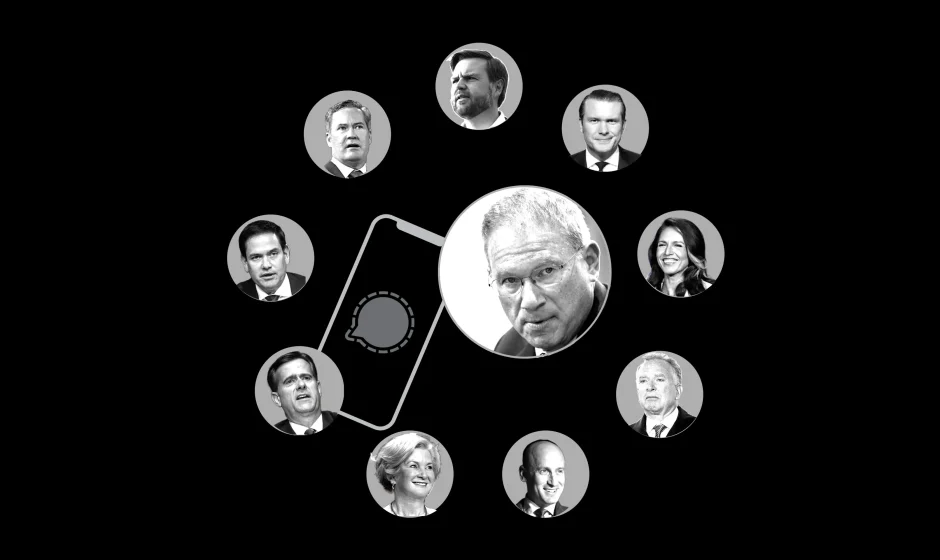
The administration of U.S. President Donald Trump is facing backlash after The Atlantic published an article about a secret group chat involving top government officials. The article, written by The Atlantic’s editor-in-chief Jeffrey Goldberg, revealed that he was unexpectedly added to a Signal group chat where high-level discussions about bombing Yemen took place.
The White House’s Response
Trump dismissed the concerns, saying, “There was no classified information, as I understand it.” He also stated that he had no plans to punish anyone, ban Signal, or demand apologies from those involved.
White House Press Secretary Karoline Leavitt also defended the administration, claiming that no secret war plans were shared in the chat. She accused Goldberg of exaggerating the situation.
What is Signal?
Signal is a messaging app that allows private conversations through direct messages, group chats, phone calls, and video calls. It uses end-to-end encryption, meaning only the sender and recipient can see the messages. Even Signal itself cannot access them.
What Was Discussed in the Chat?
According to Goldberg, the chat included senior officials such as Vice President JD Vance, Secretary of Defense Pete Hegseth, and Homeland Security Advisor Stephen Miller. They reportedly discussed the timing of airstrikes on the Iran-backed Houthi rebels in Yemen.
Goldberg did not publish classified details from the chat, but he said the information was sensitive enough that, if leaked, it could have endangered American military personnel.
The Origins and Funding of Signal
Signal was originally created by an entrepreneur known as Moxie Marlinspike. He previously worked as head of product security at Twitter after selling his mobile security startup to the company.
In 2018, the nonprofit Signal Foundation was established to support the app’s operations and explore the future of private communication. According to its website, the foundation does not rely on advertisers or investors but is funded by donations from users who value privacy.
The foundation’s board consists of five members, including Brian Acton, co-founder of WhatsApp, who contributed $50 million to help launch the foundation.
The main issue is whether highly sensitive government discussions should take place on an app that does not officially store records. U.S. federal laws require government communications to be properly documented, and the use of Signal raises questions about whether these rules were followed.
The controversy continues as officials debate whether the chat posed a security risk or if the concerns are being exaggerated.