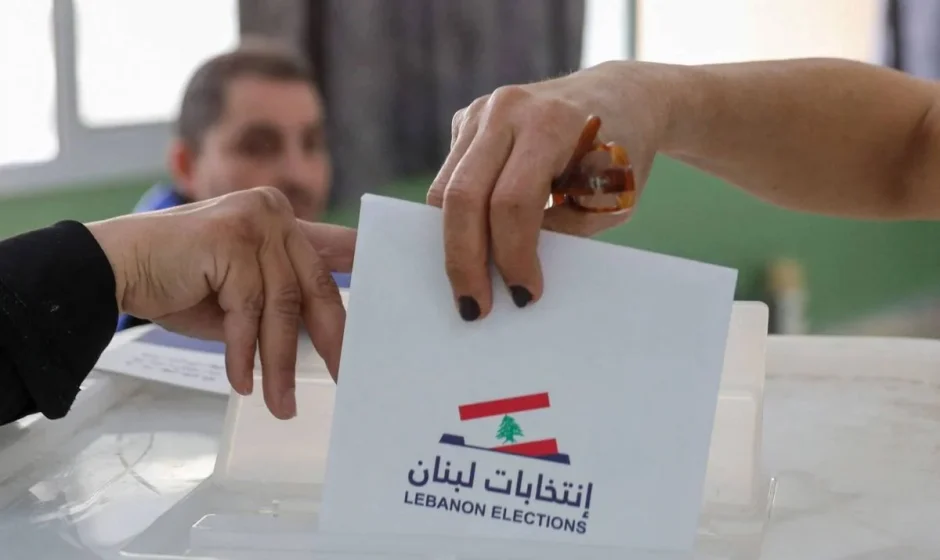


Elections at Risk: Citizens’ Data Exposed
Lebanon is preparing for its municipal elections in a decade , but there’s a serious risk. To vote, people have to check their personal information online using a government website that’s not well protected. This could lead to a major data leak. The site is run by the Directorate General of Civil Status (DGCS) and funded by the UNDP and EU. While it lets people search voter data using just basic info like district or ID number, the platform has no clear privacy rules or safety measures. By entering just a few details like the area and civil registry number anyone can find private information such as names, birth dates, gender, religion, and even family member names. This kind of exposure is extremely dangerous.
Cyberattacks on the Rise
Since 2023, Lebanon has been facing cyberattacks linked to the Israeli intelligence unit 8200, especially during Israel’s war on Lebanon. These attacks make it even riskier to leave personal data unprotected.
In 2024, a hacker group called “We Are ROOTK1T,” tied to Israeli interests, claimed it broke into Lebanon’s Ministry of Social Affairs and Parliament websites. They warned of future leaks and criticized Lebanon’s weak digital protection. The group posted: “No system is safe… we’ve exposed their weaknesses. We’ll strike fear into the hearts of those in power.” Their goal seems to be chaos, and Lebanon’s weak system makes that easy.
No Privacy Policy, No Protection
Even though the DGCS platform is supported by global partners, it lacks even the basics no privacy policy, no clear terms of use. This means users don’t know how their info is being saved, who sees it, or how it’s protected. Also Lebanon’s current data protection law doesn’t offer real protection. It only asks data handlers to inform the Ministry of Economy if there’s a breach nothing more. Plus, government bodies don’t even have to follow it.
In France and Germany for example, citizens must log in securely with a digital ID to check their voter info. Only authorized people can access voter data. Lebanon’s system doesn’t offer these safety features.
Protect the Vote
Experts and civil groups are demanding change. They want Lebanon to limit what voter data is public and pass new, stronger data protection laws ones that apply to both the government and private sector.
Without real changes, Lebanon risks harming its elections and its people. Protecting voters should be the priority not exposing them to more danger.
source : Insidetelecom