
A Turning Point in the Middle East
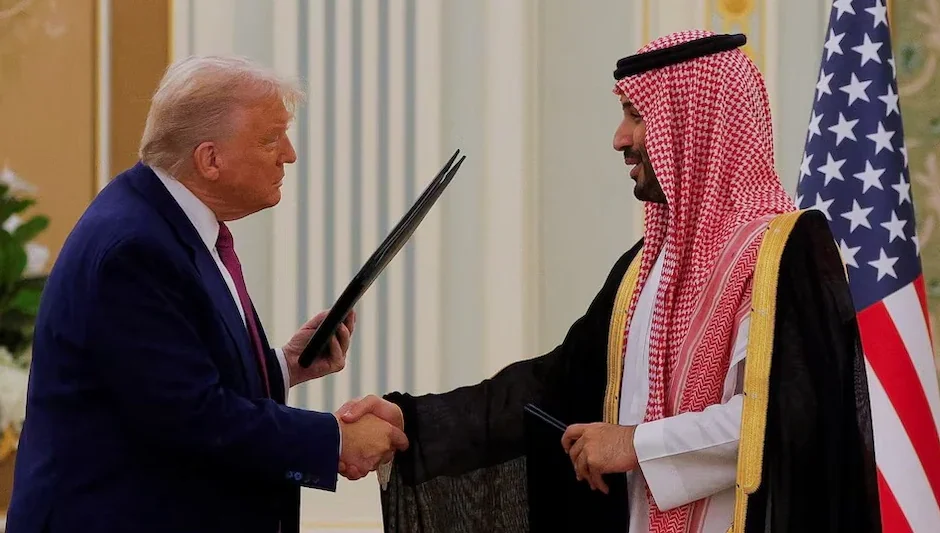
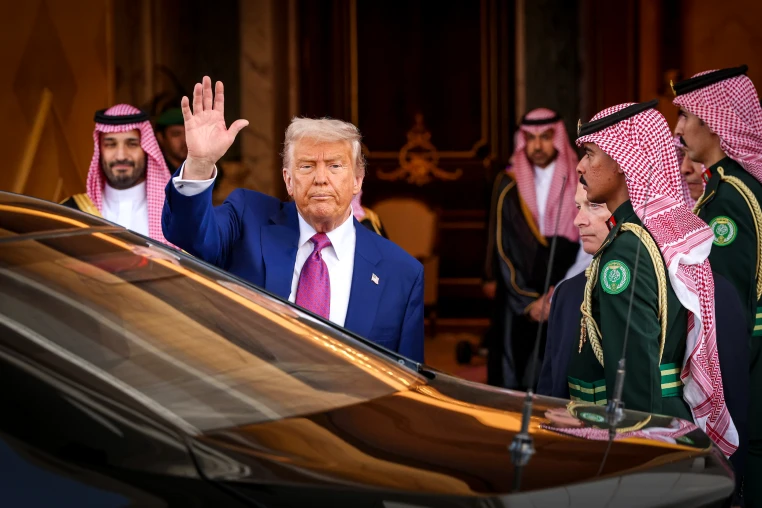
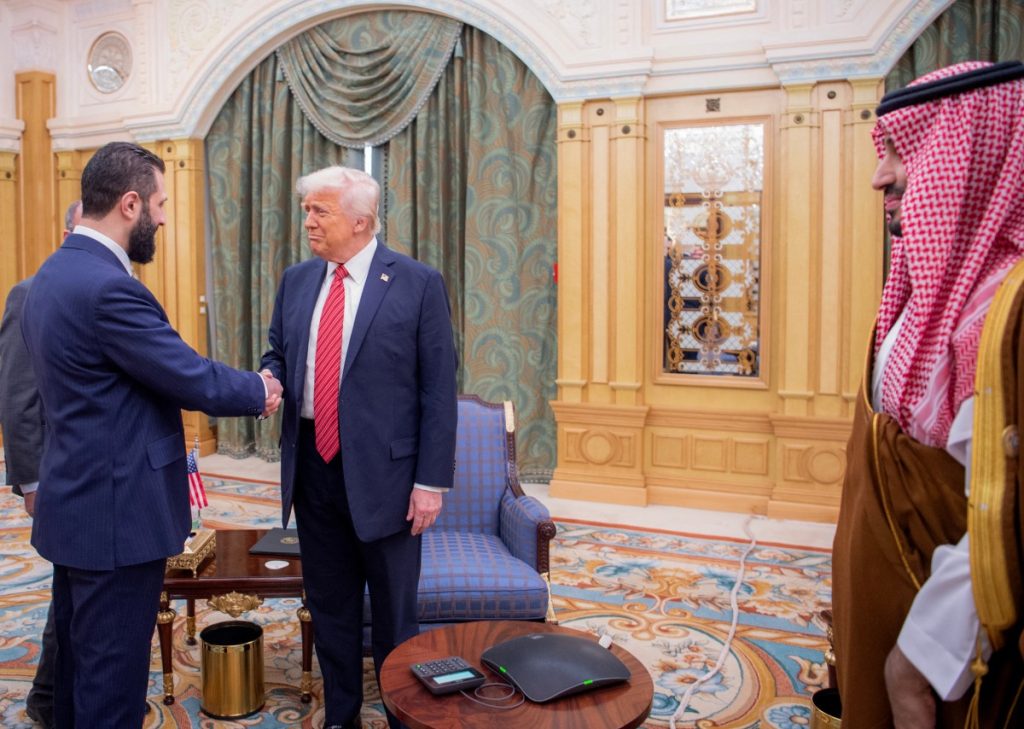
The Middle East has waited a long time for a moment like this, when U.S. President Donald Trump returned to the region with a clear goal: peace and partnership. Saudi Arabia, led by Crown Prince Mohammed bin Salman (MBS), welcomed him with open arms and a shared vision for the future.
Vision 2030 Meets Trump’s Strategy
Since 2016, MBS has worked hard to modernize Saudi Arabia through Vision 2030. Despite past tensions with the U.S. during the Democratic administration, Trump’s return brought renewed hope. He sees Saudi Arabia as a key partner in building peace and boosting global economic growth.
Trump’s first stop was Riyadh, just like in 2017. He gave his longest speech yet at the U.S.-Saudi Investment Forum, focusing on more than just the economy. He spoke about tough regional issues, like Iran, Syria, and Lebanon, and praised MBS’s leadership and bold decisions.
One of the biggest headlines? Trump agreed to lift sanctions on Syria after MBS requested it which represents a strong sign of their growing partnership.
$142 Billion in Defense Agreements
The U.S. and Saudi Arabia signed several agreements, especially in defense. These include high-tech weapons, space capabilities, and missile systems from 12 different American companies, totaling $142 billion. It’s one of the largest military deals ever.
Lebanon in the Spotlight
Trump also talked about Lebanon, showing he understands how much the Saudis care about the country’s peace and development. He recognized Saudi Arabia’s historic efforts to support Lebanon’s stability and economy.
Gulf States Welcome Trump, But Questions Remain
Trump’s visit included stops in Saudi Arabia, Qatar, and the UAE, all countries that support his style: strong, business-minded, and clear in his goals. Yet, many wonder if he’ll stick to a firm plan on Iran and whether the region will see real change or more tension. Surprisingly, Trump didn’t visit Israel. This suggests that his focus isn’t on solving the Israeli-Palestinian conflict right now. Some Arab leaders may push him to include something for Palestinians in any future peace deal with Israel. Without that, progress may be slow.
Syria’s Future
Regarding Syria’s Future, Arab leaders hope Trump will pay more attention to Syria. The country’s future is key for the region, and many believe more active U.S. involvement is needed. Saudi leaders want to see Syria back on the international agenda, He also made it clear that
“We are seeking to normalize relations with the new Syrian government,”
which signals a serious shift in U.S. foreign policy and potentially the start of a new chapter with Damascus.
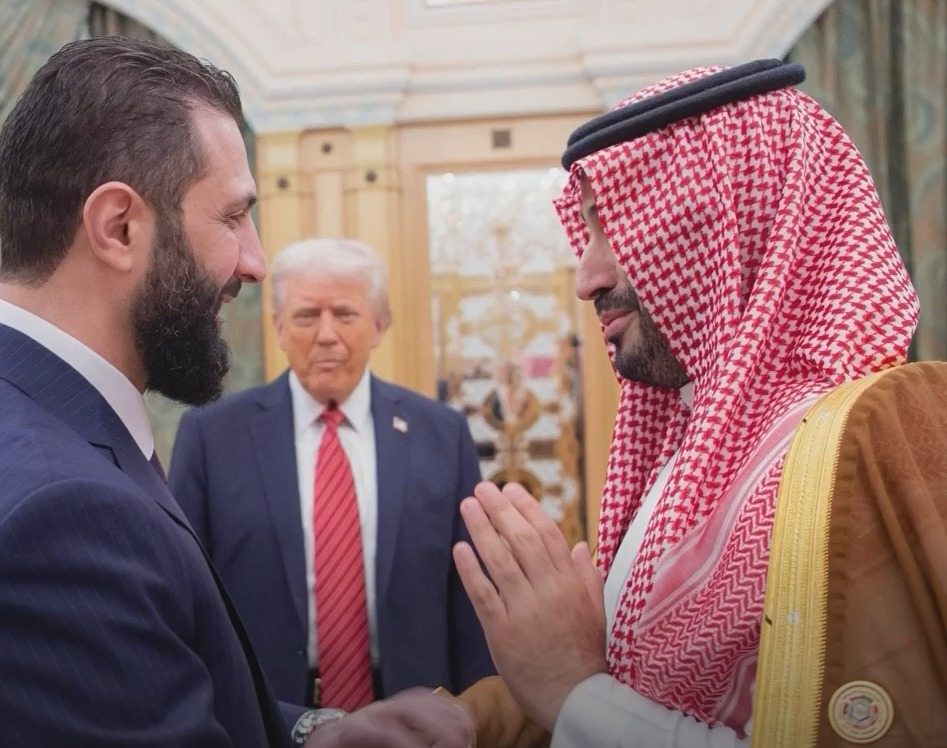
One of the biggest headlines? Trump agreed to lift sanctions on Syria after MBS requested it is a strong sign of their growing partnership. On the topic of Syria, Syrian Foreign Minister Sharaa commented, “We share this achievement with the Syrian people,” referring to the diplomatic meeting with Trump. The White House also reported that Sharaa informed Trump that he invites American companies to invest in Syria’s oil and gas sector.
In addition, the White House stated that Trump “asks Sharaa to help America prevent ISIS resurgence.” This highlights the urgency of international cooperation to stabilize the region.
Abraham Accords
Trump reiterated his commitment to expanding the Abraham Accords, saying: “We will work on adding more countries to the Abraham Accords.” This shows his continued focus on regional alliances and Israeli-Arab normalization.
Other Regional Reactions
- Secretary-General of the Gulf Cooperation Council: “We look forward to the success of the ceasefire negotiations in Gaza, and we commend the efforts of the Saudi Crown Prince to assist the Syrian people.”
- Representative of the Sultan of Oman: Trump’s diplomatic policy “contributes to encouraging constructive dialogue,” and Oman encourages a positive atmosphere for dialogue between the U.S. and Iran.
- Emir of Kuwait: The meeting took place amid “extremely complex circumstances,” noting the escalation of regional crises.
- U.S. State Department spox to LBC: We want to provide full support to the Lebanese people. Lebanon now has a president and a new government, and we will continue to support the Lebanese army
Trump’s visit to Saudi Arabia wasn’t just about improving ties between two nations, it was about recalibrating alliances, resetting priorities, and reinforcing the region’s complex web of relationships. From Syria to Iran, the stakes have never been higher. As always, peace in the Middle East feels both close and elusive. Let’s see what the future holds.