
More Than a Vote
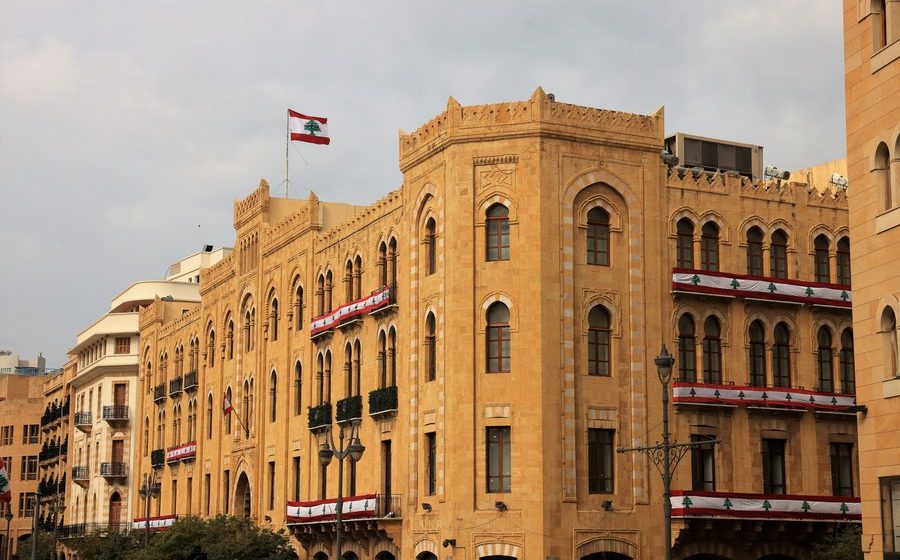
In the middle of economic pressure, failing services, and growing frustration, Beirut is heading into a new round of municipal elections and for many, it’s more than just a vote. It’s a chance to fix what’s broken close to home.
Municipal councils may not get the same spotlight as national politics, but they’re the ones who handle the everyday from trash collection and road repairs to parks, lighting, and public safety. And in a place like Beirut, where people feel let down by the system again and again, the local level might be where real change can start.
Balouza: “It’s About Sustainable Development”
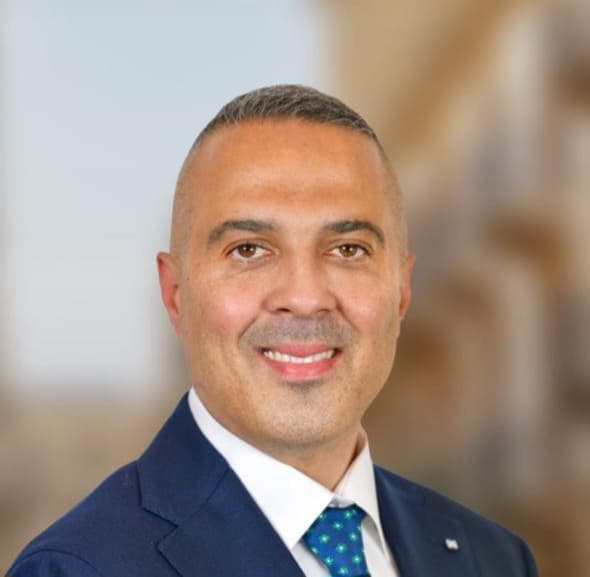
Dr. Mohammad Hisham Balouza a lawyer and professor who grew up in the heart of Beirut, also a municipal council candidate explains it clearly:
“Municipal work isn’t just about services. It’s about sustainable development, built on transparency, planning, and putting people first.”
The Power and Limits of Local Authority
According to Lebanese law, municipalities have legal and financial independence. They get their funding from local taxes, the Independent Municipal Fund, and outside donations. But what they do with that money and how honest they are in using it makes all the difference.
A Functional Municipality
Balouza says that a successful municipality is one that communicates, listens, plans, and delivers. “If there’s no vision or planning, you get poor services, broken roads, environmental problems and no one held accountable.”
How Should Beirutis Vote?
How should people vote this time? Balouza believes voters need to shift the way they choose. “It’s not about loyalty or family names. It’s about who’s capable, honest, and ready to serve not serve a political party.”
What Voters Should Look For
- Who has real experience with public issues?
- Who listens and understands daily struggles?
- Who works with transparency and clean hands?
- And who can make decisions for the city not for political gain?
Voting Is Just the Start
But the elections are just the beginning. Follow-up and accountability are key. “After the votes are counted, that’s when the real responsibility begins from both sides,” he says. “People should attend meetings, speak up, and track what’s being done. That’s how democracy works.”
At a time when many feel powerless, the municipal elections are a reminder that not all doors are closed. That maybe, with the right people in the right places and with a community that stays involved Beirut can slowly reclaim some of the dignity it’s lost.