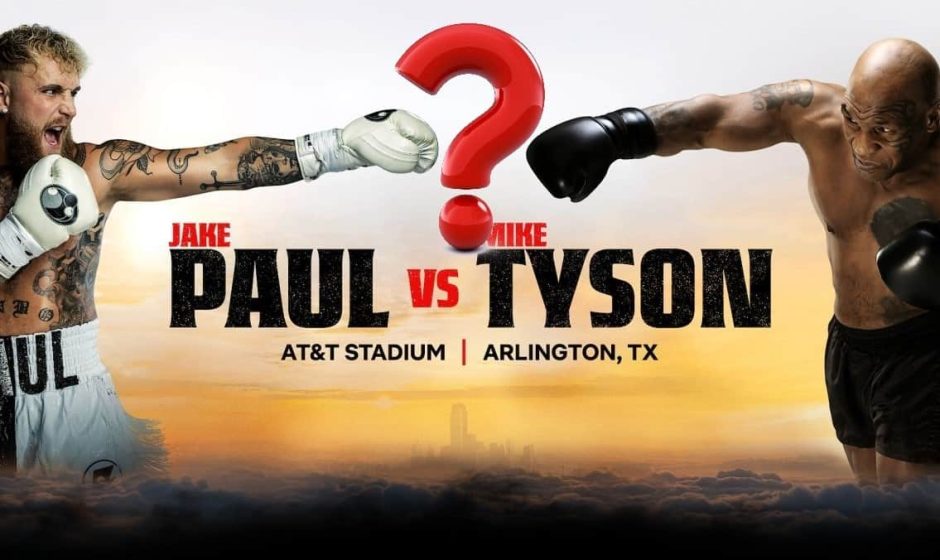

November 15, 2024, saw a monumental clash between two very different figures in the boxing world—Mike Tyson, the legendary heavyweight icon, and Jake Paul, the brash, internet-born boxer. Held at the iconic AT&T Stadium in Arlington, Texas, and streamed globally on Netflix, this highly anticipated bout captivated millions and ignited conversations about the evolving nature of the sport.
The Matchup: Experience Meets Youthful Tenacity
Mike Tyson, now 58 years old, entered the ring with a storied legacy as one of boxing’s most feared competitors. Despite his age, the “Baddest Man on the Planet” demonstrated flashes of his trademark speed and power. On the other hand, Jake Paul, 27, approached the fight with a mix of youth, energy, and a growing reputation in the boxing world. With a record of 9 wins (6 by knockout) and 1 loss, Paul came prepared to prove himself against a legend.
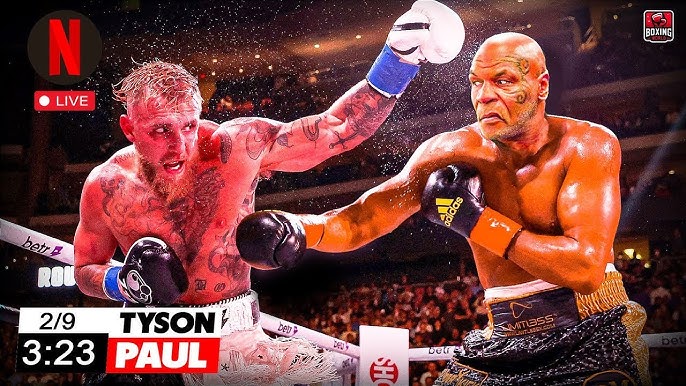
The eight-round bout saw both fighters employing contrasting strategies. Tyson controlled the early rounds with his aggressive, forward-moving style, delivering powerful combinations that tested Paul’s defensive abilities. Paul, showing surprising resilience, relied on calculated counterpunches and footwork to stay in the fight. As the rounds progressed, Tyson’s pace slowed, allowing Paul to find opportunities to land key shots.
A Draw That Divided Fans
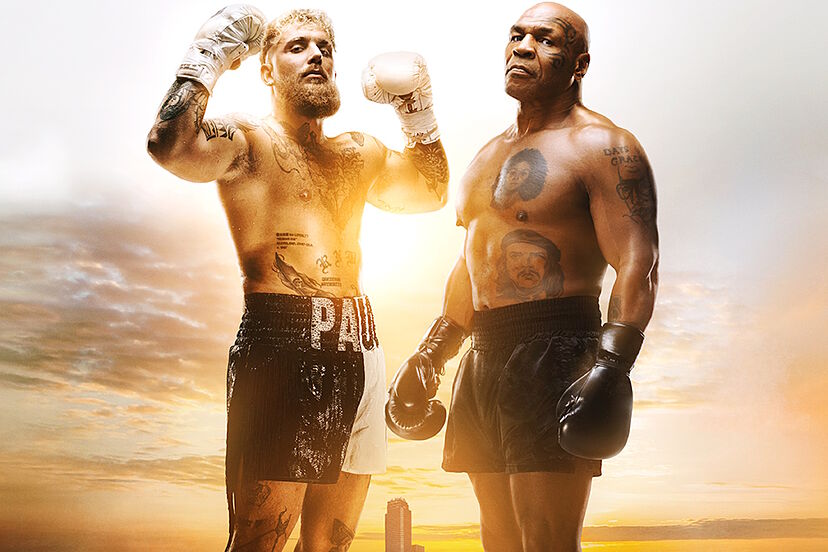
When the final bell rang, the judges declared the fight a split draw, sparking immediate reactions from fans and analysts alike. Tyson’s supporters argued that his dominant early performance should have earned him the win, while Paul’s fans highlighted his ability to withstand Tyson’s onslaught and finish strong.
Critics labeled the decision as a “safe outcome,” suggesting it served to protect both fighters’ marketability for future events. Nevertheless, the draw did little to dampen the excitement surrounding the fight, as both men walked away with enhanced legacies in their respective domains.
The Business of Boxing: A Shift in Focus
The Tyson-Paul showdown wasn’t just about boxing—it was a global entertainment event. With over 80,000 fans in attendance at the AT&T Stadium and millions more tuning in via Netflix, the fight demonstrated the sport’s capacity to transcend traditional boundaries. Celebrity bouts, though often dismissed by purists, have undeniably brought new attention to boxing.
For Tyson, the fight was another chapter in his post-retirement career, where he’s embraced exhibition matches as a way to stay connected to the sport while entertaining fans. For Paul, the event solidified his role as a disruptor in boxing, one who has successfully bridged the gap between social media stardom and athletic legitimacy.
Tyson and Paul: What’s Next?
Both fighters hinted at their future plans during post-fight interviews. Tyson, reflecting on his performance, expressed interest in more exhibition matches against other legends or rising stars. His goal remains to inspire fans and keep the spirit of boxing alive.
Jake Paul, ever the promoter, teased potential matchups with other big names in combat sports, including mixed martial artists and professional boxers. His ultimate aim, he said, is to continue proving doubters wrong while generating record-breaking events.
Historic Co-Main Event
The night also featured another major milestone for boxing: the long-awaited rematch between Katie Taylor and Amanda Serrano. The two fighters, who made history in 2022 as the first women to headline Madison Square Garden, delivered another electrifying performance. Taylor successfully defended her undisputed super lightweight title in a close decision, further cementing her legacy as one of the sport’s greats.
The inclusion of Taylor vs. Serrano 2 as the co-main event elevated the entire fight card, highlighting the growing recognition and respect for women’s boxing on the global stage.
Reactions from the Boxing World
Reactions to the Tyson-Paul fight have been mixed. Traditionalists criticized the event as a “spectacle” that detracts from the sport’s credibility, pointing to the lack of official sanctioning and the celebrity-driven marketing. However, others argue that such events are necessary to keep boxing relevant in a competitive sports landscape dominated by MMA and other entertainment options.
Prominent figures in the boxing world, including promoter Eddie Hearn, praised the fight for its ability to attract younger audiences and generate record-breaking revenues. “Love it or hate it, you can’t ignore the impact these events have on the sport,” Hearn commented.
Broader Implications
The fight between Tyson and Paul underscores a larger shift in the sports industry, where entertainment value often takes precedence over traditional competition. By embracing this trend, boxing has managed to capture a new demographic, ensuring its survival and growth in an era of evolving media consumption.
From a business perspective, the success of the event highlights the power of streaming platforms like Netflix to redefine how live sports are consumed. The fight’s global reach and accessibility have set a new benchmark for future pay-per-view-style events.
Conclusion
The Tyson-Paul fight may not have been a purist’s dream, but it was undeniably a historic moment for boxing. It bridged generations, captivated audiences, and showcased the sport’s ability to evolve. While debates about its legitimacy will continue, one thing is clear: events like this are reshaping the future of boxing, bringing it to new heights of popularity and profitability.
For more insights into this groundbreaking event, visit AT&T Stadium’s event page or Most Valuable Promotions.