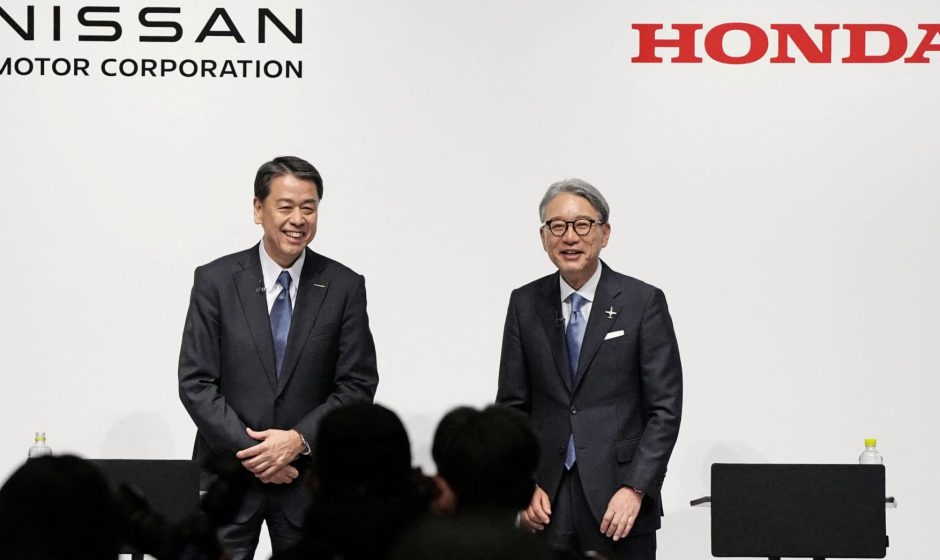

The global automotive industry is undergoing a seismic shift, driven by the rapid rise of Chinese carmakers. One of the most significant developments is the potential Honda-Nissan merger, a strategic response to the growing dominance of Chinese electric vehicles (EVs). This article delves into the challenges, opportunities, and strategies surrounding this pivotal moment.
The Rise of Chinese Carmakers
China’s automotive market has become a powerhouse, reshaping the global landscape. Here are the key trends fueling this transformation:
- Electric and Hybrid Domination: Over 50% of all new cars sold in China are now fully electric vehicles (EVs) or plug-in hybrids.
- Domestic Brand Preference: Three out of five Chinese consumers now choose domestic brands—a record high.
- Global Expansion: Chinese passenger-car exports skyrocketed fivefold from 2020 to 2023, reaching 4.1 million vehicles.
These shifts parallel China’s broader impact on global economics and politics. Historically, foreign automakers dominated the Chinese market, but domestic players like BYD are rewriting the rules.
BYD: A Game Changer
BYD leads China’s automotive surge, offering affordable plug-in hybrids like the Qin Plus, priced as low as $7,000 after subsidies. The company is expanding its footprint with factories in Thailand, Hungary, and Brazil, aiming to capture markets in Europe, Southeast Asia, and Latin America.
Why Honda and Nissan Are Joining Forces
The proposed Honda-Nissan merger seeks to combine resources in EV development, autonomous driving, and intelligent vehicle technologies to counter Chinese competitors. Together, they aim to secure the No. 3 spot in global vehicle sales, trailing only Toyota and Volkswagen.
However, challenges persist. Jin Tang, a senior researcher at Mizuho Bank, cautions, “Without significant breakthroughs in EV or smart-vehicle technology, the merger alone won’t be enough to compete in key markets.”
Declining Sales and Mounting Pressure
Honda and Nissan once relied on China for over a third of their global vehicle sales. Today, those numbers have halved. Nissan’s struggles extend beyond China, with weak results in the U.S. leading to job cuts and a 20% reduction in global production capacity.
Investor Interest and Potential Bidders
The merger talks have sparked investor interest, with Nissan shares soaring 23.7% in recent trading. Taiwan’s Foxconn, known for manufacturing Apple’s iPhone, has reportedly shown interest in acquiring Nissan’s manufacturing and design assets.
Challenges of a Honda-Nissan Merger
While collaboration offers opportunities, it also presents obstacles:
- Cultural Clashes: Aligning corporate cultures between Honda and Nissan could prove difficult.
- Overlapping Portfolios: Both brands compete in similar segments, such as SUVs and sedans.
- Market Strategy: Deciding whether to recover market share or consolidate around smaller, profitable markets remains a key dilemma.
Volkswagen’s Strategy in China
As Honda and Nissan strategize, Volkswagen is doubling down on its investments in China. Despite painful cost-cutting measures in Europe, VW is leveraging local Chinese suppliers to reduce expenses and speed up development. Additionally, billions are being invested in partnerships with Chinese firms to access cutting-edge technology.
The Road Ahead
The Honda-Nissan merger reflects the urgent need for traditional automakers to adapt to the new reality shaped by Chinese dominance in EVs. Whether through mergers, investments, or innovation, the global automotive industry must evolve to stay competitive in this electrified era.
What are your thoughts on the Honda-Nissan merger? Share your insights in the comments below!