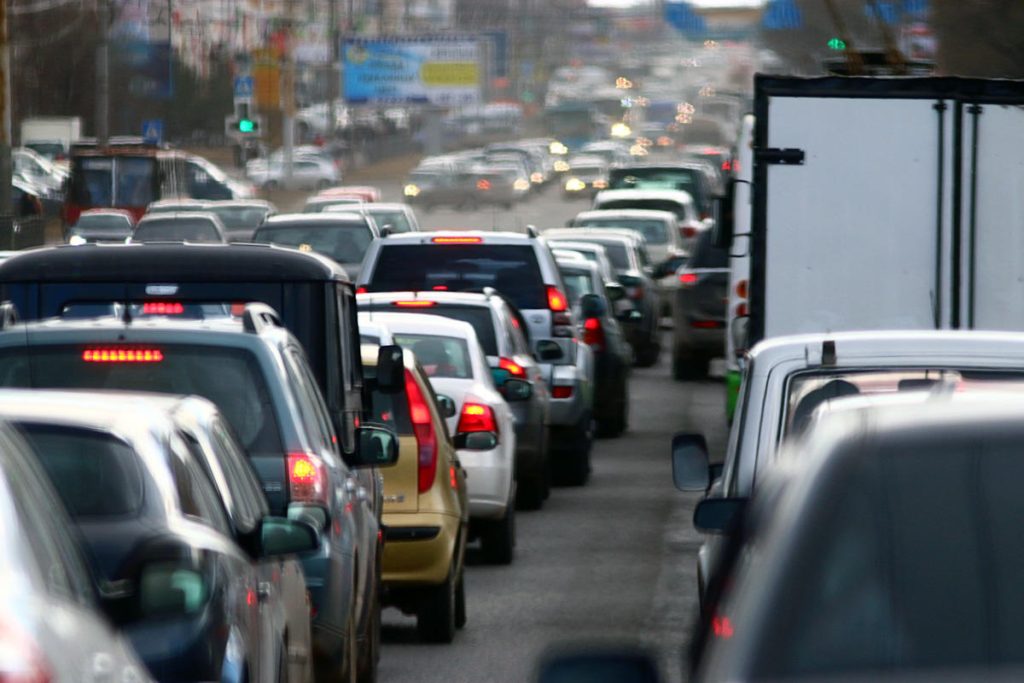
Imagine spending an hour every day stuck in your car or squeezed into a packed bus during rush hour, both on your way to and from work. It may feel like a normal part of life, but it actually takes a toll on your well-being. Traffic isn’t just an annoyance—it slowly takes away your time, energy, and productivity without you even noticing.. Traffic congestion is more than just an everyday inconvenience—it is a powerful force that shapes economies in both direct and indirect ways. From lost work hours and increased fuel consumption to delayed business operations and rising transportation costs, the effects of heavy traffic ripple across entire industries
Time Lost Is Money Lost
When people spend hours in traffic, they lose valuable time that could be used for work or personal activities. Many businesses also suffer because employees arrive late, and deliveries take longer. This delay increases costs for companies. Fuel prices in Lebanon are high, and the more time cars spend stuck in traffic, the more money people waste on fuel.
Stress and Health Problems
Sitting in traffic for hours every day makes people stressed and tired. It raises stress hormones, leading to anxiety, frustration, and even health problems like high blood pressure. Many workers arrive at their jobs already exhausted, which makes them less productive. Over time, this stress can cause serious health issues, increasing medical costs.
Transportation and Supply Chains
Traffic jams slow down the delivery of raw materials, products, and services. These delays can cause shortages and make it harder for businesses to run smoothly. Companies end up spending more money because of the delays, and they often raise prices to cover these extra costs. In the end, customers have to pay more for goods and services
Decreased Property Values and Investment
Areas with heavy traffic often see property values drop because people prefer not to live or work in such places. The noise, pollution, and long hours wasted in traffic drive away potential residents and investors. This makes the area less attractive for new projects, which slows down local economic growth. Businesses may also avoid these congested areas, reducing job opportunities and hindering overall development
To solve Lebanon’s traffic problems, the country needs a better public transport system, like trains and organized bus routes. Businesses could help by allowing flexible work hours or remote work to reduce traffic during rush hours. The government should focus on improving roads and traffic rules to make travel smoother and faster. We hope the new cabinet members and president will take action to make changes happen and improve daily life for everyone.