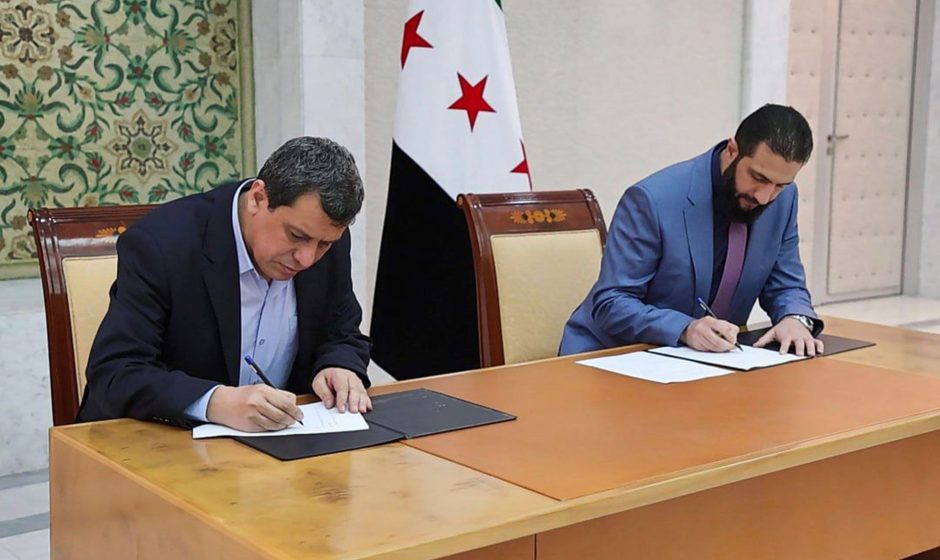

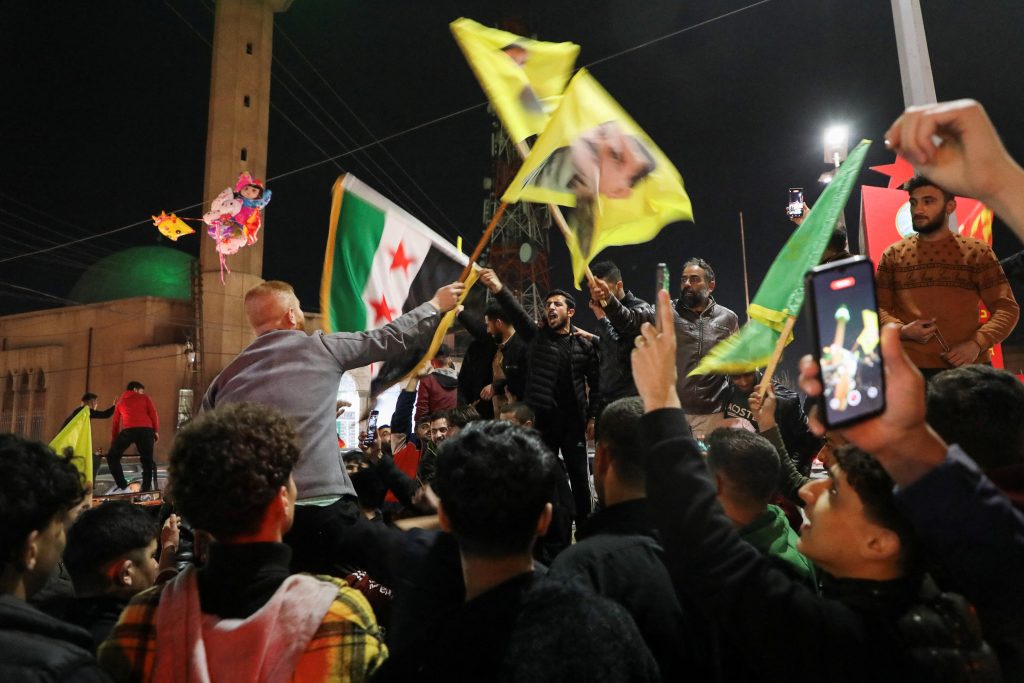
Syria has signed a new deal that will bring important areas, such as border crossings with Iraq and Turkey, airports, and oil fields in the northeast, under the control of the central government by the end of the year. The agreement also includes a ceasefire and the merging of the Syrian Democratic Forces (SDF) into the Syrian army, effectively bringing most of the nation under the government’s authority.
Syrian Kurds will gain constitutional rights, including the ability to teach and use their language, which had been banned for decades. Many displaced Kurdish families will have the chance to return to their homes. Additionally, the agreement ensures that all Syrians, regardless of their religion or ethnicity, can participate in the political process.
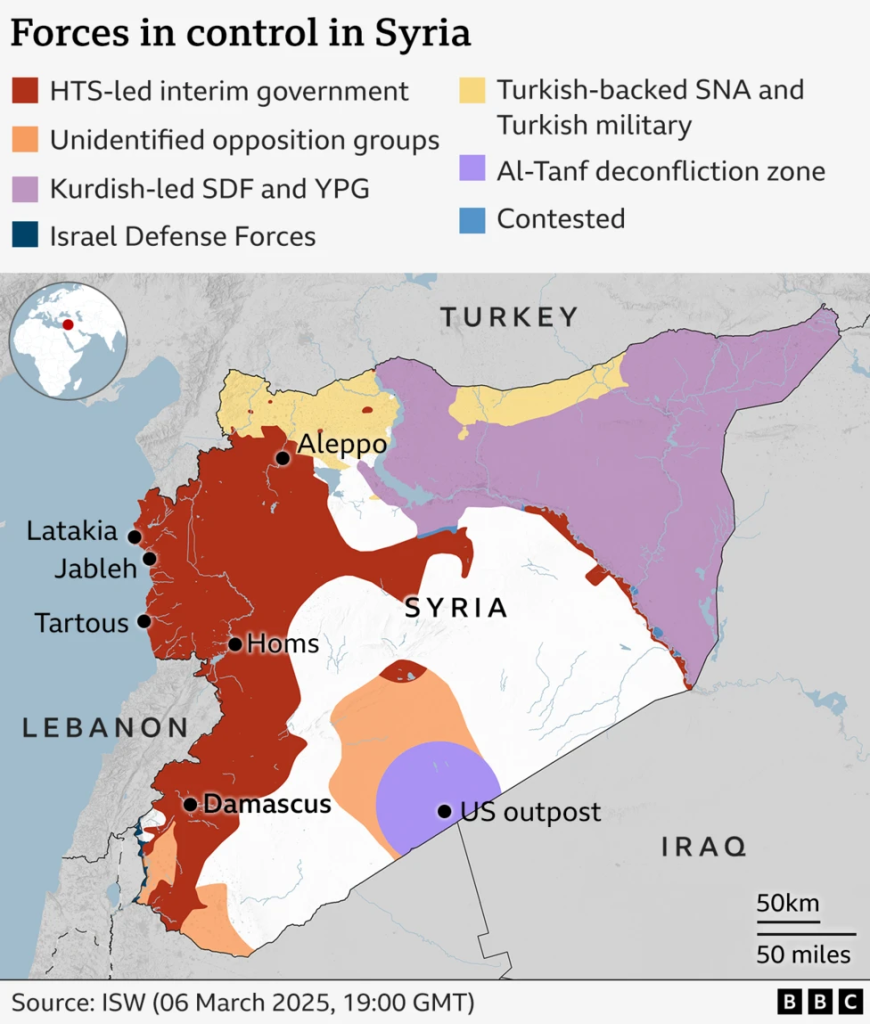
Despite this progress, Syria’s government still faces challenges in uniting the country. Reaching agreements with minority groups, such as the Druze in the south, remains a priority. Recent clashes in coastal regions have highlighted ongoing tensions, with a surprise attack by Alawite gunmen sparking widespread fighting. The government, however, recently declared the end of a military operation against pro-Assad insurgents, signaling a step toward stability.