
The Hook in Our Pockets
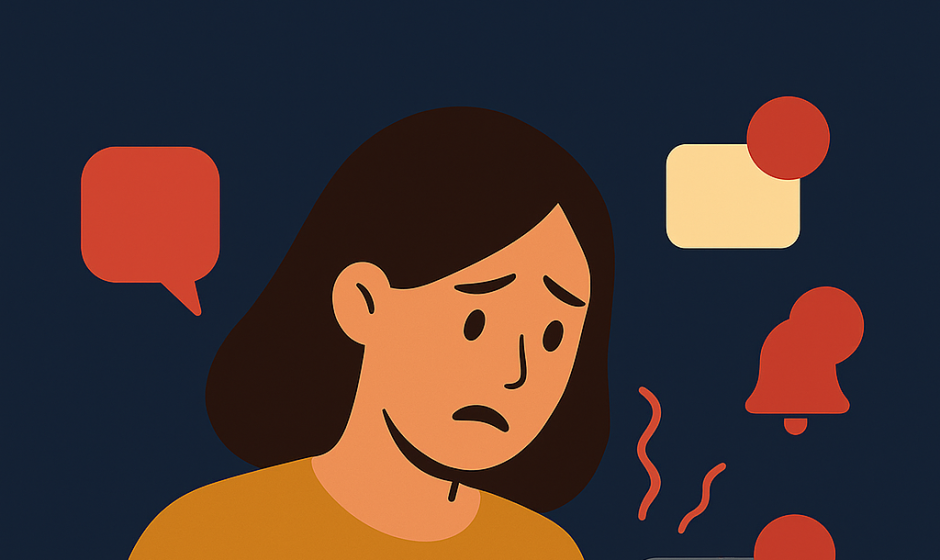
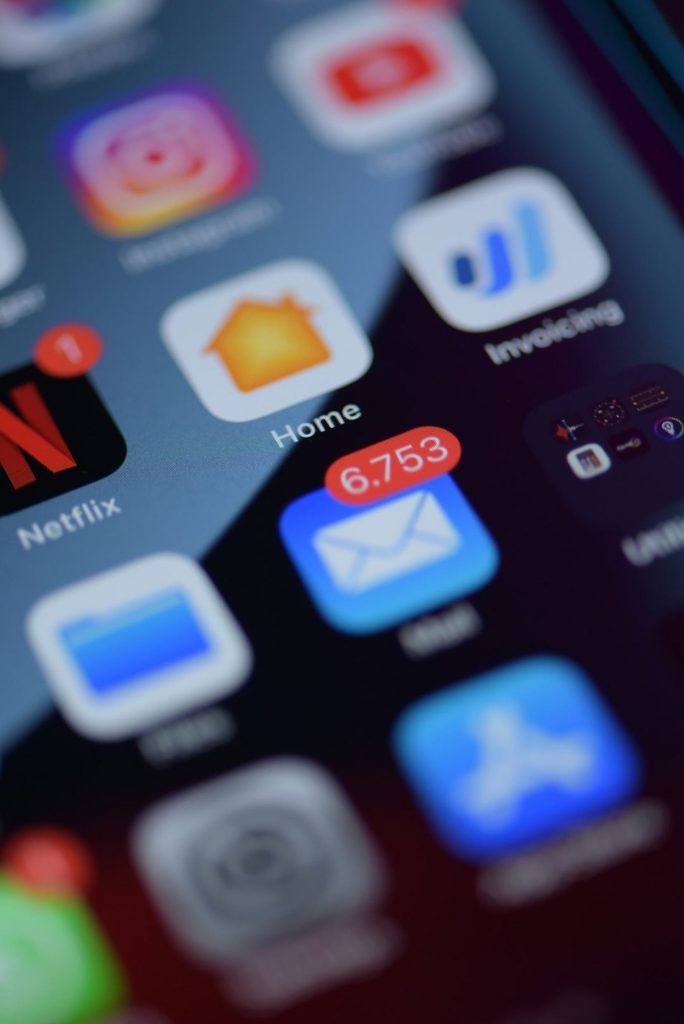
It starts with a tiny sound, a vibration, or a glowing dot on the screen. Harmless, right? Yet somehow, that one notification feels urgent and almost impossible to resist. We drop conversations, lose focus, even interrupt meals or sleep But why?
The Science Behind the Urge
Social platforms are not just communication tools; they are psychological machines. Each notification is designed to create uncertainty, Who texted me? What did I miss? That unpredictability releases dopamine, the brain’s “anticipation” chemical. It’s the same system triggered by slot machines, which explains why a single ping can pull us in like a magnet. FOMO aka the fear of missing out.
The Illusion of Connection
We chase notifications because they promise connection. A like means validation, a message means attention. But the more we check, the more we realize we’re often left scrolling endlessly, not truly connecting. Instead of feeling closer, we often feel lonelier.
Connected and Alone
This is the paradox of our digital age: we’re always connected, yet increasingly alone. Platforms feed on our attention, while we feed on the hope of being seen. The cycle repeats, and each notification becomes a tiny hook pulling us deeper.
Rethinking the System
The real question isn’t “How do I stop checking my phone?” but “Why are systems designed this way in the first place?” Imagine platforms that respect our attention instead of hijacking it
tools built to serve us, not exploit us. That’s the future we should demand.
source:
Neurophysiological research shows that smartphone notifications slow reaction times and disrupt cognitive control and heavy smartphone users show reduced attentional engagement, suggesting negatively affected executive functions PMC