
Coffee: A Choice or a Chain?
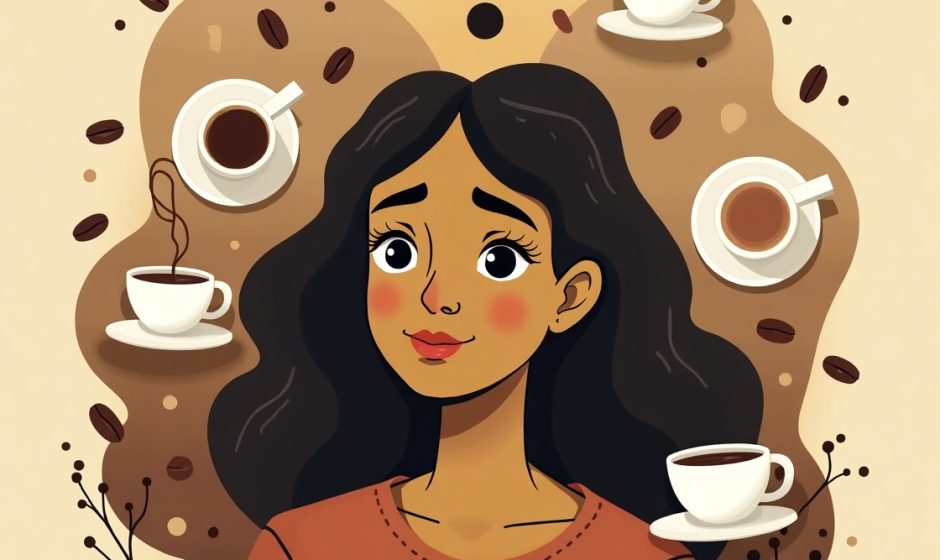
Every morning, millions of us reach for coffee before we reach for water. It’s not just a drink; it’s a ritual, a symbol of alertness, even a badge of adulthood. But here’s the twist: are we in control of coffee, or has coffee taken control of us?
The Rush and the Dependence
Coffee delivers caffeine, the world’s most widely used stimulant. It sharpens focus, wakes us up, and fuels productivity. But with every boost comes a crash. Many of us feel headaches, mood swings, or even irritability when we skip our daily cup. That’s where the question hits hard: are we enjoying coffee, or trapped in its cycle?
Does Coffee Hydrate Us?
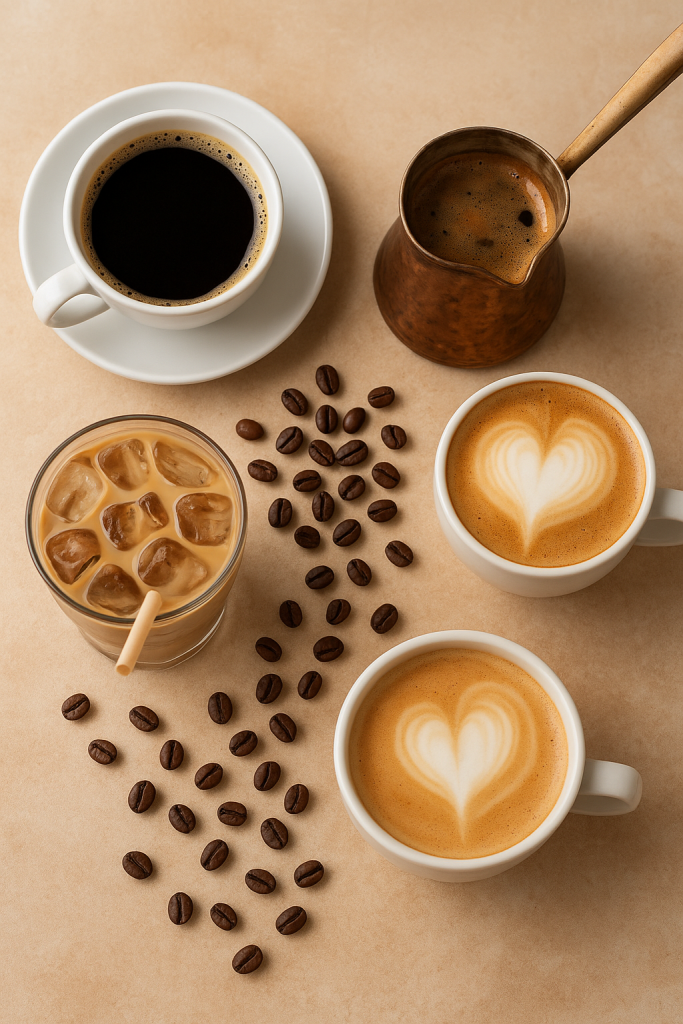
A popular debate is whether coffee counts as hydration. Technically, coffee is made of water, but the caffeine it contains is a mild diuretic meaning it can make us lose fluids faster. So while drinking a latte, iced coffee, or even Turkish coffee does give us liquid intake, it’s not the same as drinking water. Overreliance on coffee for “hydration” is misleading it wakes the brain but doesn’t quench the body the way water does.
Coffee in All Its Shapes
From the strong intensity of Turkish coffee to the sweet comfort of a latte or the refreshing kick of an iced brew, coffee adapts to our moods and cultures. It’s more than a drink it’s identity, social bonding, and sometimes even survival fuel in stressful workdays. Yet, do we savor it freely, or has it become a silent master of our time and energy?
Iced Coffee & Women: A Hidden Debate
Lately, iced coffee has become a lifestyle trend, especially among young women. But does overconsumption carry risks? Some studies suggest that excessive iced coffee with added sugar, syrups, and whipped cream may contribute to hormonal imbalances, weight fluctuations, and even worsen anxiety symptoms due to high caffeine intake. On the other hand, others argue that when consumed moderately (without the sugar overload), iced coffee is no more harmful than a hot cup, and can even be refreshing in hot climates. The real issue is not iced coffee itself, but the extra ingredients and the frequency. For women, balance matters more than the trend.
Coffee and the Planet: A Future at Risk
Behind every cup lies a bigger question: will coffee itself survive us? Scientists warn that climate change, deforestation, and unsustainable farming are pushing coffee plants especially Arabica toward possible extinction by the end of the century. Rising global demand only makes it worse: overconsumption means more land cleared, more water wasted, and more pressure on vulnerable ecosystems. In other words, as much as coffee consumes our daily lives, our unchecked consumption may be consuming coffee’s very future.
At the end of the day, coffee itself isn’t the enemy it’s our relationship with it. If we can enjoy it without dependence, coffee is a companion. If not, then maybe it’s coffee that consumes us.