
Sudan continues to face one of the most severe displacement crises in its modern history, with more than 8.6 million people still living away from their homes despite a growing number of returns to areas previously affected by the war.
The latest update from the International Organization for Migration’s Displacement Tracking Matrix shows that 8,622,801 people remain internally displaced across Sudan, while 4,928,923 people have returned to their areas of origin.
The figures, published in the eighth displacement and return update, highlight a complex and constantly shifting humanitarian situation rather than a clear path toward stability. While returns have increased in some parts of the country, fresh displacement continues in conflict-hit areas, particularly in Kordofan, Blue Nile and Darfur.
Declining Numbers, but No End to the Crisis
Compared with the previous update, the number of internally displaced people fell by just over 62,000, representing a decline of less than one percent. During the same period, the number of returnees increased by nearly 280,000 people, or approximately six percent.
Since the end of March 2026, the number of people returning home has risen by around 935,000, while the internally displaced population has declined by roughly 313,000.
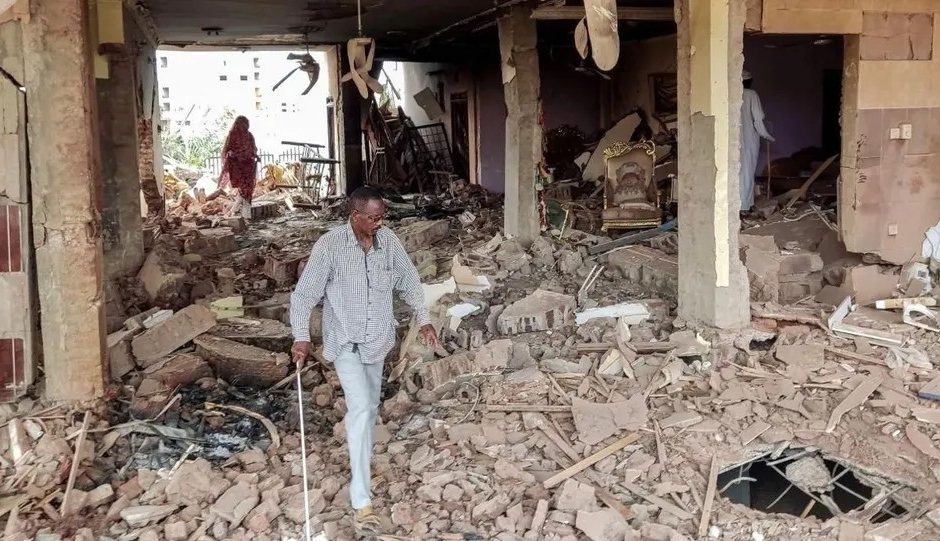
However, the reduction in displacement figures does not necessarily mean that affected families have regained stable lives. People who return to their hometowns are classified as returnees even if they find their homes destroyed or their communities without access to water, electricity, healthcare or other essential services.
Many families also remain at risk of being displaced again if fighting resumes or if they are unable to restore their livelihoods.
Returns to Devastated Communities
Sudan’s displacement crisis reached its peak in January 2025, when the International Organization for Migration recorded around 11.58 million internally displaced people.
Although the current number has fallen by approximately three million people, or around 26 percent, it remains more than double the estimated 3.8 million people who were internally displaced before the war began in April 2023.
Returns have been concentrated in areas where the Sudanese army has regained control of major cities, including Khartoum, Gezira and Sennar. Yet many of these communities have suffered extensive destruction.
Previous IOM data showed that around 60 percent of returning households found their homes damaged. Cities and towns are also struggling with damaged electricity, water and sanitation networks, weakened hospitals and schools, unexploded ordnance and rising prices.
For some families, returning home is driven by improved security. For others, it is a necessity caused by depleted savings, unaffordable rents in displacement areas or reduced humanitarian assistance.
Without large-scale reconstruction and livelihood support, humanitarian agencies warn that returns could create new forms of displacement within damaged cities and communities.
New Waves of Displacement Continue
While thousands of families return to some areas, fighting elsewhere continues to force people from their homes.
Recent clashes in North Kordofan, including around Umm Arda and nearby areas, displaced more than 4,200 people, according to UN estimates. Military operations have also disrupted humanitarian and healthcare services in some locations amid a cholera outbreak.
In the Blue Nile region, renewed fighting in Qeisan, Kurmuk and surrounding areas has forced thousands to flee toward Damazine, Roseires and other towns. Many displaced families have sought shelter in overcrowded schools and temporary centers with limited food, accommodation and medical services.
Meanwhile, population movements continue across Darfur, where insecurity, changing military control and deteriorating living conditions have forced more people to flee. Areas such as Tawila continue to receive large numbers of displaced people despite severely strained humanitarian and healthcare capacities.
The situation has created two opposing population movements across Sudan: returns to areas where fighting has subsided and new displacement from regions where the conflict continues to expand.
Children Bear the Heaviest Burden
Children remain among the most vulnerable groups affected by Sudan’s humanitarian crisis. According to IOM demographic patterns, around 55 percent of internally displaced people and nearly half of returnees are under the age of 18.
Millions of children remain out of school or have returned to areas where educational facilities have been destroyed or converted into shelters.
They also face heightened risks of malnutrition, disease, violence, exploitation, family separation and the psychological trauma caused by repeated displacement and exposure to conflict.
The crisis is further compounded by a severe shortage of humanitarian funding. Sudan’s humanitarian response plan has received only around 41 percent of the funding required, raising concerns over potential cuts to food, healthcare, water and protection services.
A Return Home Does Not Mean a Return to Stability
The IOM stresses that displacement and return figures remain estimates and are subject to change due to ongoing fighting, limited access to certain areas and the rapid movement of populations.
Being registered as a returnee also does not necessarily mean that a person has returned to a safe or sustainable living environment.
More than 8.6 million people remain displaced inside Sudan, while nearly five million others are attempting to rebuild their lives in communities devastated by years of war.
The growing number of returns offers a limited sign of recovery in some areas, but the continuing displacement in Kordofan, Blue Nile and Darfur underscores the absence of lasting stability.
Without a comprehensive end to the conflict, safe and voluntary returns, major reconstruction efforts and the restoration of essential services and livelihoods, millions of Sudanese families will remain caught between displacement they can no longer endure and homes that are not yet ready to sustain their return.