


General Catalyst’s Strategic Investment in Saudi Fintech Startup Lean Technologies
Saudi Arabia’s fintech landscape has received a significant boost with the recent Series B funding of Lean Technologies, a financial infrastructure provider enabling secure data sharing across bank accounts. This marks the first investment in Saudi Arabia for venture capital giant General Catalyst, alongside prominent investors like Stanley Druckenmiller and Bain Capital Ventures, highlighting Saudi Arabia’s accelerating role in fintech and its potential to become a regional hub for financial innovation.

Why Saudi Arabia’s Fintech Sector Is Attracting Global Capital
According to a recent McKinsey report, the fintech industry in the Middle East and North Africa (MENA) is expected to soar, potentially reaching a value of $4.5 billion by 2025. Saudi Arabia, one of the largest economies in the region, has increasingly drawn the interest of foreign capital due to its proactive approach to developing a robust fintech ecosystem. Vision 2030, the Kingdom’s economic diversification initiative, is central to this growth, aiming to reduce dependency on oil revenue by fostering new sectors, including fintech, digital services, and e-commerce.
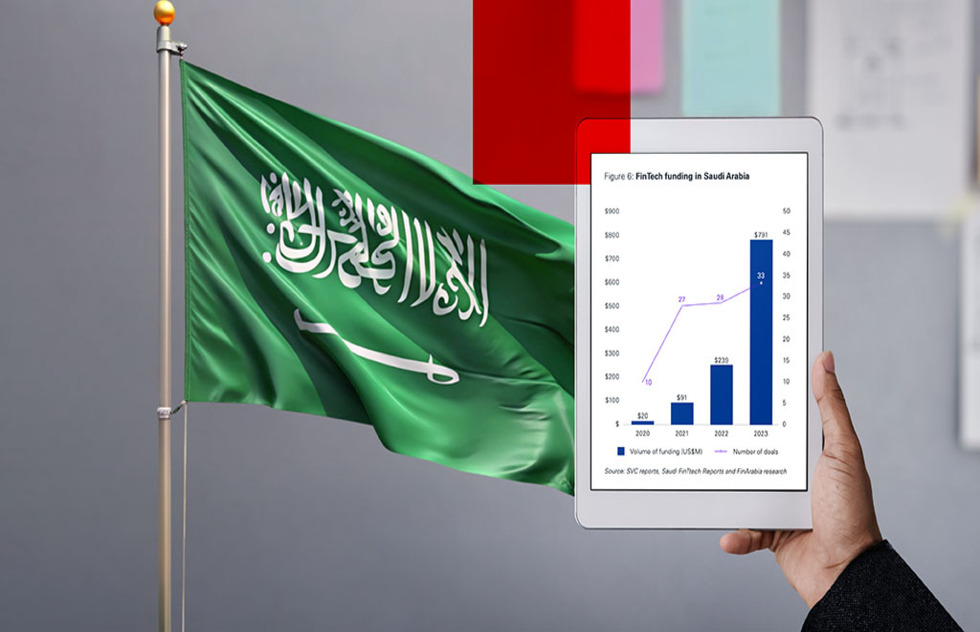
Saudi Arabia’s fintech startups have raised over $1.84 billion in venture capital since 2018, with a record-breaking $791 million secured in 2023 alone—a 231% increase from the previous year. This influx of capital not only supports local employment but also contributes to knowledge transfer, creating a more dynamic financial services sector. As part of the Saudi Central Bank’s regulatory sandbox, Lean Technologies has integrated data solutions that support various industries within Saudi Arabia, including insurance, lending, and e-commerce.
Key Factors Driving Saudi Arabia’s Fintech Growth
Saudi Arabia’s fintech expansion can be attributed to several critical factors:
- Government Support: Vision 2030’s objectives emphasize developing the digital economy, with fintech playing a pivotal role. The Kingdom’s General Authority for Small and Medium Enterprises (Monsha’a) reports that the number of active fintech startups has risen to 216 since the launch of the Fintech Saudi initiative in 2018.
- Regulatory Framework: The Saudi Central Bank has facilitated a favorable environment for fintech innovation by introducing regulatory sandboxes for new technologies.
- Foreign Investment: With firms like General Catalyst, Bain Capital Ventures, and Duquesne Family Office making their first Saudi investments, the Kingdom is emerging as a promising market for international fintech investors.
The MENA Fintech Market—Challenges and Opportunities
The Middle East and North Africa fintech industry, currently valued at $1.5 billion, has room for considerable growth. While fintech revenue accounts for only 1% of banking revenues in MENA, it stands at 4-5% in more mature markets like the U.S. and U.K. This gap signals untapped potential in the region.
Lean Technologies aims to leverage this opportunity by developing the “picks and shovels” of the industry, providing the infrastructure and tools needed for innovative fintech companies to thrive. From secure data-sharing solutions to streamlined A2A payments, Lean’s technology supports the broader digital transformation occurring within Saudi Arabia and the wider MENA region.
Impact on Employment and Economic Development in Saudi Arabia
The Saudi fintech sector’s growth is creating jobs and fostering local talent. Fintech companies in Saudi Arabia currently employ over 6,500 people, a figure projected to increase with the Kingdom’s goal of establishing 525 new companies by 2030. This growth is significant for Saudi Arabia’s youth, who make up the majority of the population, and supports Vision 2030’s aim to diversify the economy and reduce unemployment rates.
Lean Technologies’ innovative data solutions align with these goals by supporting local businesses in various sectors, including insurance, lending, and digital marketplaces. The collaboration between foreign investors and Saudi fintech companies enhances the industry’s capacity for sustainable growth.
What This Investment Means for Saudi Arabia’s Future in Fintech
The involvement of influential investors like General Catalyst, Bain Capital, and Stanley Druckenmiller demonstrates growing confidence in Saudi Arabia’s fintech sector. For Saudi Arabia, these investments represent more than financial backing; they are an endorsement of the Kingdom’s ambitious economic transformation plans.
As fintech’s share of the economy increases, Lean Technologies is committed to driving innovation that aligns with Saudi Arabia’s strategic priorities. With the support of foreign capital and regulatory backing, Saudi Arabia’s fintech ecosystem is poised for exponential growth, attracting more investors and enhancing the Kingdom’s position as a fintech leader in the MENA region.
Key Takeaways for Investors and Industry Stakeholders
- High Potential: Saudi Arabia’s fintech sector has experienced a 231% growth in investments over the past year, with further growth expected under Vision 2030.
- Strategic Partnerships: Lean Technologies’ partnerships with local giants like Careem and e& highlight the sector’s expanding reach and potential.
- Long-Term Prospects: General Catalyst’s investment in Lean Technologies underscores a positive outlook for Saudi Arabia’s fintech industry, with significant room for revenue growth and market development.
Saudi Arabia’s fintech sector is at the brink of a transformative era, with substantial investments from global firms and strong support from the Kingdom’s Vision 2030 agenda. Lean Technologies’ recent Series B funding round, led by General Catalyst, is a testament to the Kingdom’s potential as a fintech hub, fostering an environment of innovation, collaboration, and growth for the next generation of financial technology.
Saudi Arabia’s fintech journey is just beginning, and as the sector matures, the Kingdom is likely to become a prominent player in the global fintech arena. With Lean Technologies at the forefront, Saudi Arabia is well on its way to achieving its vision of a diversified, knowledge-driven economy.