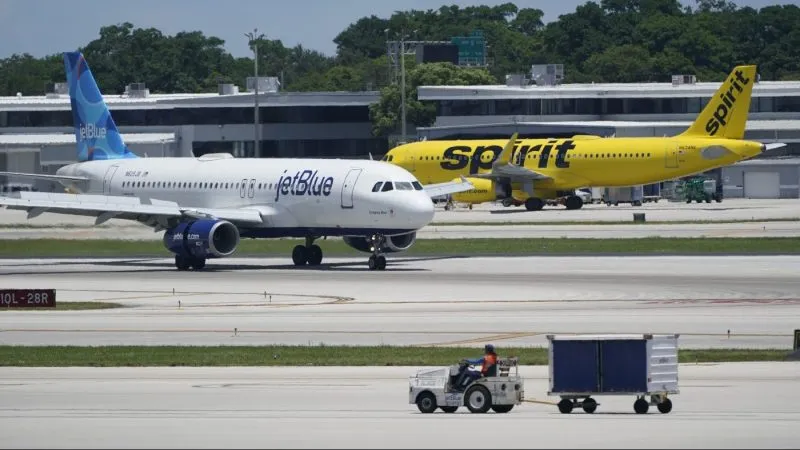

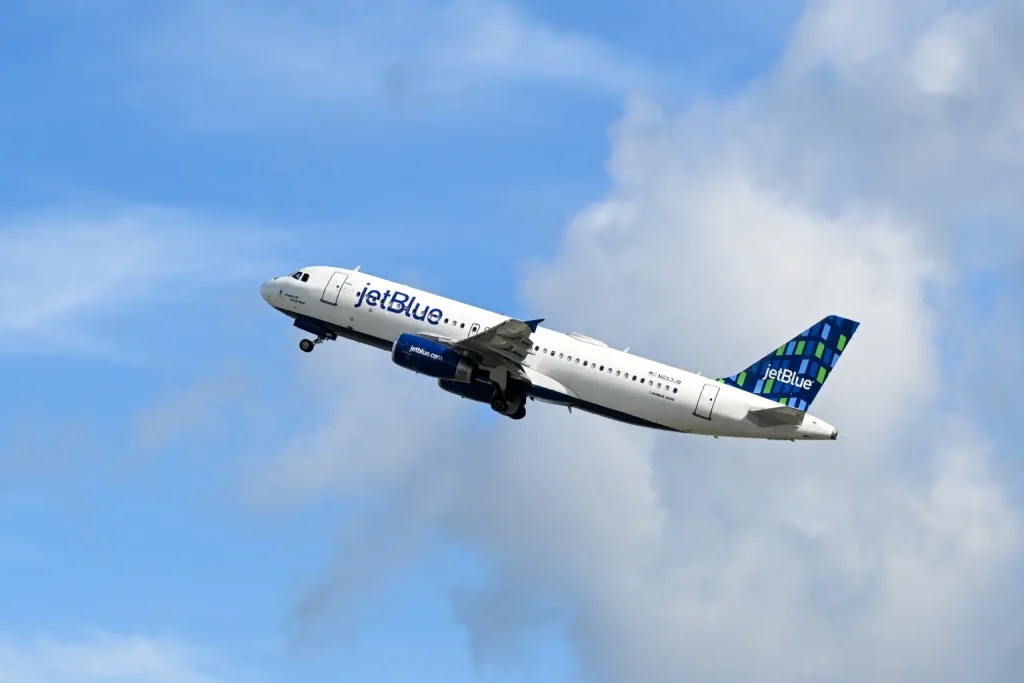
In an unprecedented move, the Federal Aviation Administration (FAA) has issued a 30-day ban on U.S. flights into Haiti after two commercial flights—operated by JetBlue and Spirit Airlines—were struck by gunfire. The events have underscored the critical need for air travel safety in high-risk regions, as U.S. airlines respond by halting services to protect passengers and crew. Here’s everything you need to know about this ongoing situation and how air travel safety measures are evolving in response to security challenges worldwide.
What Led to the FAA’s 30-Day Flight Ban?
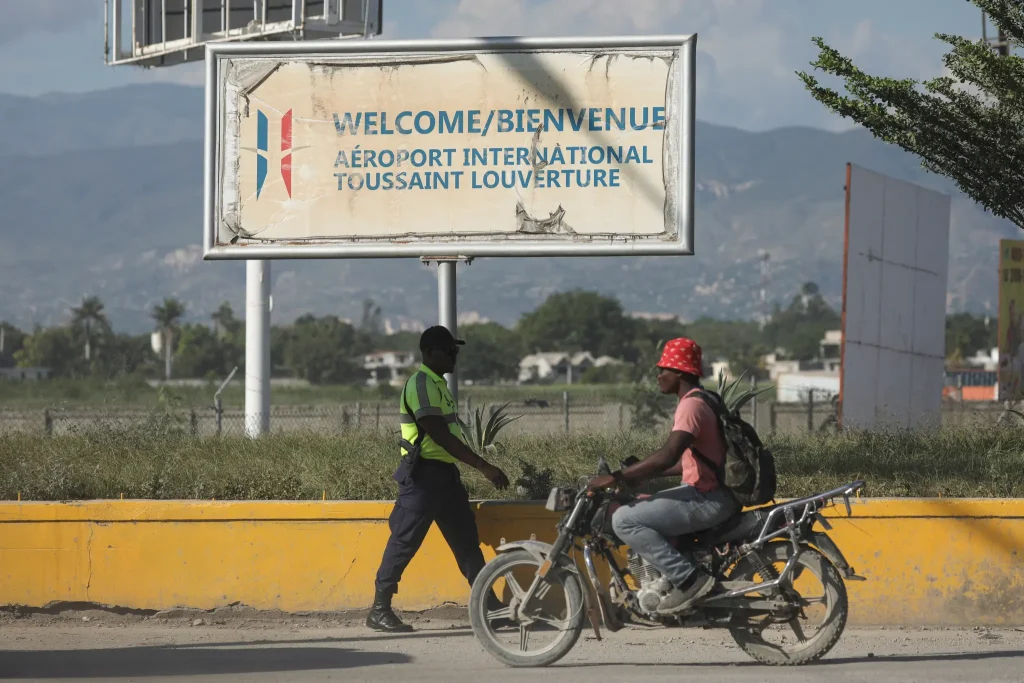
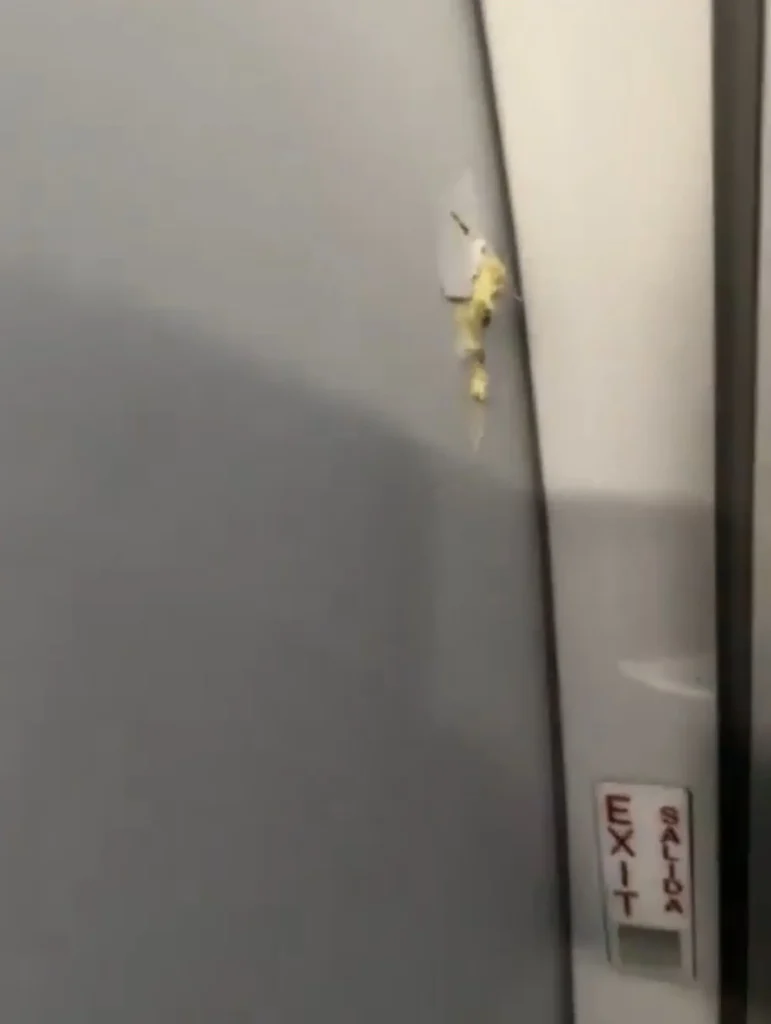
Recent incidents of gunfire targeting aircraft over Haiti prompted immediate action from the FAA. A JetBlue flight bound for New York’s JFK International Airport and a Spirit Airlines flight approaching Port-au-Prince’s Toussaint Louverture International Airport were hit by bullets. Fortunately, no passengers were harmed, though a Spirit Airlines flight attendant sustained minor injuries. The FAA’s decision aims to protect U.S. airlines and passengers from further risks amid ongoing violence in the area.
The FAA’s Notice to Air Mission (NOTAM) now restricts U.S. civil aviation operations in Haitian airspace below 10,000 feet, with exceptions only for emergency and U.S. government-approved flights. This temporary ban, announced on November 12, 2024, reflects increasing concerns about Haiti’s security environment as gang violence continues to escalate in the nation.
Implications for U.S. Airlines and Passengers
Impact on JetBlue and Spirit Airlines
JetBlue has suspended all flights to Haiti until at least December 2, while American Airlines has paused service until Thursday. Spirit Airlines, which canceled its flights between Fort Lauderdale and both Port-au-Prince and Cap-Haitien, is assessing the situation in coordination with federal authorities. Passengers on these routes should prepare for potential delays, cancellations, and rebookings as airlines work to ensure the safety of all on board.
Haitian-Owned Airlines’ Response
Haitian-owned Sunrise Airways, which operates flights between Miami International Airport and Haitian destinations, reported no direct impact on its operations. However, passengers may experience increased security protocols as airlines and authorities in the region adapt to the evolving security landscape.
Understanding the Security Context in Haiti
The latest FAA directive comes amid significant political turmoil and escalating gang violence in Haiti. Earlier this year, coordinated gang attacks closed airports across the country for nearly three months. The recent gunfire incidents targeting U.S. commercial flights highlight the security challenges facing Haiti, where armed groups have gained influence, challenging government authority and hindering economic stability.
Recent clashes between police and gang groups were further fueled by political changes, including the recent ousting of Prime Minister Garry Conille and the appointment of businessman Alix Didier Fils-Aime as his successor. These developments have contributed to a heightened risk environment in which violence often disrupts public infrastructure and transportation.
Air Travel Safety Tips for High-Risk Destinations
Flying to areas affected by conflict or instability requires additional safety considerations. If you’re planning to travel to or near regions with security advisories, here are some essential air travel safety tips:
- Stay Updated on Security Alerts
Before booking, check advisories from the U.S. State Department, the FAA, or international equivalents for the latest updates on travel risks. - Opt for Flexible Booking Options
When flying to high-risk areas, choose airlines with flexible change or cancellation policies. This allows you to adjust travel plans based on real-time security developments. - Monitor Your Airline’s Safety Updates
Stay informed through your airline’s communication channels, including text alerts, emails, and mobile apps, for timely updates on flight statuses or safety protocols. - Consider Emergency Preparedness
Research emergency procedures at your destination, including nearby consulates or embassies and medical facilities, so you know where to go in case of disruptions. - Travel with Insurance Covering Political Instability
Look for travel insurance that includes coverage for cancellations due to civil unrest or security risks. Some policies may also offer evacuation options, providing added peace of mind.
How Airlines and the FAA Ensure Air Travel Safety
Airlines and regulatory bodies like the FAA implement rigorous safety protocols to protect passengers in volatile areas. Here’s how these entities enhance air travel safety:
Enhanced Security Assessments
Before flights to high-risk regions, airlines perform extensive risk assessments, including real-time monitoring of geopolitical developments. Airlines, like JetBlue and Spirit, are in constant communication with the FAA to assess and adapt flight paths and operations.

Coordinated Efforts with Local Authorities
U.S. airlines collaborate with local security and airport officials to maintain safe conditions. The FAA also works closely with international aviation authorities to ensure that all safety standards are upheld globally.
Incident Response Protocols
In the rare event of an in-flight emergency, airlines and crew are trained to respond with precision. When the Spirit flight was hit by gunfire, protocols were followed to divert the plane to the nearest safe airport in the Dominican Republic, underscoring the importance of robust emergency planning.
Air Travel Safety in a Changing World
As global air travel resumes post-pandemic, regions impacted by political unrest, like Haiti, require heightened vigilance from both travelers and airlines. The FAA’s flight ban underscores the agency’s commitment to safeguarding passengers while responding to unpredictable security environments. Travelers heading to potentially volatile areas must prioritize their safety, stay informed, and adapt their plans as situations evolve.
Conclusion: Navigating the Complexities of Air Travel Safety
The recent incidents involving U.S. airlines in Haiti are a stark reminder of the unpredictable risks that can emerge in certain regions. The FAA’s 30-day ban on flights into Haiti reflects a cautious approach to protecting passengers and crew while local authorities work to address the security challenges posed by armed groups.
Airlines, the FAA, and international regulatory bodies are committed to maintaining high safety standards, especially in volatile regions. As a traveler, it’s essential to stay informed, flexible, and proactive in planning, especially when flying into regions with political instability. Share your thoughts in the comments—how do you think airlines and regulatory bodies can improve safety for travelers in conflict zones?