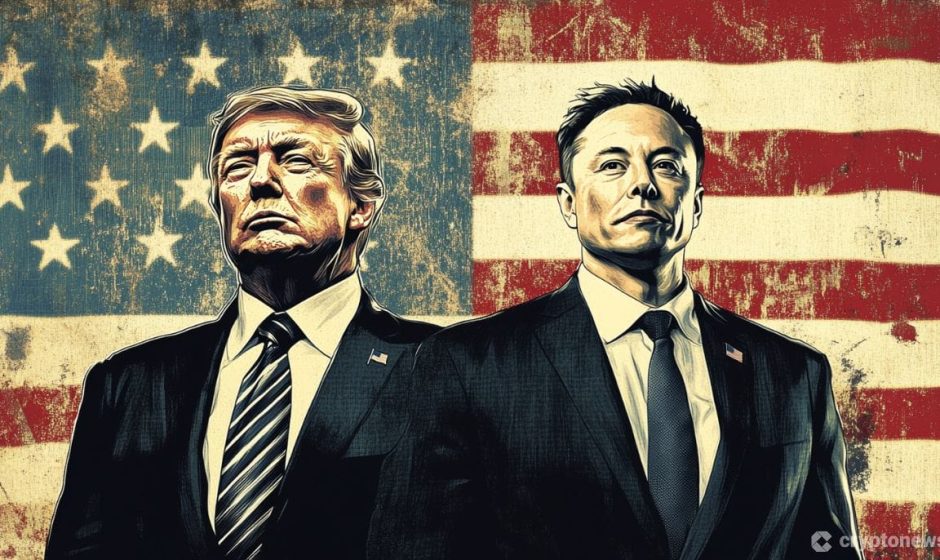

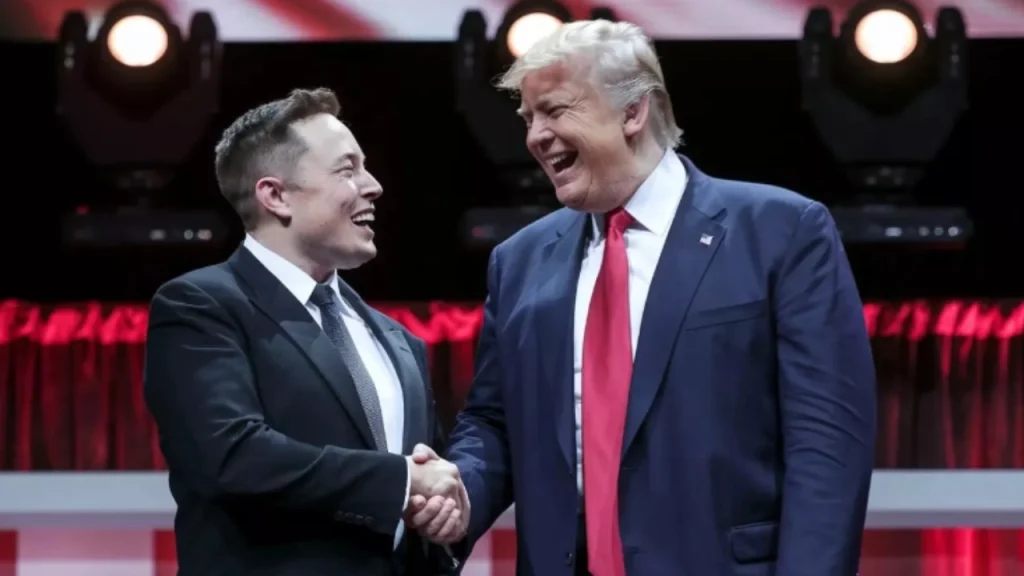
In an unprecedented move, President-elect Donald Trump has appointed tech magnate Elon Musk to spearhead the newly formed U.S. Department of Government Efficiency, or “DOGE,” alongside financial entrepreneur Vivek Ramaswamy. This announcement, made on Trump’s platform, Truth Social, signals sweeping changes aimed at reducing government bureaucracy and streamlining federal operations. However, the bold ambition to “cut waste, slash regulations, and reshape the government structure” has sparked significant debate. Could DOGE truly redefine American governance, or is it a risky venture inspired by corporate cutbacks?
Trump and Musk’s Bold Government Overhaul: What is DOGE?
The Department of Government Efficiency (DOGE) represents a fundamental shift in U.S. governmental policy. Tasked with evaluating and restructuring federal agencies, DOGE aims to cut down on excessive spending, reduce bureaucracy, and optimize processes. As Trump stated, this initiative is “essential to the ‘Save America’ Movement,” which seeks to rebuild trust and efficiency in public service.
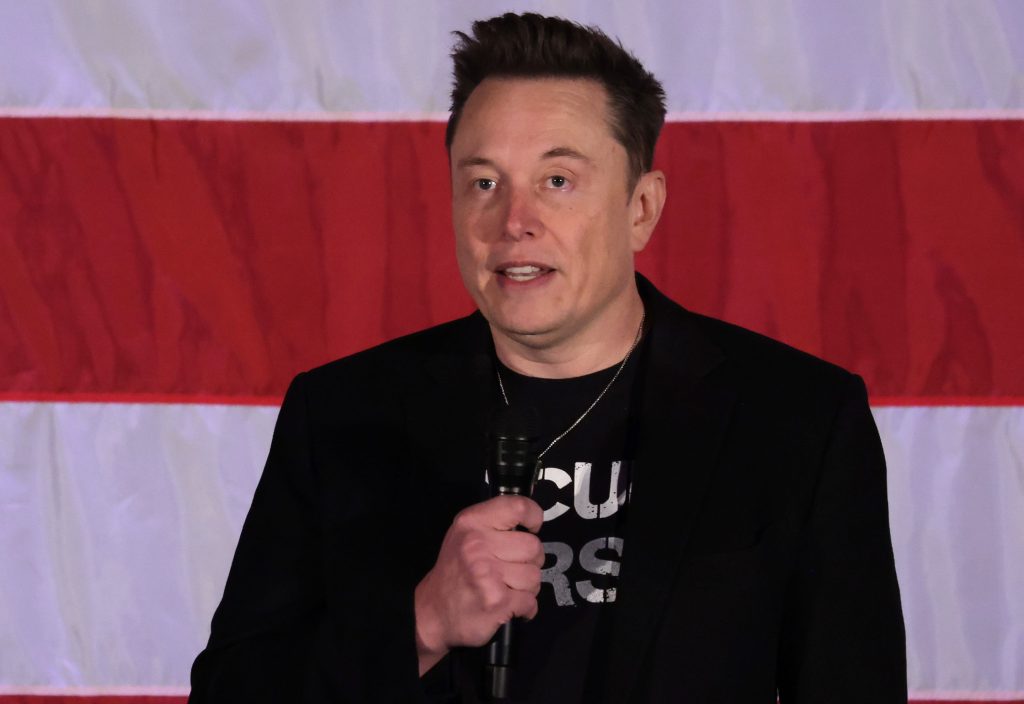
Trump’s choice of Elon Musk, known for his ruthless business efficiency and financial risk-taking, may seem unconventional. However, with Musk’s involvement, DOGE plans to drive large-scale federal reform, collaborating with the White House’s Office of Management and Budget to introduce an entrepreneurial approach to governance.
Musk and Ramaswamy’s Plan for Mass Layoffs
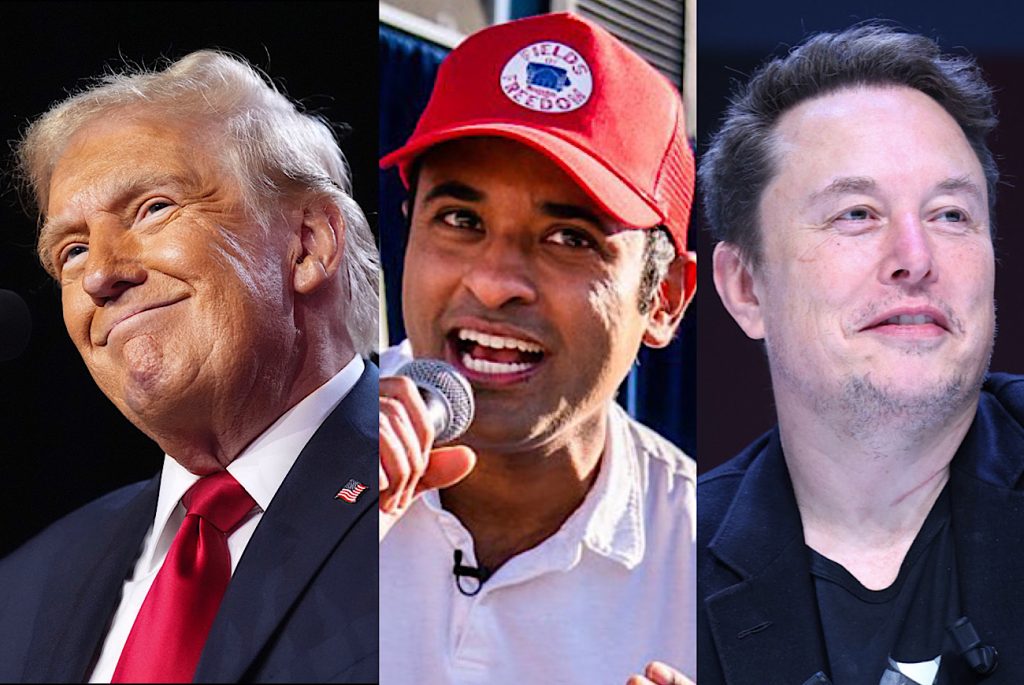
One of the most controversial aspects of the DOGE initiative involves extensive federal workforce reductions. Musk and Ramaswamy have both expressed ambitions to cut around 75% of civilian government jobs. In his recent statements, Ramaswamy detailed a vision for mass layoffs, beginning with the elimination of agencies like:
- The Federal Bureau of Investigations (FBI)
- The Bureau of Alcohol, Tobacco, Firearms, and Explosives
- The Nuclear Regulatory Commission
- The Department of Education
- The Department of Agriculture’s Food and Nutrition Service
Their approach reflects a corporate-style restructuring that may redefine traditional government roles, potentially impacting millions of jobs. However, critics argue that such drastic reductions could compromise essential government functions, raising concerns about long-term consequences.
A Track Record of “Efficiency Cuts” – Musk’s Twitter Overhaul
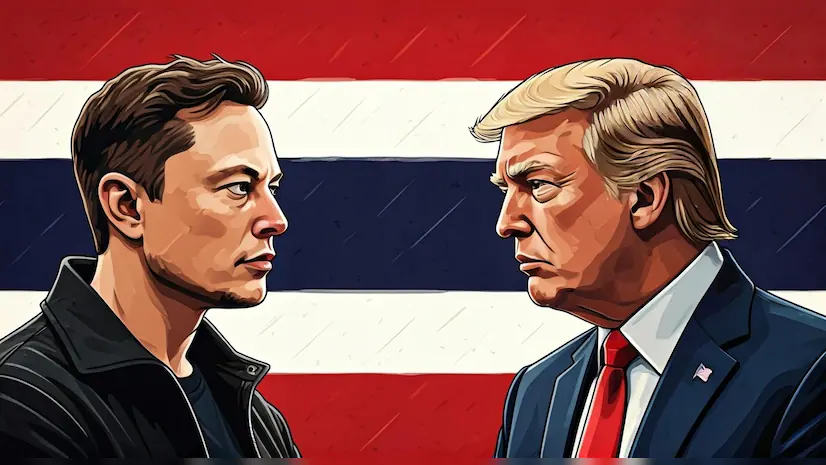
Musk’s history with cost-cutting at Twitter (now X) sheds light on his approach. After acquiring Twitter in 2022, he slashed nearly 90% of the company’s workforce in an effort to improve efficiency. However, this decision led to a cascade of issues, including plummeting valuation, advertiser loss, user abandonment, and lawsuits over unpaid severance. Critics now wonder if Musk’s penchant for aggressive layoffs will yield similar challenges when applied to the U.S. government.
Trump’s Regulatory Rollbacks: A Double-Edged Sword?
Trump’s past regulatory changes serve as a blueprint for his current agenda. His first term saw significant cuts to regulations, particularly in environmental, banking, and rail safety sectors. While proponents argue these rollbacks stimulated economic growth, studies indicate serious repercussions, including increased greenhouse gas emissions and higher mortality rates linked to reduced environmental protections.
DOGE’s mandate to streamline bureaucracy may pave the way for similar regulatory loosening, with both Trump and Musk aiming for “a smaller government, with more efficiency and less bureaucracy.”
The “DOGE” Name: A Hint of Musk’s Influence?
The department’s title — Department of Government Efficiency, or DOGE — nods to Musk’s favorite cryptocurrency, Dogecoin. Musk has openly promoted Dogecoin, even changing Twitter’s logo to the Doge meme briefly in 2023. The acronym may be more than a quirky choice, signaling Musk’s intent to leave his distinct mark on this new department.
In fact, Musk hinted at this playful influence, sharing an image of a DOGE logo featuring the iconic Shiba Inu dog. But is it fitting to name a serious governmental department after a meme, especially one with Musk’s history of unorthodox decision-making? Some see this as indicative of Musk’s bold vision, while others call it a sign of recklessness.
Government Reform or Government Gutting? The Risks of DOGE’s Mission
The ambitious agenda set for DOGE has raised significant concerns among political analysts and citizens alike. Here are some of the risks associated with Musk and Ramaswamy’s approach:
- Economic Impact: Reducing government jobs on such a scale could have wide-reaching effects on the U.S. economy, particularly in regions heavily reliant on federal employment.
- Operational Efficiency vs. Essential Services: While streamlining bureaucracy is a noble goal, overly aggressive cuts may disrupt essential services, affecting public safety, health, and welfare.
- Corporate Influence in Governance: Critics argue that Musk’s corporate background might prioritize profit over public service, introducing a business-oriented approach that may not suit all government sectors.
In sum, Trump, Musk, and Ramaswamy’s ambitious plan poses a high-stakes experiment, with supporters lauding it as a long-overdue reform, while skeptics warn of potential chaos in the public sector.
The Path Forward for DOGE: A Crowdsourced Government?
Ramaswamy has outlined an intriguing approach for DOGE: crowdsourcing input from American citizens to identify areas of waste, fraud, and abuse in government. This unique initiative could allow citizens to participate actively in the reform process, making the government more transparent and accountable.
However, this ambitious crowdsourcing plan also introduces potential pitfalls. Crowdsourced data may lack the nuanced understanding required for effective governance, and popular opinion does not always align with strategic policy needs. The effectiveness of such an approach will depend on how well it can balance public feedback with expert analysis.
Global Implications: A Signal of Government Change?
The DOGE initiative reflects a broader trend toward leaner, more efficient governments worldwide. Many nations are adopting tech-driven reforms and efficiency measures to improve transparency and reduce bureaucracy. Musk’s role as DOGE leader could position the U.S. as a global pioneer in tech-enabled governance.
However, the question remains: Will the U.S. government’s adoption of corporate restructuring methods yield a more effective, agile administration, or will it compromise essential services?
Final Thoughts: Can DOGE Really Drive Effective Change?
As DOGE gears up to reshape the U.S. government, Musk and Ramaswamy face formidable challenges. While DOGE’s vision of a smaller, more efficient government aligns with Trump’s deregulation legacy, the scale and speed of their planned cuts could strain essential operations. Moreover, Musk’s own track record with cost-cutting raises doubts about whether similar tactics can work within the complex landscape of U.S. federal agencies.
DOGE could mark a historic transformation in American governance or an overly ambitious experiment with unintended consequences. The coming years will reveal whether DOGE lives up to its promise, or if it becomes another cautionary tale of business strategies applied to government.