
Understanding China’s military strategy is a pressing challenge for global researchers and policymakers. With its expanding global footprint and rapid advancements in defense technology, China’s strategic intentions remain a topic of intrigue and concern. This comprehensive guide explores the complexities of China’s military strategy, highlights challenges for researchers, and offers actionable insights to better comprehend this critical geopolitical subject.
What Defines China’s Military Strategy?
China’s military strategy is grounded in its historical, cultural, and political context. At its core, it revolves around maintaining sovereignty, advancing regional influence, and countering global threats.
Key Principles Driving China’s Strategy
- Comprehensive National Defense: Combining economic, political, and technological strength to support military ambitions.
- Active Defense: A strategy of calculated offensives to ensure security.
- Modernization and Innovation: Investments in AI, cyber capabilities, and space technologies.
Focus Areas of Modern Chinese Military Doctrine
- Maritime Dominance: Expanding the Navy to secure trade routes.
- Cybersecurity: Developing advanced cyber warfare capabilities.
- Strategic Deterrence: Building a robust nuclear arsenal.
Challenges Researchers Face in Decoding China’s Strategy
Limited Transparency
China’s centralized governance and controlled media create significant obstacles in obtaining reliable data.
Complex Historical Context
Understanding the influence of China’s rich history on its modern strategies requires in-depth expertise.
Evolving Doctrine
Rapid advancements in military technology make it difficult to analyze consistent patterns in China’s strategies.
Tools and Methods for Analyzing China’s Military Strategy
Leveraging Open-Source Intelligence (OSINT)
- Satellite Imagery: Monitoring military bases and movements.
- Media Analysis: Decoding state-run publications for subtle hints.
- Academic Research: Insights from China’s military academies.
Collaborative Research Approaches
- Partnering with international think tanks.
- Encouraging cross-disciplinary studies involving technology and political science.
China’s Military Strategy in the Global Context
Impact on Regional Stability
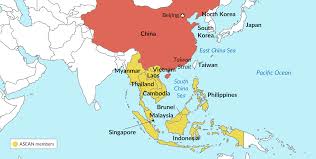
China’s assertiveness in the South China Sea has sparked tensions among neighboring countries, leading to increased militarization of the region.
The US-China Strategic Rivalry
From trade wars to defense, the US-China rivalry profoundly impacts global security dynamics.
Actionable Insights for Policymakers and Researchers
Focus on Multilateral Engagement
Engage China through international platforms like the UN to encourage transparency.
Invest in Counter-Cyber Measures
Strengthen cybersecurity frameworks to counter potential threats from Chinese military advancements.
China’s military strategy is an intricate puzzle influenced by historical precedence, contemporary geopolitical ambitions, and cutting-edge technologies. For researchers, the challenge lies in deciphering patterns amidst limited transparency and rapid evolution. With collaborative research and advanced analytical tools, we can better understand and address the complexities of China’s defense doctrine.