Displaced Individuals in Crisis
The Israeli-Lebanese war has displaced around 1.5 million individuals, creating one of the most severe humanitarian crises in the region. These displaced individuals face countless challenges, including food insecurity, lack of shelter, and disrupted education. Addressing their needs is critical to minimizing the societal impacts of such displacement.
In this article, we’ll uncover 10 key facts about displaced individuals, explore their challenges, and highlight actionable solutions for governments, organizations, and individuals to step in and help.

The Scale of the Crisis: Who Are the Displaced Individuals?
Displaced Individuals by the Numbers
According to the United Nations Refugee Agency (UNHCR), the Israeli-Lebanese war has displaced around 1.5 million individuals, with children accounting for 40% of this population. These displaced individuals include refugees crossing borders and internally displaced persons (IDPs) who cannot safely return home.
Focus Keyword Placement: Displaced Individuals
The plight of displaced individuals demands global attention as they endure the loss of homes, livelihoods, and security.
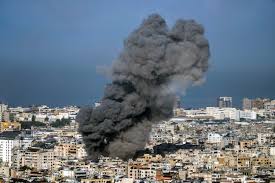
Challenges Faced by Displaced Individuals
1. Shelter Shortages and Overcrowding
The majority of displaced individuals live in temporary shelters or overcrowded camps. According to Human RightsWatch, over 70% of camps lack adequate sanitation, posing severe health risks.
2. Food Insecurity
Disrupted supply chains and limited resources have left displaced individuals dependent on food aid. The World FoodProgramme reports that over 60% of households face food shortages, with children and the elderly being most affected.
3. Healthcare Crises
Healthcare systems in host communities are overwhelmed. Displaced individuals, particularly the elderly and those with chronic conditions, lack access to essential medical services. Mental health challenges, including PTSD, are widespread.
4. Education Gaps for Displaced Children
Children from displaced families often experience prolonged interruptions in their education. Programs like UNICEF’sLearning Passport aim to provide online learning opportunities but face implementation challenges due to funding shortfalls.
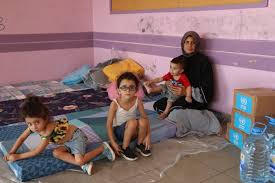
Societal Impacts of Displaced Individuals
5. Economic Strain on Host Communities
The influx of displaced individuals increases demand for housing, food, and public services, placing economic strain on host communities. Rising inflation and job competition often exacerbate tensions.
6. Integration Challenges
Cultural and linguistic barriers hinder displaced individuals from fully integrating into host societies. Organizations like the International Rescue Committee (IRC) are working to promote social inclusion.
H3: 7. Environmental Impact
Overcrowded refugee camps contribute to deforestation, water shortages, and waste management challenges, further straining the local environment.
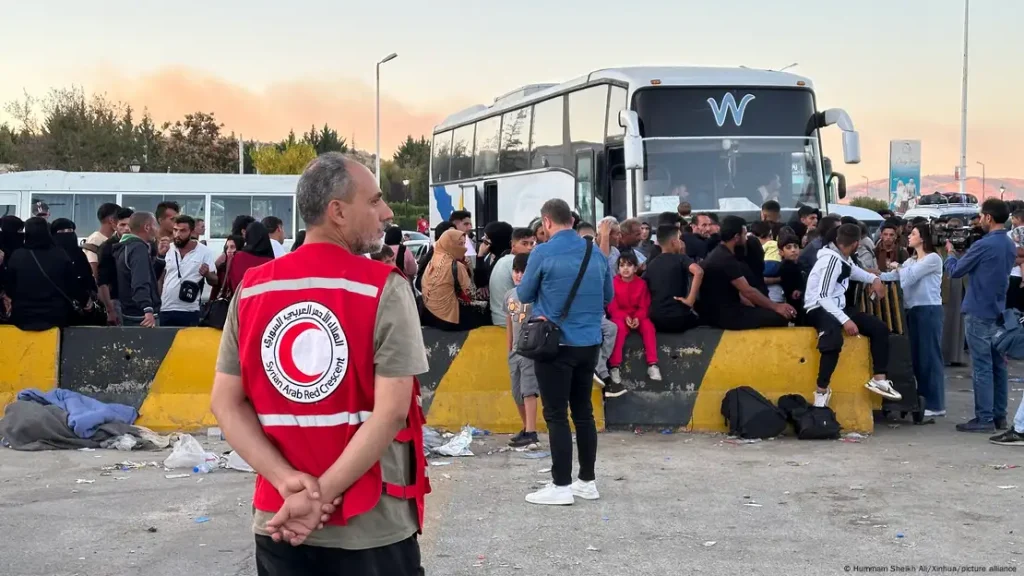
The Future of Displaced Individuals
8. Long-Term Solutions for Displaced Individuals
The future of displaced individuals depends on collaborative action, including:
- Legal Protections: Governments must ensure displaced individuals have access to legal documentation and protection.
- Economic Empowerment: Vocational training programs can help displaced individuals become self-reliant.
- Education Access: Long-term solutions must include education infrastructure tailored to displaced populations.

9. Technology as a Lifeline
Technological advancements like blockchain can improve transparency in aid distribution. Organizations like WorldVision have successfully piloted these solutions in other regions.

10. Rebuilding Home Communities
For displaced individuals to return safely, peace-building and infrastructure reconstruction are essential. International organizations must prioritize these efforts in post-conflict areas.

What You Can Do for Displaced Individuals
How Individuals Can Help
- Donate to organizations like UNHCR or Save the Children.
- Volunteer your time or skills to support displaced individuals locally.
- Raise Awareness about the challenges faced by displaced individuals through social media campaigns.
Corporate Social Responsibility
Businesses can play a vital role by funding educational programs, providing employment opportunities, or partnering with NGOs to assist displaced populations.
Government Advocacy
Governments must enact policies that ensure displaced individuals receive access to essential services like healthcare and education. International collaboration is key to managing this global crisis.
Internal Links:
External Links (DoFollow):
A Shared Responsibility
The displacement of around 1.5 million individuals is not just a humanitarian crisis but a call for global solidarity. Governments, corporations, and individuals all have roles to play in supporting displaced individuals. By addressing immediate needs and creating sustainable solutions, we can help them rebuild their lives and contribute positively to society.
What do you think is the most urgent need for displaced individuals? Share your thoughts below!