Table of Contents
- Introduction: Venezuela Deportation Agreement and Trump’s Immigration Strategy
- The Venezuela Deportation Agreement: A Historic Deal
- Venezuela Deportation Agreement: Political and Diplomatic Implications
- Reversing Deportation Roadblocks with the Venezuela Deportation Agreement
- Maduro’s Bid for Legitimacy via the Venezuela Deportation Agreement
- Behind the Scenes: How the Venezuela Deportation Agreement Was Struck
- Future Implications of the Venezuela Deportation Agreement
- Conclusion: The Venezuela Deportation Agreement and U.S.-Venezuela Relations

Venezuela Deportation Agreement and Trump’s Immigration Strategy
The agreement marks a historic shift in U.S. immigration policy, ensuring the deportation of undocumented individuals from Venezuela, including members of the Tren de Aragua gang. Negotiated by President Donald Trump and Venezuelan leader Nicolás Maduro through Trump envoy Richard Grenell, this deal could significantly impact U.S.-Venezuela diplomatic relations.
The agreement aligns with Trump’s campaign pledge to curb illegal immigration. But what does this mean for U.S.-Venezuela relations, and how might it impact the broader geopolitical landscape?

The Venezuela Deportation Agreement: A Historic Deal
The agreement, finalized after a high-stakes diplomatic visit to Caracas, ensures that Venezuela will accept deported nationals. As part of the deal, six Americans imprisoned in Venezuela were released, marking a diplomatic victory.
Key Takeaways from the Agreement:
- Venezuela will accept thousands of deported undocumented migrants.
- The Tren de Aragua gang members are among the deportees.
- Venezuela will provide transportation for returning citizens.
- No financial concessions were made; the incentive was diplomatic relations.
According to Trump, “It is great to have the Venezuela hostages back home, and it is very important to note that Venezuela has agreed to take back all its nationals illegally residing in the U.S.”
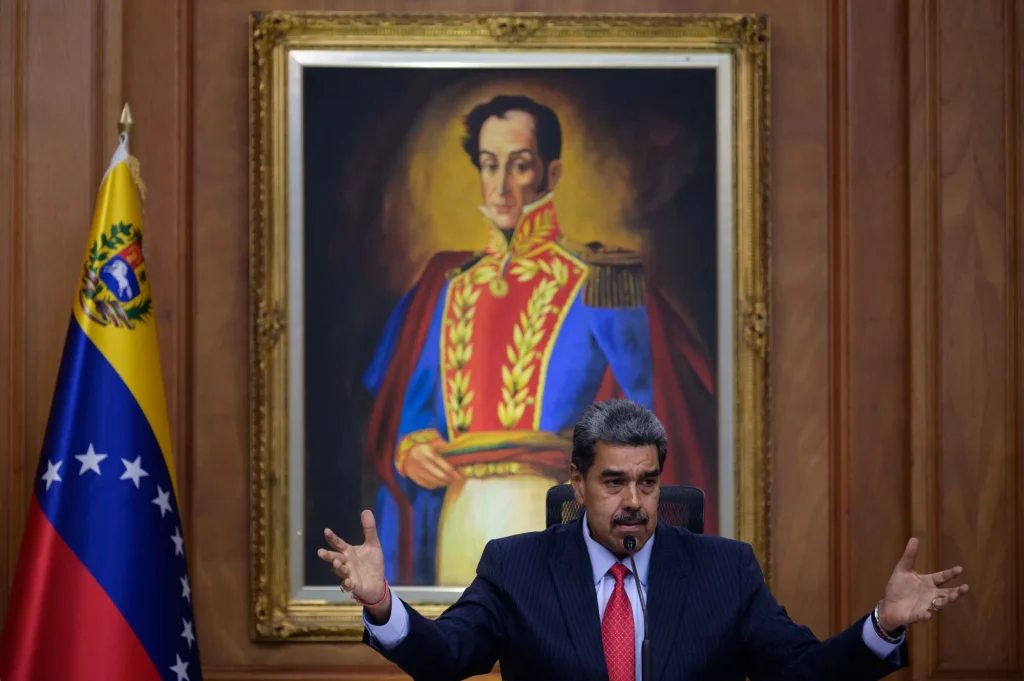
Venezuela Deportation Agreement: Political and Diplomatic Implications
The agreement could reshape diplomatic relations between Washington and Caracas. However, critics warn of potential pitfalls.
Why is Maduro agreeing now?
- With over 7 million Venezuelans having fled due to economic collapse, Maduro might see this as an opportunity to reclaim expatriates.
- The agreement could be a strategic move to improve relations with the Trump administration.
- Venezuela remains under U.S. sanctions, and this deal might be a stepping stone toward future negotiations.
Former U.S. Ambassador Kevin Whitaker cautioned, “Venezuela has a consistent record of reaching agreements and then failing to live up to them.”
For further context, read about U.S. immigration policies and Venezuela’s diplomatic history.
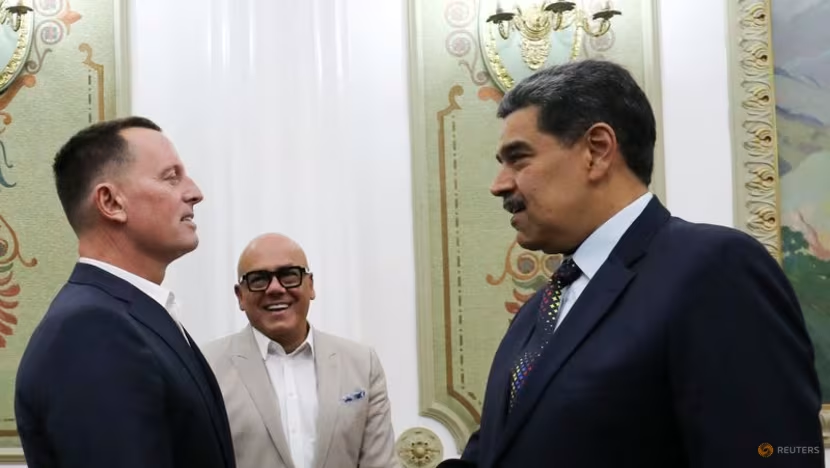
Reversing Deportation Roadblocks with the Venezuela Deportation Agreement
Since early 2024, Maduro had refused to accept deportation flights, complicating U.S. immigration enforcement. Now, the agreement overturns that policy, allowing thousands of Venezuelans with deportation orders to be repatriated.
Venezuelan Migration Crisis at a Glance:
- Over 600,000 Venezuelans migrated to the U.S. in recent years.
- Many were granted temporary protected status under previous policies.
- The broader Venezuelan migrant crisis has seen over 7 million citizens flee to Colombia, Peru, and other Latin American nations.
Internal Links for More Insights

Future Implications of the Venezuela Deportation Agreement
While this agreement marks a significant moment in U.S.-Venezuela relations, uncertainties remain:
- Will Maduro uphold his end of the bargain?
- How will deported Venezuelans reintegrate into a struggling economy?
- Could this set the stage for future diplomatic breakthroughs?
As the agreement unfolds, both the U.S. and Venezuela will be closely monitored by global leaders.
Conclusion: The Venezuela Deportation Agreement and U.S.-Venezuela Relations
The agreement represents a critical juncture in U.S. immigration policy and foreign relations. Whether this deal strengthens diplomatic ties or becomes another short-lived arrangement remains to be seen.
What are your thoughts on the Venezuela deportation agreement? Do you think Venezuela will uphold its commitments? Share your views in the comments below!