

U.S Secretary of State Marco Rubio expressed his admiration for the unprecedented migratory agreement reached with El Salvador‘s President Nayib Bukele on Monday. Rubio described the deal as “extraordinary” and praised Bukele for his willingness to house people deported from the U.S., regardless of their nationality, in El Salvador’s mega-jail. “We can send them and he will put them in his jails,” Rubio said, noting the significance of this arrangement.
Unprecedented Offer by Bukele
During the meeting, Bukele, known for his trademark sunglasses, received Rubio at his picturesque lakeside residence. While the deal was already a significant win for President Donald Trump, who prioritized speeding up the removal of undocumented migrants from the U.S., the true surprise came with the next part of the agreement. Bukele offered to take in dangerous criminals currently in custody and serving sentences in the U.S., even if they are U.S. citizens or legal residents. “He [Bukele] has also offered to do the same for dangerous criminals,” Rubio said.
Outsourcing U.S. Prison System
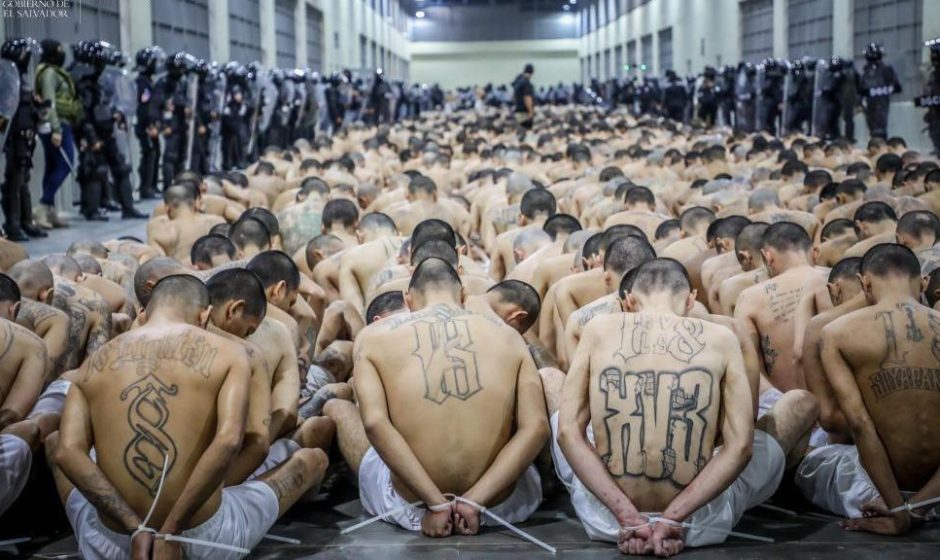
Bukele confirmed that El Salvador would be willing to “outsource part of its prison system” for the U.S. He clarified that El Salvador would accept only convicted criminals and would do so “in exchange for a fee.” The mega-prison in El Salvador, one of the largest in Latin America, opened in January 2023 and can house up to 40,000 inmates according to government figures. However, the exact number of inmates currently incarcerated there is unclear.
Conditions in the Mega-Prison
The conditions in the mega-prison have raised significant concerns. Inmates are confined to windowless cells, sleep on bare metal bunks, and are constantly monitored by armed guards. BBC News Mundo’s Leire Ventas, who toured the facility, reported temperatures reaching 35C in the cells. Rights groups estimate the number of inmates per cell to be between 80 and 150, although the exact figures remain unclear. The facility has come under severe criticism from human rights organizations.

Legal Challenges and Deportation
On Tuesday, President Trump expressed his interest in the idea but questioned its legality. “If we had the legal right to do it, I would do it in a heartbeat,” he said. While natural-born U.S. citizens enjoy legal protection from deportation, naturalized citizens can have their citizenship revoked under certain circumstances. Immigration lawyer Alex Cuic explained that naturalized citizens suspected of ties to criminal gangs or terrorist organizations could be denaturalized and deported. However, any such move would require a formal court process.
Human Rights Concerns
Miguel Sarre, a former member of the United Nations Subcommittee for the Prevention of Torture, has described the mega-prison as a “concrete and steel pit.” Conditions at the facility and the treatment of inmates have been heavily criticized by human rights groups. Prisoners are locked up inside their cells 24 hours a day, except for 30 minutes of group exercise in a windowless corridor. The layout of the jail is intended to ensure maximum security and control
Gangs and Violence in El Salvador
The building of the mega-jail began after a particularly bloody weekend in 2022 when more than 70 people were killed in El Salvador. President Bukele addressed the gangs directly, stating that their actions would prevent their “homeboys” from seeing a ray of sunshine. The first prisoners were transferred to the mega-prison in early 2023. The prison compound, surrounded by high walls and watchtowers, has become a symbol of Bukele’s tough stance on crime.
Future Prospects
The agreement between the U.S. and El Salvador raises significant questions about the future of U.S. immigration policy and the treatment of convicted criminals. While the Trump administration explores the legal feasibility of deporting U.S. citizens to foreign prisons, human rights advocates continue to voice their concerns. The willingness of El Salvador to accept deported individuals and convicted criminals highlights the complexities of international relations and the ongoing struggle to address crime and immigration issues. The unprecedented offer by Bukele has undoubtedly strengthened his position with the Trump administration, but the long-term implications of this agreement remain to be seen.