
HB Condemns Australian Sanctions on Naim Qassem
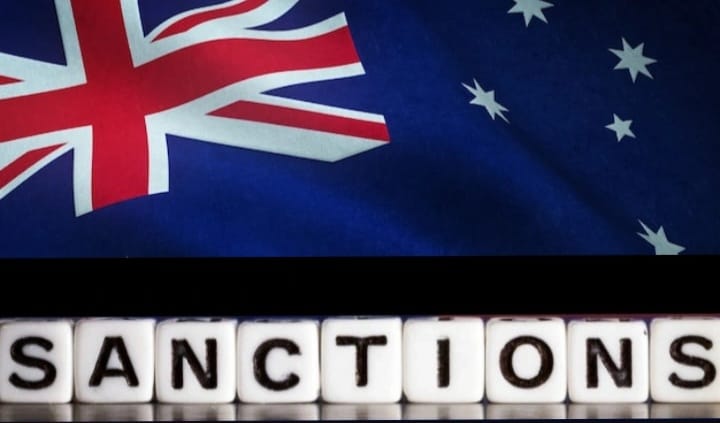
On Tuesday, HB condemned “in the strongest possible terms” Australia’s decision to impose sanctions on its secretary-general, Naim Qassem. In a statement, the Shiite organization denounced the move as “unjust,” viewing it as further evidence of Canberra’s alignment with the “American-Zionist project.” This decision comes as part of a series of sanctions announced Monday by the Australian Ministry of Foreign Affairs under the heading “New sanctions on terrorism financing.”
Targeting HB’s Leadership
Among the targeted individuals is Naim Qassem, described by Australia as the “new secretary-general and prominent spokesman” of HB. Canberra has labeled the organization as a “terrorist group,” accusing it of being responsible for the deaths of “many civilians in Lebanon, Israel, and throughout the Middle East.” This designation allows Australian authorities to impose sanctions, including asset freezes and travel bans, on individuals or entities associated with HB.
Naim Qassem Appointed as Representative in Lebanon
As a follow up, Iranian Supreme Leader Ali Khamenei has appointed Naim Qassem, the Secretary-General of HB, as his representative in Lebanon, according to Tasnim News Agency. This appointment underscores the strategic importance of Lebanon to Iran and highlights the strong ties between the two entities. As Khamenei’s representative, Qassem is expected to play a crucial role in strengthening Iran’s influence and coordination with HB in Lebanon. This move further solidifies Qassem’s position within the organization and marks a significant development in the geopolitical landscape of the region.
Historical Sanctions and Designations
Australia first designated HB’s military wing as a terrorist organization in 2003, and extended this designation to the entire group, encompassing both military and political branches, in 2021. Specific sanctions against the former secretary-general of the organization who was assassinated on Sept. 27 by an Israeli strike in the southern suburbs of Beirut, likely align with these broader measures.
Concerns Over HB’s Activities
The decision to sanction HB was driven by concerns about the organization’s activities, including its “involvement in regional conflicts, support for the Syrian regime, and role in destabilizing the Middle East.” the former secretary-general of the organization had been under sanctions since the mid-1990s, with the United States leading the way. Other countries and organizations, such as the European Union, Canada, and the United Kingdom, followed suit during the 2000s-2010s.
No Place for Anti-Semitism
Australia’s recent statement asserted that there is “no place for anti-Semitism, hatred, or violence” on its territory. HB responded by calling on Canberra to “punish the Zionist murderers” and to side “with the oppressed, the Lebanese and Palestinian peoples.” The organization added that “the whole world is witnessing the massacres and crimes committed by the Zionist enemy against innocent civilians in Gaza and Lebanon.”
Sanctions on Other Extremist Entities
In addition to targeting HB, the Australian government announced sanctions against four entities accused of promoting violent, nationalist, and racist extremist ideologies. These entities include the National Socialist Order, the Russian Imperial Movement, Sonnenkrieg Division, and The Base. These measures reflect Australia’s broader commitment to combating terrorism financing and extremist ideologies.
Future Implications and HB’s Response
The sanctions imposed on HB’s leadership, particularly Naim Qassem, signify Australia’s stance against what it perceives as terrorism and destabilizing activities in the Middle East. HB’s vehement condemnation of the sanctions highlights the ongoing tension between the organization and Western governments. As both sides continue to assert their positions, the impact of these sanctions on regional stability and international relations remains to be seen. HB’s call for Canberra to hold “Zionist murderers” accountable and to support the “oppressed” people of Lebanon and Palestine underscores the deep-seated grievances and geopolitical complexities at play. Moving forward, the international community will need to navigate these intricate dynamics to foster a more stable and secure Middle East.