
Iran also welcomes Trump’s foreign aid cuts as both sides hint at nuclear negotiations.
Iran’s Commitment to Non-Proliferation
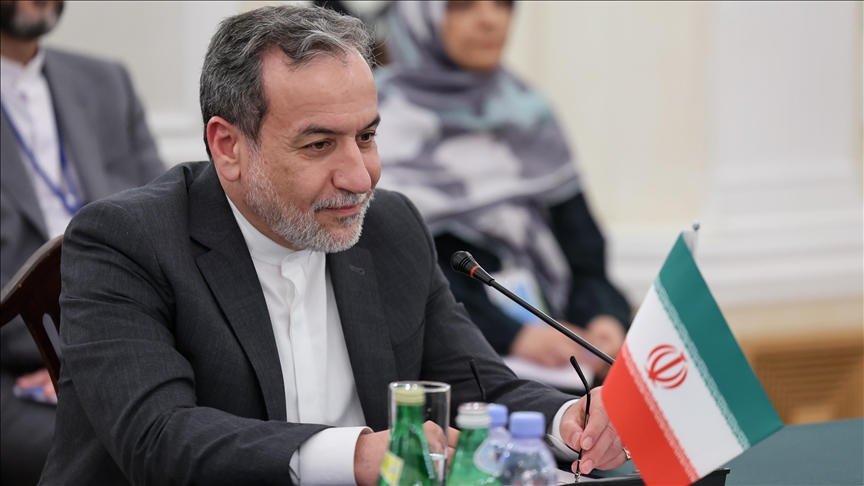
U.S. concerns about Iran developing nuclear weapons can be resolved without much complication, given Tehran’s opposition to weapons of mass destruction, stated Iran’s Foreign Minister Abbas Araqchi on Wednesday. Araqchi emphasized Iran’s clear stance, citing its membership in the Non-Proliferation Treaty and the Supreme Leader’s fatwa against weapons of mass destruction. “If the main concern is that Iran should not pursue nuclear weapons, this is achievable and not a complicated issue,” Araqchi asserted. He further criticized the U.S. “maximum pressure” campaign, calling it a “failed experience” that would lead to another failure if tried again.
Iran Denies Assassination Claims
Iran’s foreign ministry spokesperson dismissed claims that Tehran was seeking to kill U.S. officials as “fabrications by warmongers.” The spokesperson stressed that Iran seeks legal pathways to achieve justice for the killing of its senior officials. U.S. Secretary of State Marco Rubio mentioned these claims after extensive talks with the Central American country’s leader, Nayib Bukele.
U.S. Maximum Pressure Campaign
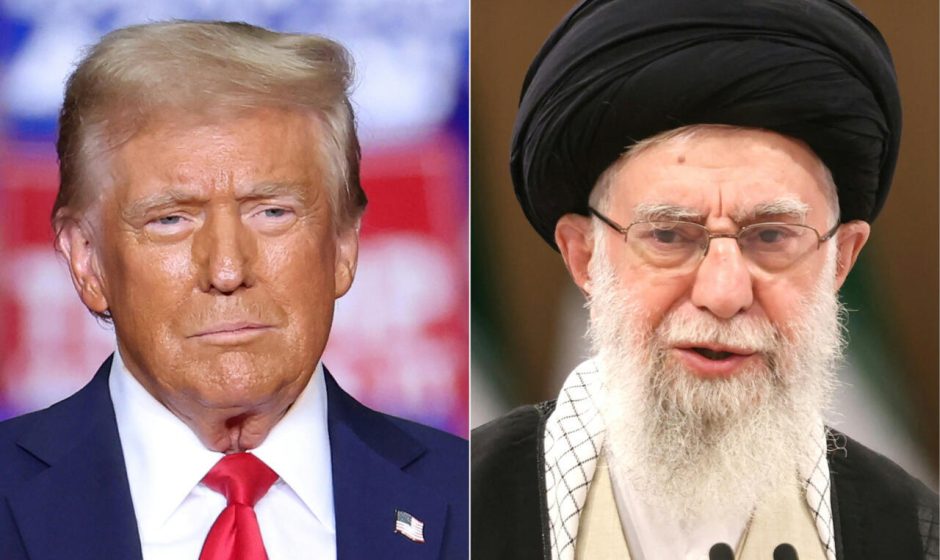
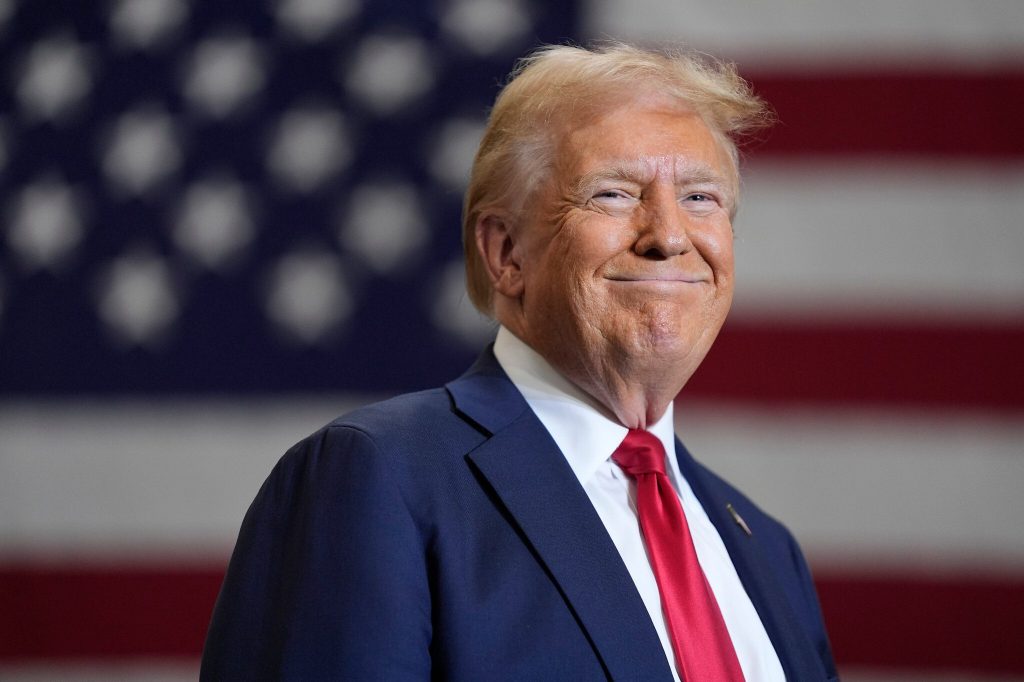
On Tuesday, U.S. President Donald Trump reinstated his “maximum pressure” campaign on Iran. This campaign includes efforts to reduce Iran’s oil exports to zero, aiming to prevent Tehran from acquiring a nuclear weapon. The policy was first initiated by Trump during his first term, following his exit from a nuclear pact between Tehran and world powers. The pact had previously lifted international sanctions in exchange for limitations on Iran’s nuclear program.
Iran’s Uranium Enrichment
Since the reinstatement of the maximum pressure campaign, Iran has significantly accelerated its uranium enrichment. According to the U.N. nuclear watchdog chief, Iran has enriched uranium to up to 60% purity, which is close to the 90% weapons-grade level. This alarming development was highlighted in a report by Reuters in December.
The Killing of Qassem Soleimani
One of the senior officials Iran seeks justice for is Quds Force Commander Qassem Soleimani, who was killed in a U.S. airstrike in 2020. This incident remains a significant point of contention between the U.S. and Iran. The tensions were further escalated by Trump’s comments on Tuesday, warning that Iran would be obliterated if it sought to kill him in retaliation.
Tensions and Diplomatic Challenges
The ongoing tensions between the U.S. and Iran present significant diplomatic challenges. While Iran maintains its opposition to nuclear weapons, the maximum pressure campaign and accusations of assassination plots contribute to a fraught relationship. Both nations face the task of navigating these complexities to find a path forward that ensures regional and global security.
Future Prospects and Path to Resolution
Looking ahead, the path to resolving U.S.-Iran tensions hinges on diplomatic efforts and mutual understanding. The international community has a role to play in facilitating dialogue and ensuring compliance with non-proliferation agreements. While the “maximum pressure” campaign has led to increased uranium enrichment and heightened tensions, there remains hope for a peaceful resolution. Confidence-building measures, such as transparency in nuclear activities and adherence to international treaties, can pave the way for constructive engagement.
Iran’s commitment to non-proliferation, as reiterated by its leaders, offers a foundation for negotiations. On the other hand, the U.S. must consider the impacts of its sanctions and adopt strategies that promote long-term stability rather than short-term gains. Regional allies and global powers can also contribute by mediating and supporting diplomatic initiatives. Ultimately, a peaceful and stable Middle East benefits all parties involved, and finding common ground is essential for achieving that goal. The road ahead may be challenging but with persistent efforts, open communication, and mutual understanding, a lasting resolution is within for reach.