
Violation of International Law: Forced Deportation and Annexation
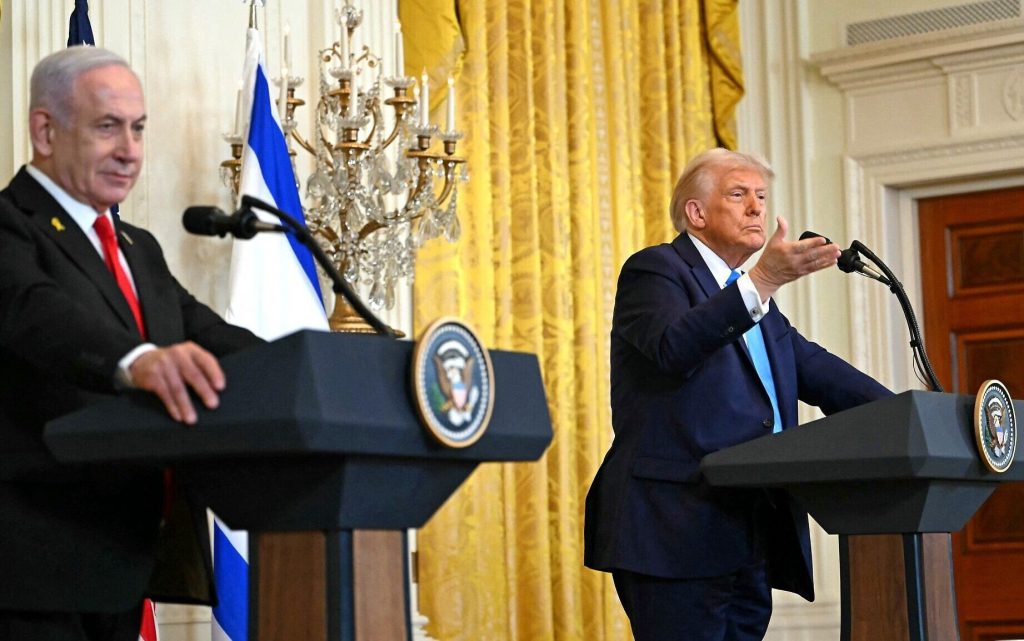
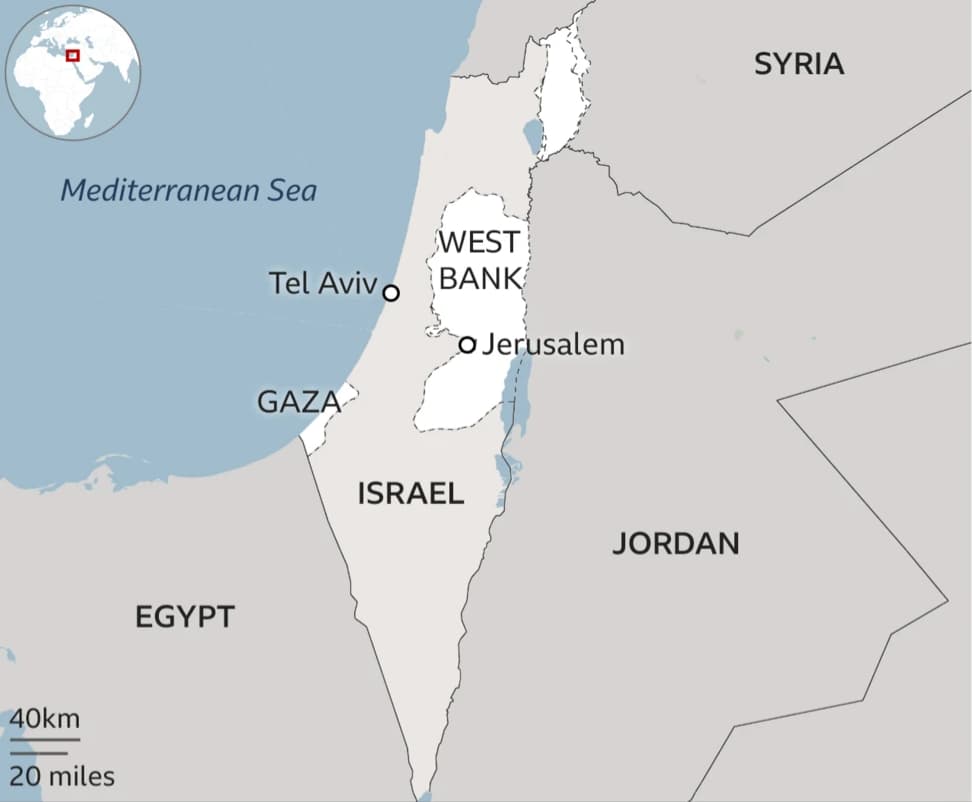
President Trump‘s proposal to forcibly relocate the entire population of Gaza to Egypt and Jordan, followed by the U.S. annexation of Gaza to redevelop it into the “Riviera of the Middle East,” has been met with strong condemnation from experts in international law. This plan constitutes a severe violation of international humanitarian law, war crimes, and crimes against humanity.
International Humanitarian Law and Forced Deportation
Forced deportation or transfer of a civilian population is a clear violation of international humanitarian law, a stance solidified by the Lieber Code during the U.S. Civil War and further cemented by the Geneva Conventions and the Nuremberg Tribunal’s post-World War II rulings. The Rome Statute of the International Criminal Court (ICC) identifies forcible population transfers as both a war crime and a crime against humanity. Targeting a specific group based on ethnicity, religion, or nationality adds the crime of persecution.
Jurisdiction of the International Criminal Court
Given that Palestine is an ICC member, the court has jurisdiction over crimes committed within Gaza, even by U.S. citizens, despite the United States not being an ICC member. When questioned about the number of Gazans he wanted to move, Trump stated “all of them,” and when pressed on whether he would force them if they resisted, he replied, “I don’t think they’re going to tell me no.” Nina Dill, co-director of the Oxford Institute for Ethics, Law and Armed Conflict, labeled this plan a “straightforward crime against humanity” due to the required coercion and force.
Annexation of Gaza and International Law
Additionally, U.S. annexation of Gaza would further violate international law. Whether Palestine is considered a state complicates the specifics, as the United Nations recognizes Palestine as a permanent observer state, acknowledged by 146 out of 193 U.N. member states. The United States, however, does not. Nevertheless, the prohibition against one state annexing another’s territory is a foundational principle of international law. Marko Milanovic, a professor of international law at the University of Reading, emphasized, “You cannot conquer someone else’s territory.” This rule has been rarely violated, with instances like Russia’s invasion of Ukraine sparking global condemnation.
Definition of Aggression by the ICC
The ICC defines aggression as a state using force against another state’s sovereignty, territorial integrity, or political independence, or in a manner inconsistent with the U.N. Charter. While the court cannot prosecute Trump or other U.S. officials for aggression because the U.S. is not an ICC member, the illegality of the conduct remains. Furthermore, even if Gaza is not part of a state, U.S. annexation would breach the civilian population’s right to self-determination. The International Court of Justice has twice ruled that Palestinians are entitled to this right within Gaza. Milanovic stated, “If you take it without their consent, you’re violating their right to self-determination.”
Protests Against Trump’s Early Actions
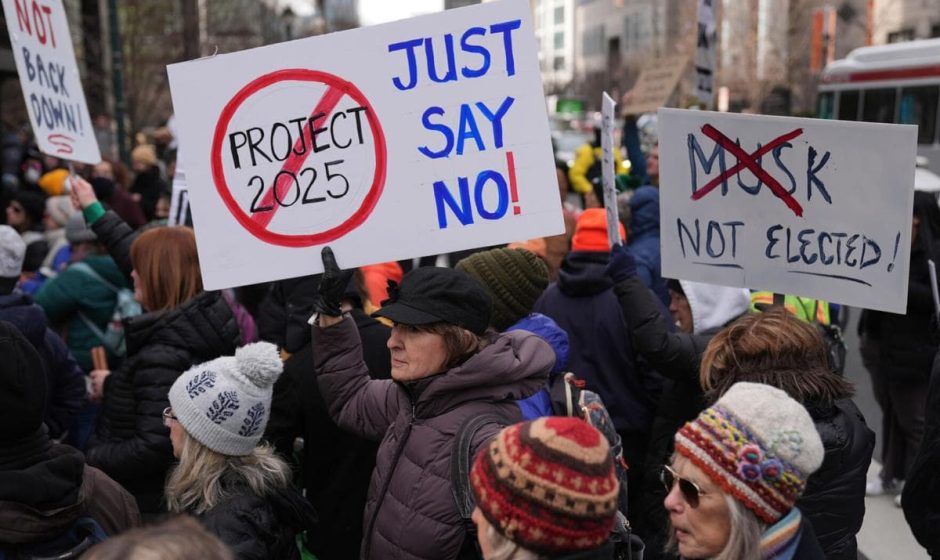
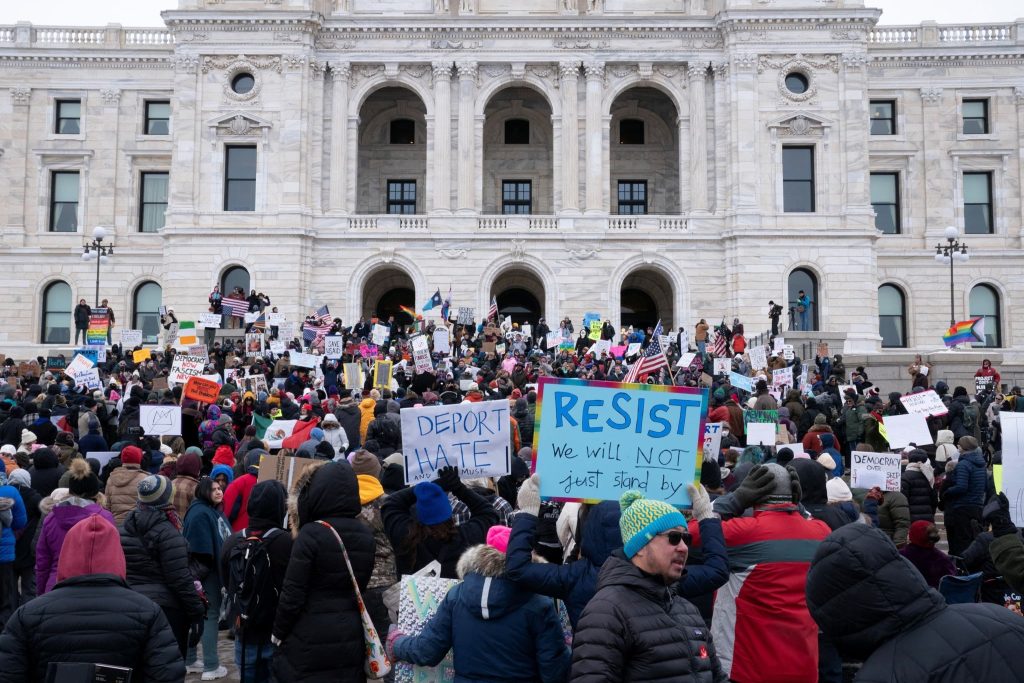
In parallel, thousands of people across the U.S. protested President Trump’s early actions, denouncing plans for mass deportations, attacks on diversity initiatives, and efforts to restrict transgender rights. These demonstrations, which spanned major cities and state capitals in over a dozen states, were spurred online through hashtags like “#BuildtheResistance.” Organized under the unofficial tagline 50501, representing a goal of 50 protests in 50 states on one day, most demonstrations began in the afternoon at Capitol buildings and city halls.
Demonstrations in Texas and the East Coast
Demonstrators in Austin, Texas, filled the lawn and walkway outside the Texas State Capitol, chanting and holding signs that read, “We the people reject Project 2025.” On the East Coast, people gathered in Philadelphia, and police monitored protests in Boston. The protests gained momentum on social media platforms, including Reddit, Instagram, TikTok, and X, the social media site owned by Elon Musk, who is also a close adviser to Trump. Musk’s own aggressive actions, including attempts to shut down government agencies, have also prompted protests.
In Conclusion
In summary, Trump’s Gaza plan is not only legally indefensible but also risks setting a dangerous precedent that could destabilize the international order and endanger global security, including that of the United States. Simultaneously, domestic protests reflect widespread discontent with Trump’s early actions, signaling a broader resistance movement mobilized by social media.