
A Deadly Conflict Erupts After Assad’s Fall
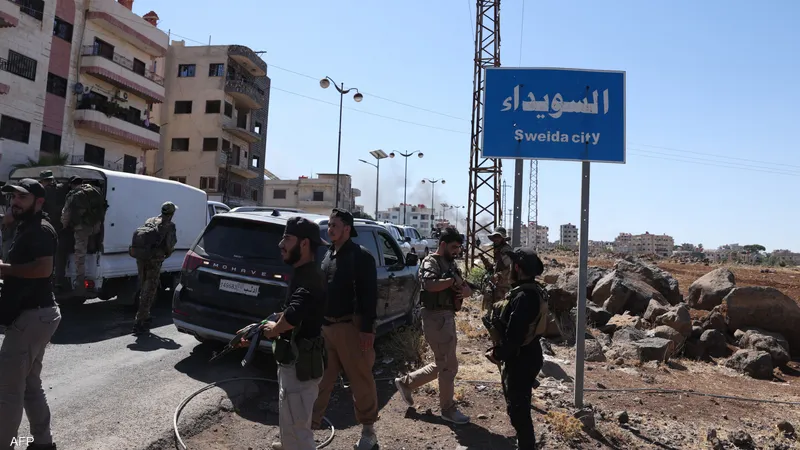
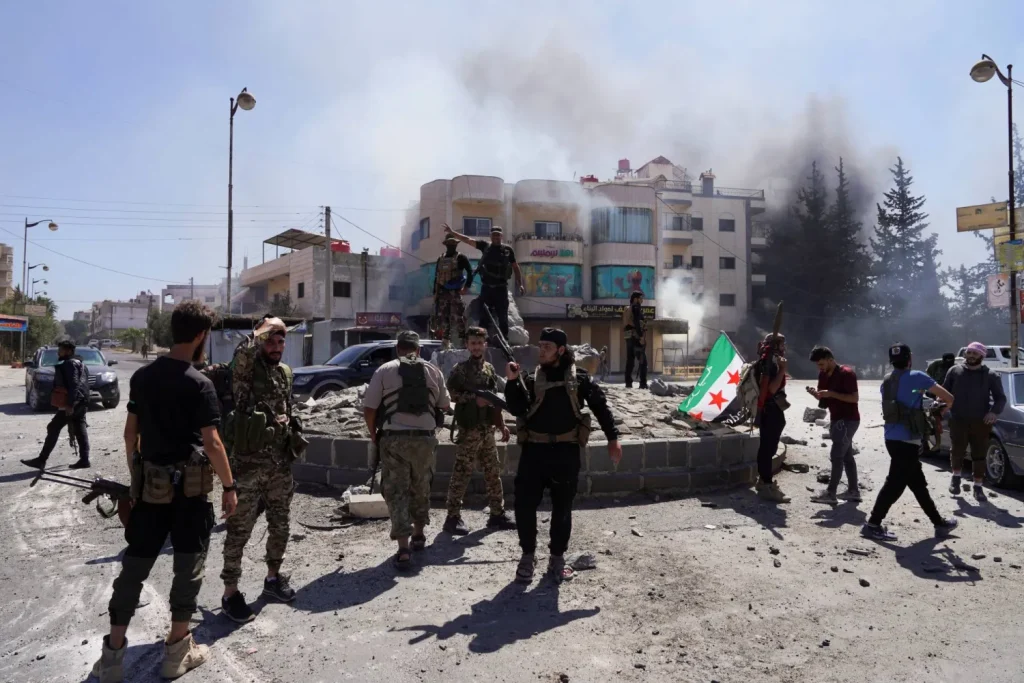
In recent days, the Syrian city of Sweida has witnessed a rapid escalation in violence. This comes seven months after the fall of Bashar al-Assad’s regime, leaving the city in political and security turmoil. Sweida, home to many from the Druze religious minority, has become a focal point of tension between local armed groups and the new Syrian government.
How It Started
Last Sunday, a robbery incident on the Damascus road led to deadly clashes on the eastern side of Sweida. This triggered a chain of violent confrontations between government forces and armed groups.
By Monday, the situation had worsened:
- 30 civilians and 18 soldiers were killed
- Over 100 people injured
- The Syrian army began advancing into the city
Druze Community Reacts
The spiritual leadership of the Druze strongly rejected the military’s entry into Sweida and called for international protection. At the same time, Israel launched airstrikes on the city, claiming it was a warning to the Syrian government
A curfew was imposed by local security. A temporary ceasefire was announced after an agreement between local leaders and the Syrian government.
However, the ceasefire quickly collapsed as Israel continued strikes and threatened more attacks unless Syrian forces withdrew.
A Divided Response
Some Druze leaders welcomed the return of Syrian forces to bring back order. Others, including top cleric Hikmat al-Hijri, rejected any deal and vowed to keep fighting until “the full liberation of Sweida.”
Israel’s military has been actively involved, bombing Syrian targets and allegedly coordinating behind the scenes. Reports say dozens of Druze crossed from Israel into Syria, adding more pressure on the region.
Al-Sharaa’s Troubled Press Conference
Adding to the turmoil, Syrian President Ahmad Al-Sharaa held a tense and widely criticized press conference addressing the unfolding crisis. His remarks were vague and defensive, avoiding clear answers about the government’s role in the Sweida violence or the Israeli strikes on Damascus. Journalists noted his visible discomfort and lack of a concrete plan, which only deepened public frustration. Many Syrians saw the appearance as a sign of weak leadership at a time when the country desperately needs direction and reassurance.
Lebanon on Edge
The escalating situation in Sweida has raised serious concerns among leaders in neighboring Lebanon. President Joeseph Aoun and Prime Minister Nawaf Salam strongly condemned Israel’s repeated attacks, calling them a violation of Syria’s sovereignty and international law. Hezbollah also weighed in, accusing Israel of fueling division in the region and warning of larger plans to redraw borders and trigger new civil wars. Adding to the alarm, Druze leader Sheikh Sami Abou El Mona cautioned that the violence in Sweida could easily spill over into Lebanese territory.
Looking ahead, the conflict in Sweida brings back painful memories of Lebanon’s own sectarian war in 1983. Many observers fear that Syria is now on a similar path toward fragmentation and state collapse. Meanwhile, Lebanon itself remains politically fragile, as heated debates in parliament continue and the government struggles to respond to growing security threats and intense international pressure.
Read also