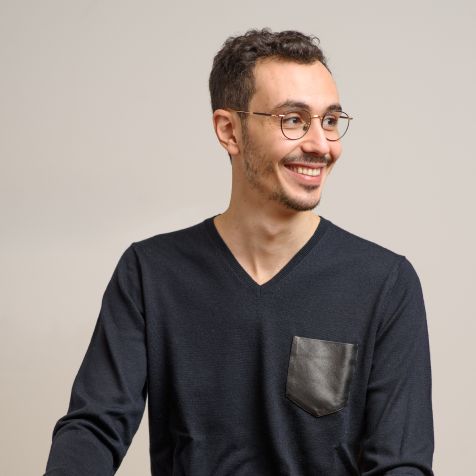

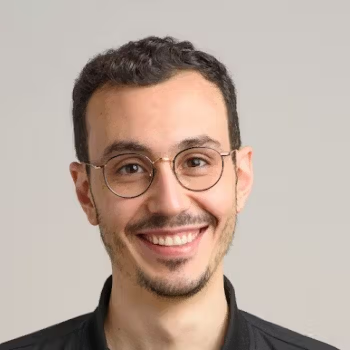
Who Is Karim Atiyeh?
Born in Beirut, Lebanon, The 35 years old Karim Atiyeh embarked on a journey that took him to the hallowed halls of Harvard University, where he earned both a BA and MS in Electrical & Computer Engineering. A Siebel Scholar with an early passion for innovation, he laid the foundation for a remarkable tech career
The Fintech Visionary
In 2014, Atiyeh co-founded Paribus, a startup that automatically refunded customers when prices dropped on online purchases. It quickly caught the eye of Capital One, which acquired it in 2016. This early win helped cement Atiyeh’s reputation as a problem‑solver at scale.
Built with co‑founders Eric Glyman and Gene Lee, Ramp launched in 2019 as a fintech platform reimagining expense management for corporate America. By 2025, Ramp had exploded into a powerhouse with a valuation near $13 billion, serving over 30,000 businesses with AI-driven analytics, spending controls, and no‑fee corporate cards. Karim spearheads the tech side as CTO, steering product innovation from real-time dashboards to intelligent savings tools that help companies slash wasteful spending .
Billionaire Status Unlocked
Atiyeh’s stake in Ramp has soared in value, placing him among the very few Arab-origin billionaires in the U.S., with a personal net worth now estimated around $1.3 billion. His ascent raises the number of Arab‑origin American billionaires to six, sharing a collective fortune exceeding $17.7 billion
What Makes His Story Special?
Engineering mindset meets finance disruption
Cultural symbol: From Beirut to Boston to New York, Atiyeh represents a new wave of Middle Eastern talent shaping Silicon Valley success stories.
Visionary leadership: He repeatedly emphasizes savings, efficiency, and automation challenging legacy financial practices with sleek tech tools
The Man Beyond the Milestones
Despite his meteoric rise, Atiyeh is often described as approachable, witty, and deeply curious someone who believes that true innovation comes from relentlessly improving user experience and solving real problems. His philanthropic leanings underscore a softer side: supporting education, tech access, and creative causes in the Arab and U.S. diasporas