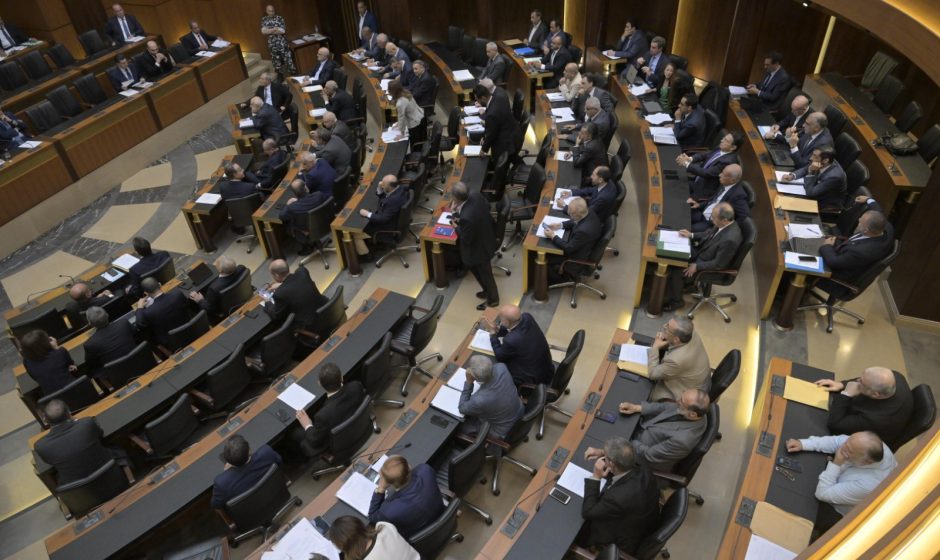

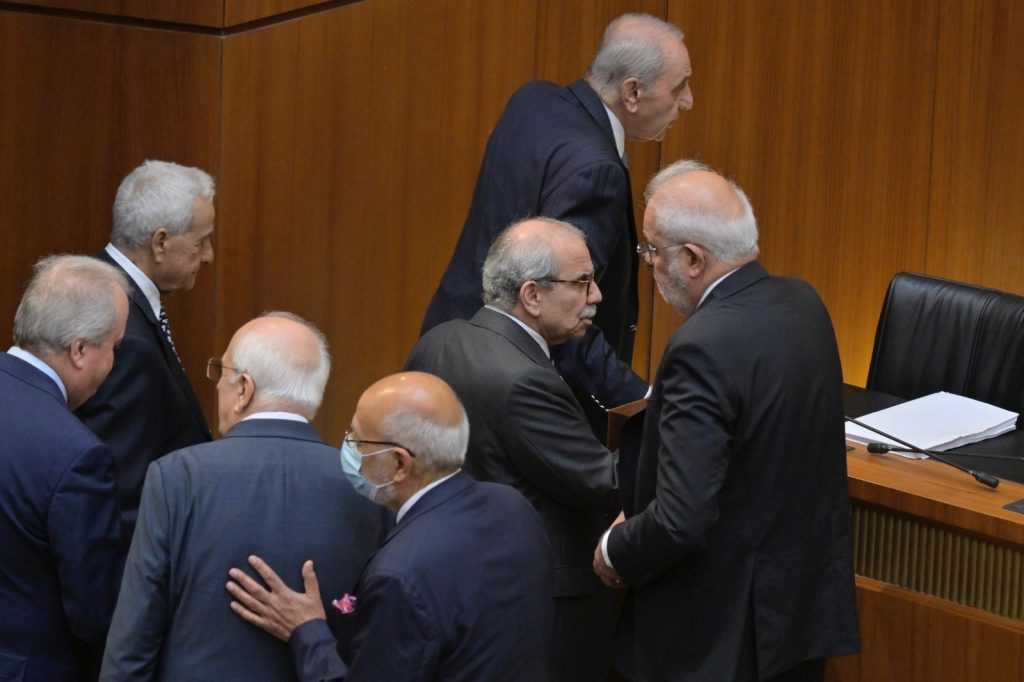
In a major legislative move, the Lebanese Parliament approved a series of long-awaited reforms during its Thursday session, tackling the country’s financial collapse, judicial inefficiency, and outdated rental policies. The session, marked by urgent discussions and broad political consensus, signals a tentative step forward in Lebanon’s economic recovery plan.
Banking Sector Reform Bill Ratified
Parliament gave final approval to the much-anticipated banking sector reform bill, marking a critical step in Lebanon’s efforts to restructure its collapsing financial system. The law, introduced under Decree No. 193, aims to reorganize the country’s banking framework, including mechanisms for dealing with failing banks, safeguarding depositors, and aligning with International Monetary Fund (IMF) requirements. The measure had been under deliberation since early 2024 and faced repeated delays due to political disagreements. This approval is seen as essential for unlocking international financial assistance.
Amendments to Rental Laws for Commercial Properties
In parallel, lawmakers passed amendments to Law No. 11, issued on June 12, 2025, concerning non-residential leases. The revised law introduces updated provisions governing rental contracts, tenant obligations, and dispute resolution mechanisms in commercial leases. These changes are expected to modernize outdated clauses and provide more legal clarity for landlords and business tenants alike, particularly in a post-crisis real estate market.
Judicial Reform Bill Passed to Strengthen Independence
Another key development was the passing of the judicial reform bill under Decree No. 315, which aims to reorganize Lebanon’s judicial system. The bill introduces structural adjustments to court administration, improves case management procedures, and lays the foundation for judicial independence a long-standing demand of both civil society and international observers. The bill also sets mechanisms for enhanced oversight of judicial appointments and disciplinary measures.
Public School Directors to Receive Management Compensation
Parliament also approved legislation that regulates and formalizes management compensation for public school principals. The new provisions, based on amendments to Law No. 73 (dated April 23, 2009), define eligibility criteria, compensation levels, and administrative responsibilities. The law is designed to support educational leadership and improve retention of experienced school administrators amid ongoing challenges in Lebanon’s public education sector.
Pharmacy Law Referred Back to Committee
One proposal that did not pass was the draft law concerning the regulation of the pharmacy profession. The law, which aimed to amend aspects of Law No. 367, was sent back to the Parliamentary Health Committee for further revision and consultation with key stakeholders. Lawmakers cited the need for more in-depth discussions with health professionals and pharmacists before any changes could be implemented.
So
Thursday’s legislative session marks one of the most productive in recent months, signaling a shift in parliamentary focus toward economic recovery and institutional reform. While many challenges remain particularly in implementing these laws on the ground observers view the passed reforms as necessary first steps toward restoring credibility and functionality in key sectors of the Lebanese state.