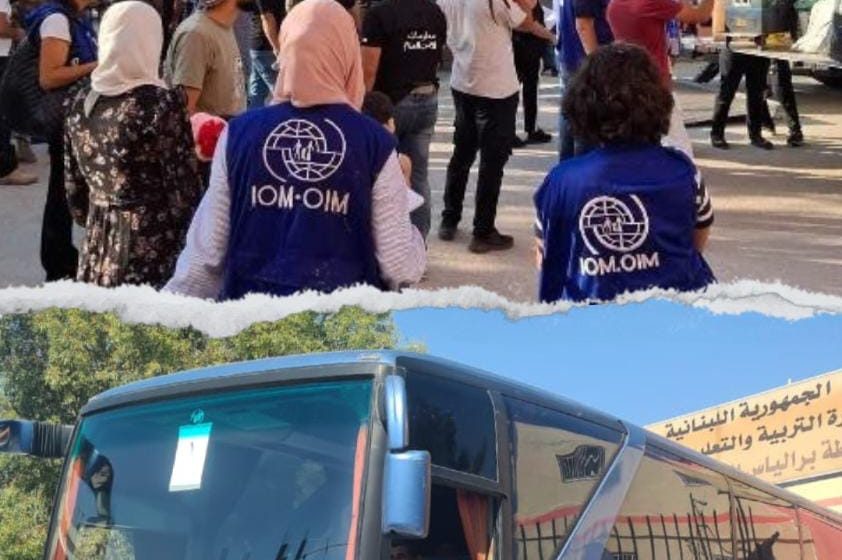

For the first time in over a decade, Syrian refugees in Lebanon are boarding buses back to their homeland under a newly launched UN-backed repatriation plan. On July 29, just 72 refugees made the trip, a small number, but symbolically powerful. This “test run” is part of a broader program that could reshape the future of displacement in the region.
The Weight Lebanon Carries
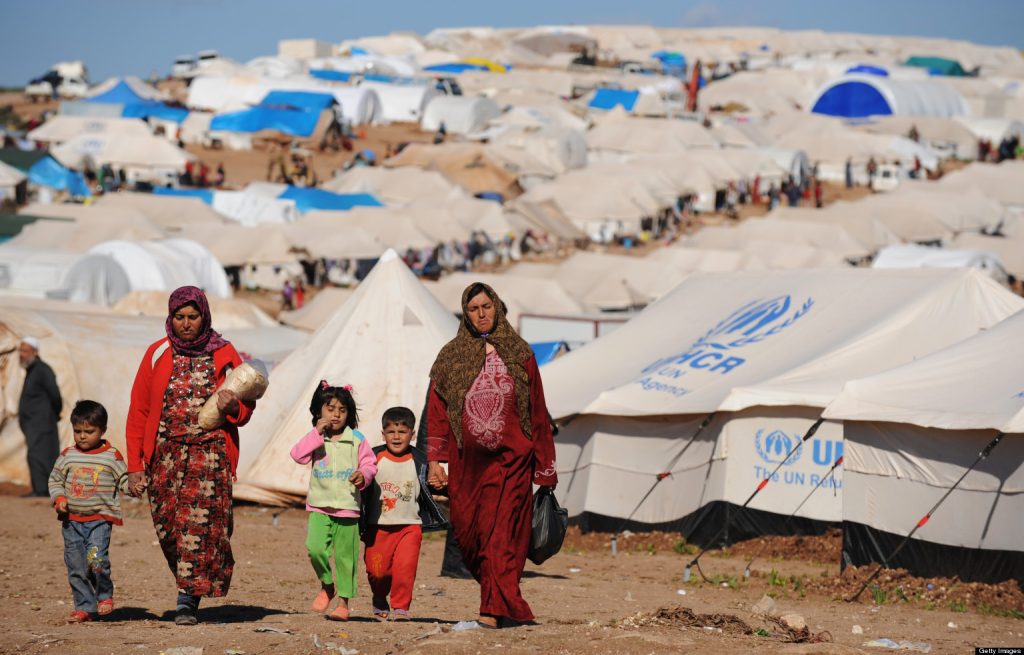
Lebanon has long hosted over a million Syrian refugees, many of whom arrived unregistered and without documentation. As poverty deepens and international aid dries up, pressure on Lebanon’s fragile economy has intensified. For years, Lebanese authorities have called for repatriation now, for the first time, there’s a real path forward.
A Changed Syria, A Risky Return
This time, The fall of Bashar Assad in December and the rise of President Ahmed al-Sharaa has made return theoretically safer for many. But Syria is far from stable. Years of war have left its infrastructure shattered, its economy broken, and its population deeply wounded. For refugees, the return is less about hope and more about necessity.
A Difficult Choice, Not a Celebration
17,000 Syrians in Lebanon have signed up to return, yet most refused to board the buses. Some are still afraid. Others feel torn between a life of hardship in exile and a country still struggling to stand. It’s a choice no one should have to make between survival and identity.
Humanitarian Crisis Still Shadows Syria
Despite political shifts and the lifting of sanctions, Syria remains in crisis. The UN warns that without serious investment and support, long-term returns will fail. “We must acknowledge that there is a real humanitarian crisis in Syria that remains very significant,” said UNHCR’s Lisa Abou Khaled. This isn’t the end of the refugee story it’s the beginning of a new, uncertain chapter. For those returning, it’s a leap of faith. For Lebanon, it’s a flicker of relief. And for the region, it’s a reminder that war may end on paper, but its consequences last for generations.