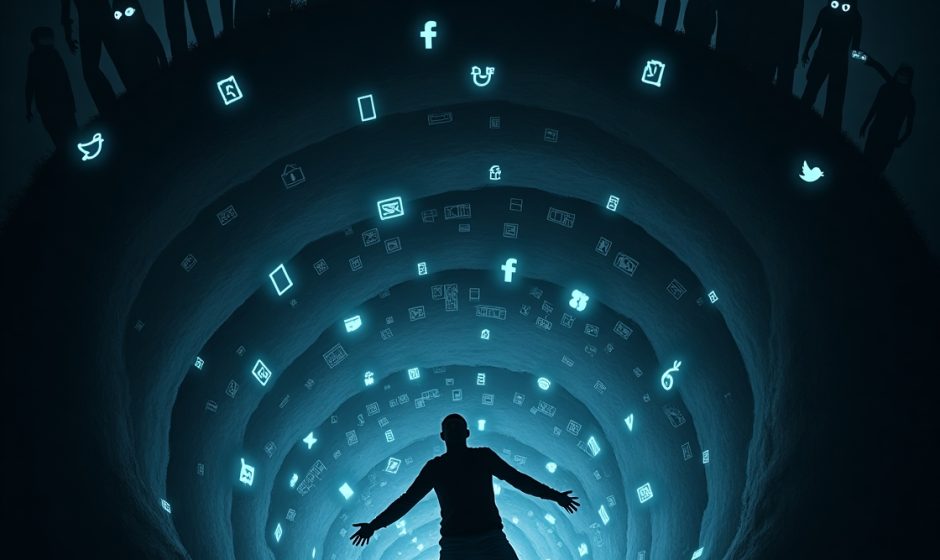

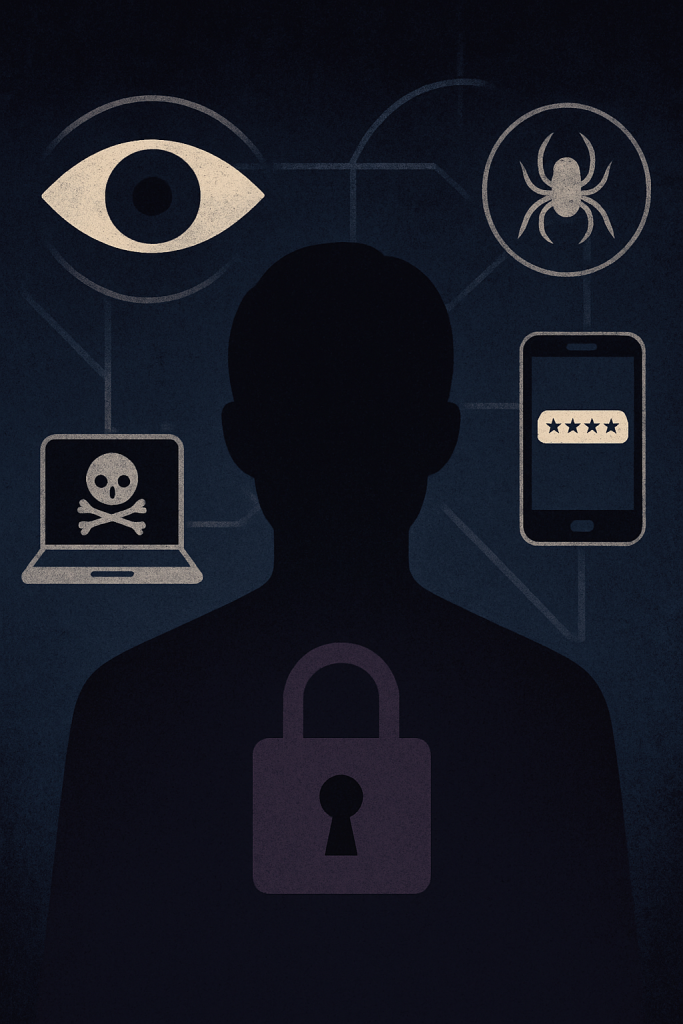
Let’s be honest, having a private life today feels almost impossible. No matter how careful you are, there’s always something or someone trying to peek in. You can log out, turn off your phone, even disappear from socials but your data is still out there. Every click, every message, every app download is being tracked, saved, or shared. And the worst part is that you might not even know it. It’s like privacy has become a luxury we can’t afford anymore, when it used to be something normal, something basic. Now we have to fight for it online and offline.
The Security Arms Race
Hackers are getting smarter. Now they use AI to send fake emails or messages that look real, steal your passwords, or break into your accounts without you even noticing. Even if your own devices are safe, the apps and websites you use might not be and that’s enough for hackers to reach you. And don’t forget about smart devices at home like TVs, locks, or speakers. If they’re not protected, they can open the door for someone to get into your whole digital life.
Mass Breaches and Identity Theft
Breaches are everywhere. A recent data leak exposed over 16 billion login records from giants like Apple, Google, and Facebook amplifying the risk of phishing, identity theft, and account takeovers. The SunTom’s Guide
Data breaches in 2025 are more costly than ever averaging around $4.62 million per incident, with global costs climbing toward $10.5 trillion annually.
Meanwhile, insiders cause roughly 40% of data breaches, exposing sensitive data like social security numbers, banking info, and medical records.
From Smartwatches to Smart Invasions
Wearables which were once symbols of progress, are now pose ethical dilemmas. Apple’s latest AI model can reportedly detect pregnancy with 92% accuracy based purely on behavioral and sensor data.
Meanwhile, fitness and reproductive tracking apps have raised red flags sometimes exposing location, menstrual cycles, and registries even when anonymized.
In conflict zones, apps like Strava have unintentionally exposed the whereabouts of military personnel via public heat-maps.
Big Brother, Big Data
Governments aren’t helping either: 72% of people fear misuse of their data by authorities, while 89% worry about corporate exploitation notably via AI tools. Malwarebytes
In a stark revelation, over 3.1 million user accounts were shared by tech giants like Apple, Google, and Meta with U.S. authorities and data requests have surged by 600–1000% across the U.S. and EU. Reddit
The Human Cost of Surveillance
Every notification ping shouldn’t feel like a knock on your front door. Yet, knowing you’re being watched chips away at your peace of mind. Whether it’s targeted ads following your every scroll or the suspicion that someone planted malware, it wears you down. We start second-guessing our own thoughts wondering if our private conversations, our most innocent searches, will be twisted against us. This happens in silence, behind the scenes, long before we even notice. modern tech is addictive. We love one-tap check-ins, instant voice assistants, and wearable health trackers. But every convenience has a price tag often paid in personal data. We shrug at location-based reminders or fertility trackers until we realize how that data can be sold, leaked, or subpoenaed. It’s not about giving up cool gadgets; it’s about knowing when to pause.
Real Risks, Real Consequences
The danger is real, and people are going through it every day. Some wake up to find all their accounts social media, emails, bank apps hacked in one go. Others get tricked by deepfake videos or fake voices that sound exactly like someone they know. There was even a case where scammers used fake audio to steal 25 million dollars. Even apps that seem fun or useful can be dangerous. One app that let women review men secretly ended up leaking over a million private messages and photos. No one is fully safe anymore.
How should we deal with all of this
It’s overwhelming. We can’t live offline forever, and we can’t fully trust being online either. But we can be more aware. We can stop thinking “this won’t happen to me” and start taking basic steps, like changing our passwords regularly, turning off unnecessary app permissions, thinking twice before sharing anything personal, even with people we trust. We should talk more about these things, ask questions, and learn from each other. Privacy isn’t just a tech issue, it’s a human one and protecting it starts with us choosing to care, even in the smallest ways.