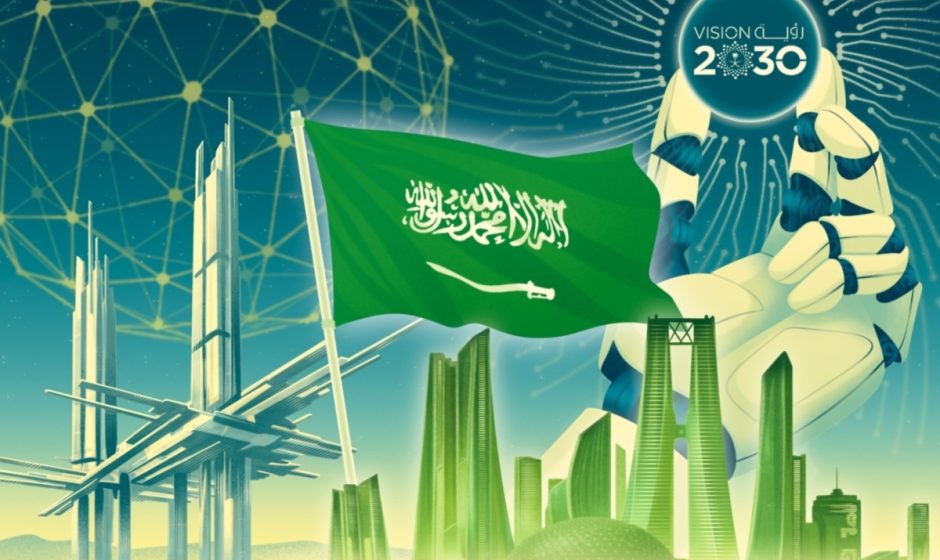

Saudi Arabia is redefining its role in the global energy landscape through Vision 2030, shifting from being primarily one of the world’s most reliable oil suppliers to becoming a diversified global energy powerhouse focused on innovation, sustainability, and long-term economic growth.
The transformation reflects a strategic shift in how the Kingdom leverages its natural resources, emphasizing the development of renewable energy alongside maximizing the value of its oil and gas reserves. A key milestone in this transition was the renaming of the Ministry of Petroleum and Mineral Resources to the Ministry of Energy, signaling a broader vision that encompasses conventional and renewable energy alike.
Natural Advantages Drive Renewable Expansion
Saudi Arabia’s vast deserts, abundant sunshine, favorable wind conditions, and diverse geography have positioned the country as one of the world’s most promising locations for renewable energy projects.
To capitalize on these advantages, the Kingdom launched several initiatives, including the National Renewable Energy Program, the Custodian of the Two Holy Mosques Renewable Energy Initiative, and the National Renewable Energy Data Center, while accelerating investments in large-scale solar and wind power projects.
These efforts have delivered significant results. Renewable electricity generation capacity increased from 3 gigawatts in 2020 to 46 gigawatts by 2025, supported by 64 projects, including 40 solar power plants, nine wind farms, and 15 energy storage facilities.
Green Hydrogen Takes Center Stage
One of the flagship projects of Saudi Arabia’s energy transformation is the NEOM Green Hydrogen Project, recognized as the world’s largest facility of its kind, with an expected production capacity of 600 tons of green hydrogen per day.
The Kingdom has also launched the first phase of the Yanbu Green Hydrogen Center, featuring renewable power generation, desalination plants, electrolysis units, green ammonia production facilities, and a dedicated export terminal, reinforcing Saudi Arabia’s ambition to become a leading exporter of clean hydrogen.
Energy Storage and Innovation
Saudi Arabia has also emerged as a major player in the global energy storage sector. The Kingdom is now approaching China’s competitive battery storage costs, with four-hour battery storage projects averaging $409 per kilowatt, compared with $404 in China.
Energy storage projects currently under development total 30 gigawatt-hours, while 8 gigawatt-hours have already been connected to the national electricity grid.
Meanwhile, Saudi Aramco has successfully deployed the world’s first renewable energy storage system designed specifically to power gas production wells. Based on Saudi-developed patented technology, the 1-megawatt-hour system is expected to support five gas wells for up to 25 years, offering a reliable alternative to conventional solar energy solutions in harsh operating environments.
SPARK Boosts Industrial Localization
Vision 2030 also focuses on expanding domestic manufacturing and strengthening local supply chains through King Salman Energy Park (SPARK).
The industrial hub has attracted investments exceeding SAR 12 billion (approximately $3.2 billion) and more than 60 local and international investors. Strategically located near energy resources and major transport networks, SPARK includes a dry port to facilitate logistics and exports.
To date, seven factories have entered operation, while 14 additional manufacturing facilities are currently under construction.
Balancing Energy Security and Sustainability
While many countries are rapidly reducing their reliance on fossil fuels, Saudi Arabia continues to advocate a balanced energy transition that safeguards global energy security while investing heavily in low-carbon technologies.
Alongside renewable energy expansion, the Kingdom remains committed to developing its hydrocarbon resources, including the Jafurah unconventional gas field, the largest of its kind in the Middle East. The project is expected to strengthen Saudi Arabia’s natural gas value chain and expand its petrochemical industry.
By combining continued investment in conventional energy with accelerated deployment of renewable technologies and carbon-reduction solutions, Saudi Arabia is positioning itself as a comprehensive global energy hub and a leading model for sustainable energy development under Vision 2030.