
An Egyptian archaeological mission has uncovered a remarkable collection of ancient structures and artifacts at the Tell El-Koua site in Wadi El-Tumilat, Ismailia Governorate, shedding new light on daily life during Egypt’s Second Intermediate Period.
The excavation revealed 10 tombs, a residential complex, multiple kilns, and a series of storage silos located east of the settlement, offering valuable insights into the area’s historical significance and its role as an inhabited community thousands of years ago.
Rich Collection of Artifacts
Archaeologists also recovered a diverse range of artifacts, including scarab seals, bronze tools, pottery vessels, alabaster kohl containers, and distinctive Tell el-Yahudiya-style flasks, a ceramic type closely associated with the Second Intermediate Period.
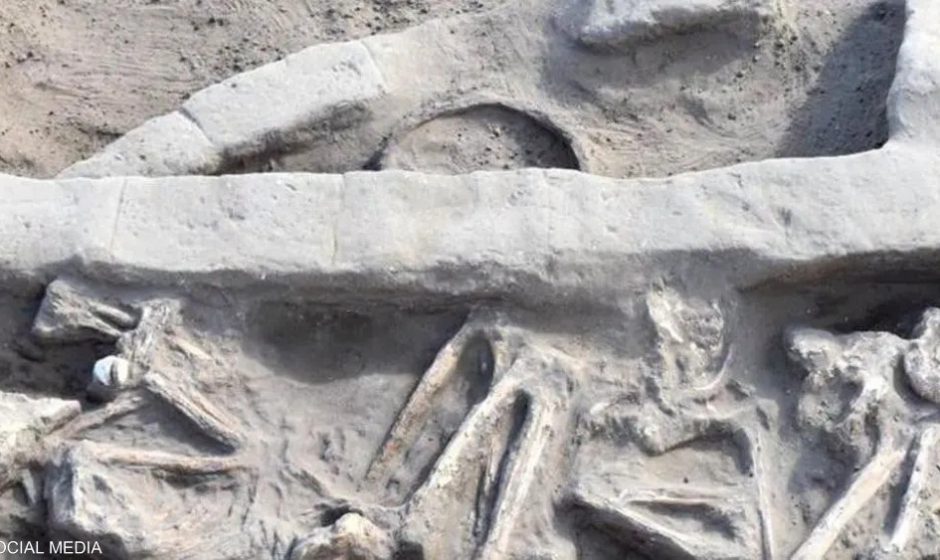
In addition, the mission uncovered several human skeletons displaying varied burial practices and age groups, providing researchers with new information about funerary customs during the era.
Unusual Human Burials Discovered
Among the most significant findings was the discovery of human burials outside the traditional mudbrick tombs for the first time at the site. Some of the remains were found in a crouched burial position, an uncommon funerary practice that researchers say could offer fresh insights into ancient burial traditions and social customs.
Evidence of Everyday Life
Analysis of the pottery assemblage suggests the settlement witnessed intensive daily activity, with tableware accounting for the majority of the ceramic finds, followed by cooking vessels, helping archaeologists reconstruct aspects of everyday domestic life in the ancient community.
Experts believe the latest discoveries further enhance the archaeological importance of Tell El-Koua and could contribute significantly to understanding settlement patterns and cultural practices in Egypt during one of its most complex historical periods.