
Mexico’s Refusal of U.S. Military Deportation Flights: A Strategic Decision
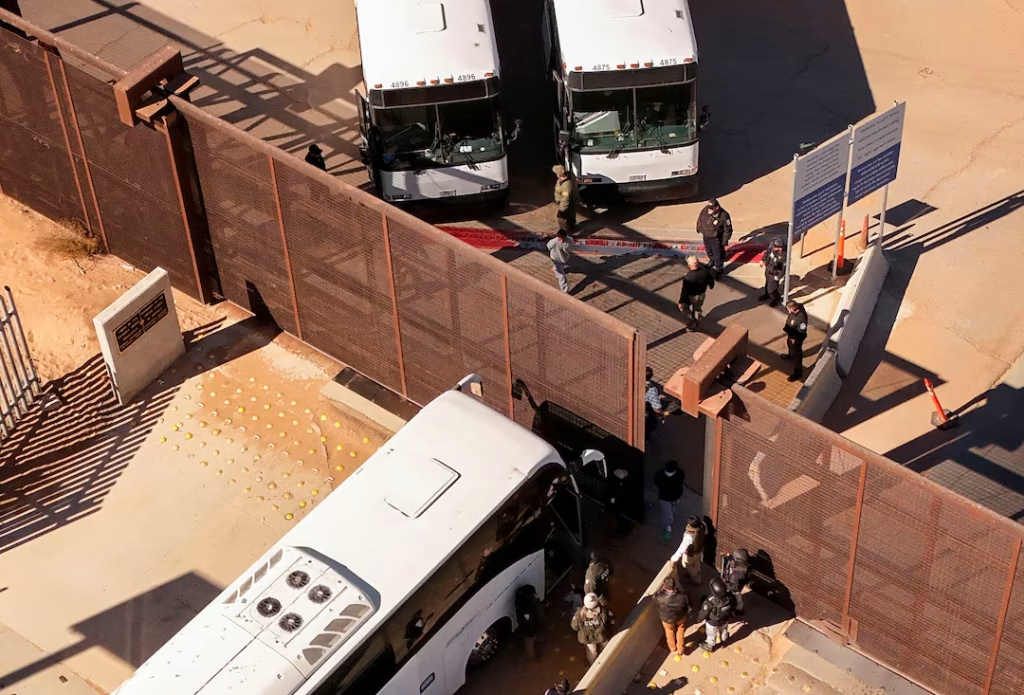
The relationship between the United States and Mexico took an intriguing turn recently, as Mexico rejected a request to allow U.S. military aircraft to land in its territory for deporting migrants. This development, unprecedented in its context, highlights Mexico’s diplomatic stance amid heightened border tensions.

Why Mexico’s Decision Matters
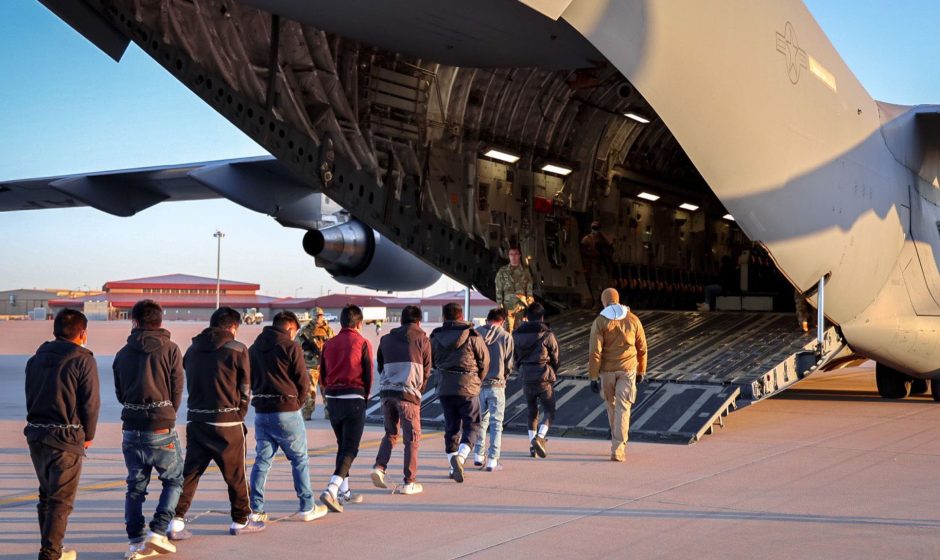
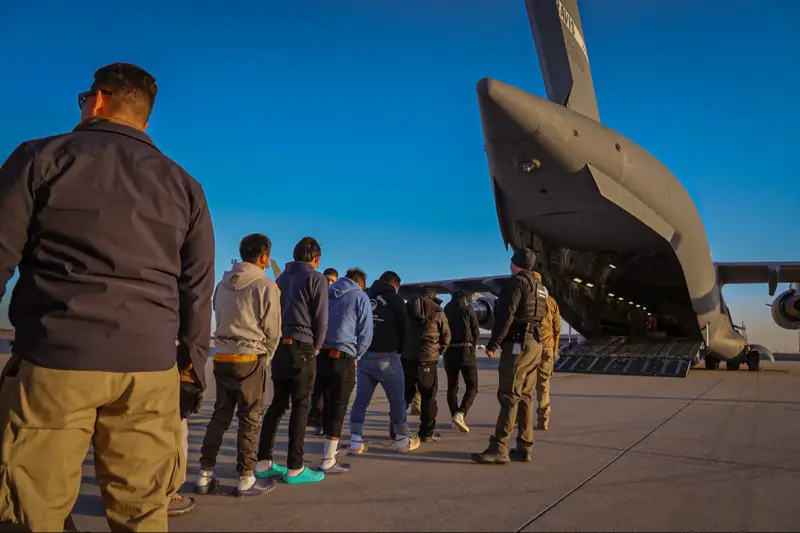
The denial comes as the U.S. Pentagon announced plans to use military aircraft to deport over 5,000 migrants, marking a rare instance of such a strategy. Two U.S. military flights, each carrying around 80 deportees, successfully landed in Guatemala. However, a plan to land a U.S. C-17 transport aircraft in Mexico faced rejection from Mexican authorities.
This decision underscores Mexico’s nuanced approach to immigration issues. While the country maintains a cooperative stance with the United States, it has drawn firm lines regarding military involvement in deportation operations.
The Role of U.S. Military Aircraft in Deportations
Traditionally, U.S. deportations rely on commercial charters. The use of military aircraft, more commonly associated with evacuation missions such as the U.S. withdrawal from Afghanistan, reflects an unusual response to mounting migration pressures.
The Pentagon aims to address the growing number of migrants held in detention facilities in El Paso, Texas, and San Diego, California, but the reliance on military assets has sparked debate over the ethical and diplomatic implications of such measures.
Mexico’s Diplomatic Statement
Mexico’s foreign ministry reiterated its commitment to welcoming returning Mexican nationals while emphasizing the importance of mutual respect in its relationship with the U.S. “We will always accept the arrival of Mexicans to our territory with open arms,” the ministry’s statement read. However, it remained silent on why permission was denied for the C-17 aircraft.
Mexican President Claudia Sheinbaum clarified her government’s position against mass deportations, emphasizing that Mexico’s economy benefits significantly from its migrant workforce in the United States. She also highlighted the importance of bilateral agreements in any cross-border policies, particularly concerning the controversial “Remain in Mexico” program.
U.S. Policies Under Scrutiny
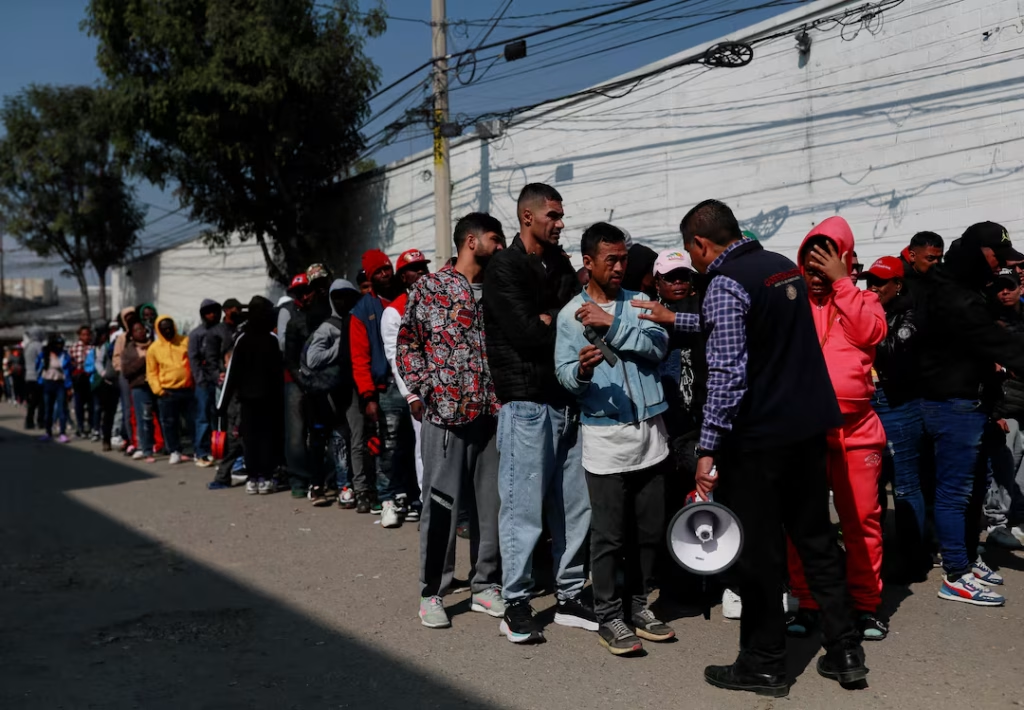
President Donald Trump’s administration has intensified its border policies, declaring a national emergency to bolster troop deployments and tightening immigration measures. The declaration includes controversial moves, such as renaming the Gulf of Mexico to the Gulf of America and threatening significant tariffs on Mexican goods.
Despite these actions, Trump’s renewed “Remain in Mexico” initiative faces resistance. The program requires asylum seekers to stay in Mexico while their U.S. cases are processed—a policy Mexico has not endorsed. This adds another layer of complexity to the already strained U.S.-Mexico relations.
Guatemala’s Role in Deportation Operations
While Mexico pushed back against the use of military aircraft, Guatemala received three deportation flights on the same day, including one commercial charter. Guatemalan officials confirmed the arrivals, accommodating migrants as part of the U.S. deportation framework.
Key Takeaways and Broader Implications
The use of military aircraft in deportations reflects the growing urgency of U.S. immigration challenges. However, Mexico’s firm stance highlights the importance of respecting sovereignty and prioritizing diplomatic negotiations over unilateral actions.
Why This Matters Globally:
- Diplomatic Balance: Mexico’s decision signals its ability to influence U.S. border policies while maintaining collaboration on shared challenges.
- Ethical Concerns: The use of military assets for deportations raises questions about human rights and international norms.
- Regional Cooperation: As migration pressures increase, coordination between the U.S., Mexico, and Central American nations becomes more critical.
What’s Next?
The future of U.S.-Mexico relations will hinge on how both nations navigate these sensitive issues. Will the U.S. adjust its approach to align with Mexico’s conditions? Can Mexico leverage its position to advocate for more humane migration policies?