

Israeli Defense Minister Announces Plans for Mass Departure of Palestinians from Gaza
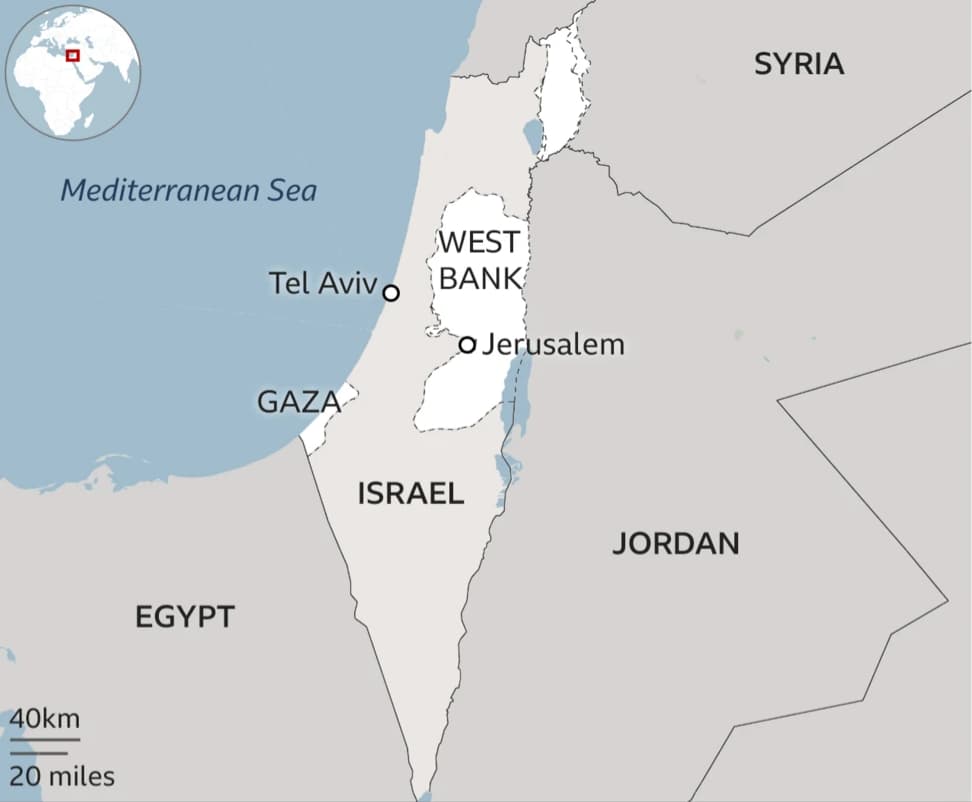
On Thursday, Israeli Defense Minister Israel Katz announced a directive to the military to develop plans facilitating the mass departure of Palestinians from Gaza. This controversial initiative aligns with U.S. President Donald Trump’s recent proposal concerning the future of the war-torn region.
Outline of the Departure Plan
Katz detailed that the plan will explore various options to enable Palestinians to leave Gaza. These include arrangements for exit through existing land crossings, as well as the development of special mechanisms for departures by sea and air. According to Katz, these plans aim to provide logistical support to facilitate the movement of a large segment of Gaza’s population to different destinations worldwide.
The Defense Minister expressed strong support for Trump’s proposal, describing it as a “bold plan” that could potentially reshape Gaza’s demographic and geopolitical landscape. Katz emphasized that this initiative is not just a temporary solution but a strategic move that could redefine regional dynamics. The plan, however, remains vague regarding specific destinations for relocated individuals and the logistical frameworks necessary for such a large-scale operation.
Uncertainty Surrounding the Right of Return
A critical point of concern is the ambiguity surrounding whether Palestinians who leave Gaza will be allowed to return in the future. Katz did not provide clarity on this issue, raising alarm among human rights organizations and international observers. The lack of a clear stance on the right of return is particularly troubling given the extensive damage Gaza has sustained during Israel’s 15-month-long military campaign against Hamas, which has rendered much of the territory uninhabitable.
The humanitarian implications of such a plan are profound. Displacement on this scale would affect not only the individuals forced to leave but also the socio-political fabric of the Palestinian territories. Critics argue that without guaranteed rights of return and comprehensive resettlement support, the plan could lead to long-term statelessness and exacerbate the refugee crisis in the region.
Trump’s Controversial Proposal for Gaza
Earlier this week, President Donald Trump made headlines with his proposal regarding Gaza’s future during a joint press conference with Israeli Prime Minister Benjamin Netanyahu in Washington, D.C. Trump suggested that the United States “take over” the Gaza Strip, effectively asserting American administrative control over the area. He envisioned transforming Gaza into the “Riviera of the Middle East,” with plans for extensive redevelopment and economic revitalization.
Trump’s vision included the permanent resettlement of current residents to other countries, a suggestion that has drawn sharp criticism from numerous quarters. His comments reflect an approach that prioritizes redevelopment and strategic control over the rights and historical claims of the Palestinian population. The proposal has been perceived by many as dismissive of the complex socio-political realities and the deep-rooted connection of Palestinians to their homeland.
Widespread Condemnation from Arab Nations
The proposal sparked widespread condemnation across the Arab world. Nations such as Egypt, Jordan, and Saudi Arabia swiftly voiced their opposition, denouncing the plan as an infringement on Palestinian sovereignty and an affront to regional stability. These countries emphasized the importance of respecting the rights of Palestinians to their land and criticized any initiatives that appear to promote forced displacement under the guise of redevelopment.
Arab leaders highlighted that peace and stability in the Middle East cannot be achieved through unilateral actions that disregard the historical and cultural ties of people to their land. They called for renewed efforts toward a comprehensive peace process that respects international law and the legitimate rights of the Palestinian people.
U.S. Officials Attempt to Clarify Remarks
In response to the backlash, U.S. officials moved to downplay Trump’s remarks. On Wednesday, Secretary of State Marco Rubio, speaking during a visit to Guatemala, clarified that any potential relocation of Gaza’s residents would be temporary. Rubio stated, “The only thing President Trump has done – very generously, in my view – is offer the United States’ willingness to step in, clear the debris, and clean up the destruction on the ground.”
Rubio emphasized that interim living arrangements would be necessary while reconstruction efforts are underway. He suggested that the U.S.’s involvement would focus primarily on humanitarian assistance and rebuilding infrastructure, rather than permanent resettlement or governance of Gaza.
Conclusion
The announcement by Israel’s Defense Minister and Trump’s corresponding proposal have ignited intense debate both regionally and internationally. The plans raise significant ethical, legal, and humanitarian concerns, particularly regarding the rights of displaced Palestinians and the long-term implications for peace in the Middle East. As the situation develops, the international community will likely continue to scrutinize these proposals, advocating for solutions that prioritize human rights and sustainable peace.