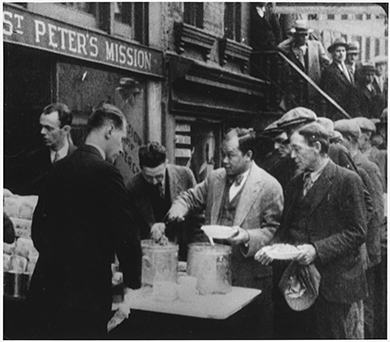

Flashbacks
Amid the protectionist policies adopted by the United States under President Donald Trump, discussions about the Great Depression or the major economic catastrophe of the last century, have resurfaced strongly.
While some Americans believe that imposing broad tariffs will benefit their country’s economy, others have reacted with deep pessimism, recalling what happened over ninety years ago when everything suddenly collapsed.
The Roaring Twenties
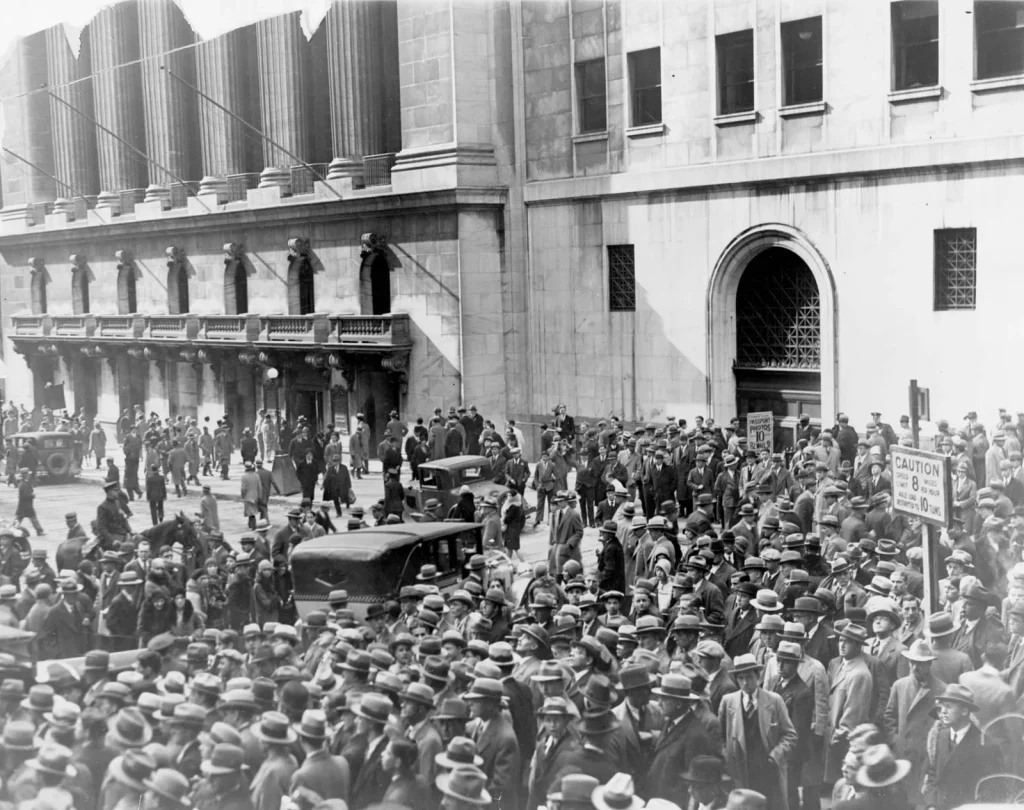
In the 1920s, the U.S. experienced rapid economic growth. Industries flourished, and stock prices soared. However, this prosperity was built on shaky foundations, including rampant speculation and easy credit. This bubble burst in October 1929, leading to the infamous stock market crash. In 1930, the U.S. government enacted the Smoot-Hawley Tariff Act, imposing high tariffs on over 20,000 imported goods to protect domestic industries. Other nations retaliated with their own tariffs, leading to a significant decline in international trade, approximately 65% between 1929 and 1934. This escalation deepened the global economic downturn.
Protectionism in 2025: Repeating History?
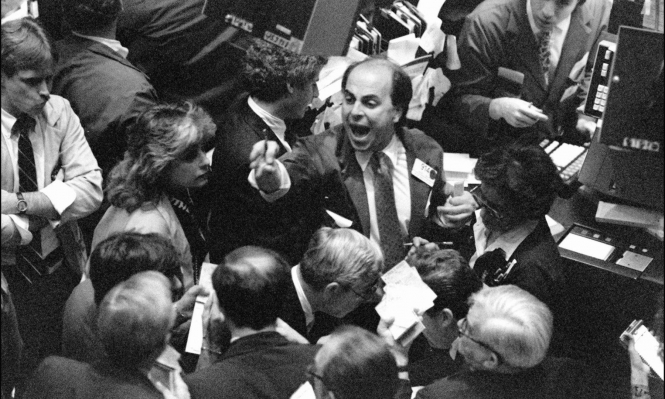
Economists warn that such protectionist measures could ignite trade wars, disrupt global supply chains, and potentially trigger a recession, drawing parallels to the aftermath of the Smoot-Hawley Act. The current tariffs have strained international relations and unsettled global markets. Nations affected by U.S. tariffs are considering countermeasures, raising concerns about a cycle of retaliation reminiscent of the 1930s. This situation underscores the delicate nature of international trade and the risks of protectionist policies.
The Importance of Open Trade
The Great Depression demonstrated the dangers of isolationist economic policies. As the world faces similar challenges today, it’s crucial to remember that fostering open and fair trade can promote economic stability and growth, while protectionism may lead to unintended and detrimental consequences.