
Apple Faces a Major Crisis Under Trump’s New Tariffs
Trump’s Tariff Storm Hits Apple Hard
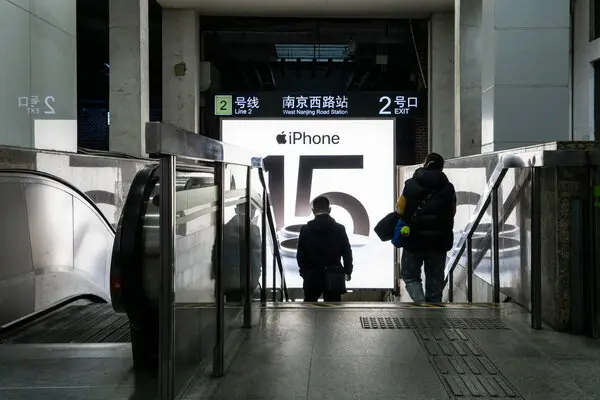
Apple is now caught in a difficult position following President Trump’s newly announced wave of aggressive tariffs on Chinese imports. Starting this Wednesday at midnight, the minimum tariff on Chinese goods is expected to jump to a staggering 104%. That includes iPhones, most of which are still manufactured and assembled in China.
This move dramatically affects Apple, as the company relies on complex global supply chains that keep costs down and profit margins high. With the new tariffs in place, Apple’s cost of manufacturing and shipping iPhones from China could rise by up to 45%, drastically cutting into its profit.
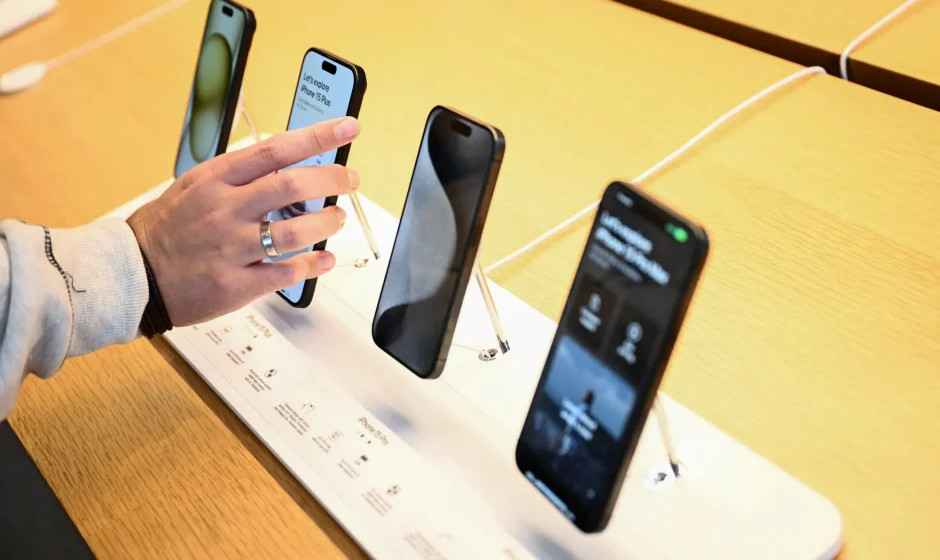
Let’s take the iPhone 16 as an example. It currently costs Apple around $550 to $600 to manufacture, while it’s sold at about $1,100 — yielding a profit of over $500 per device. But with tariffs in place, that same phone might now cost $800 or more to produce and ship, eroding much of Apple’s profit.
Additionally, the cost of assembling iPhone components in China is only about $30, according to industry estimates. However, if Apple were to shift assembly to the U.S., the cost could jump significantly, potentially tripling — making domestic assembly an expensive alternative rather than a solution.
Supply Chain Under Threat
The iPhone has long symbolized the power of globalization. It’s designed by high-paid teams in California but assembled in Asia using components sourced from all over the world. While Apple has taken steps to diversify its supply chain by expanding operations in India and Vietnam, both countries were also targeted by Trump’s broader tariff plan, offering little relief. Regardless of where assembly happens, most critical components still rely on a global network.
The big question now: Will Apple absorb the rising costs, or pass them on to consumers?
Some analysts estimate that a $1,000 iPhone could see a price increase of at least $250 if tariffs persist. And if that happens, Apple risks pushing away potential buyers — especially in a market already showing signs of saturation and slowing upgrades. Analysts believe that if prices go up, many consumers might delay upgrading, especially in September, when Apple is expected to unveil three new iPhone models.If production costs continue to rise and no workaround is found, some fear that Apple may eventually be forced to price premium models at around $2,000
so
As Trump pushes for what he calls an “economic revolution,” dismantling global supply chains, Apple and and the broader tech industry now face an uncertain future. Whether consumers are willing to pay significantly more for their beloved iPhones remains to be seen. What’s certain is that Apple is under pressure like never before and the decisions it makes in the coming months could redefine the smartphone market.
would you still buy the new iphone?