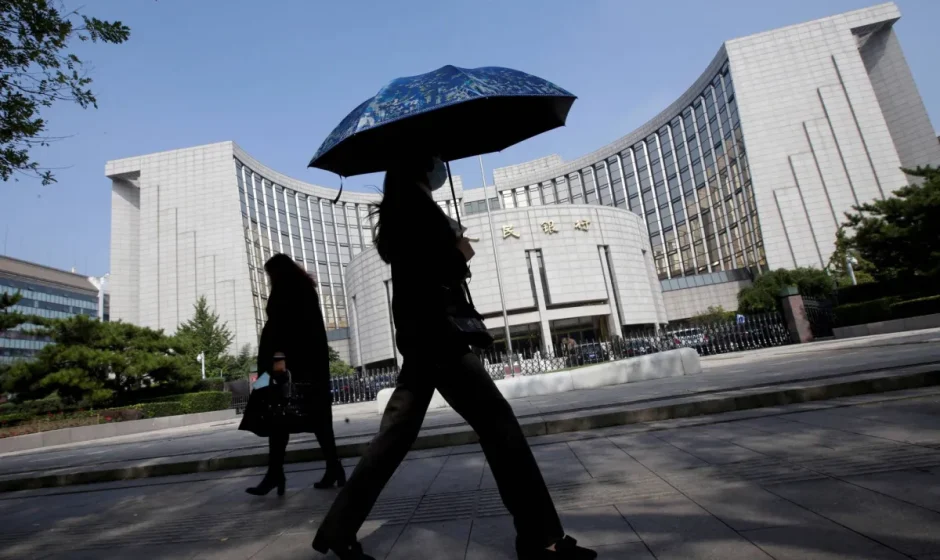

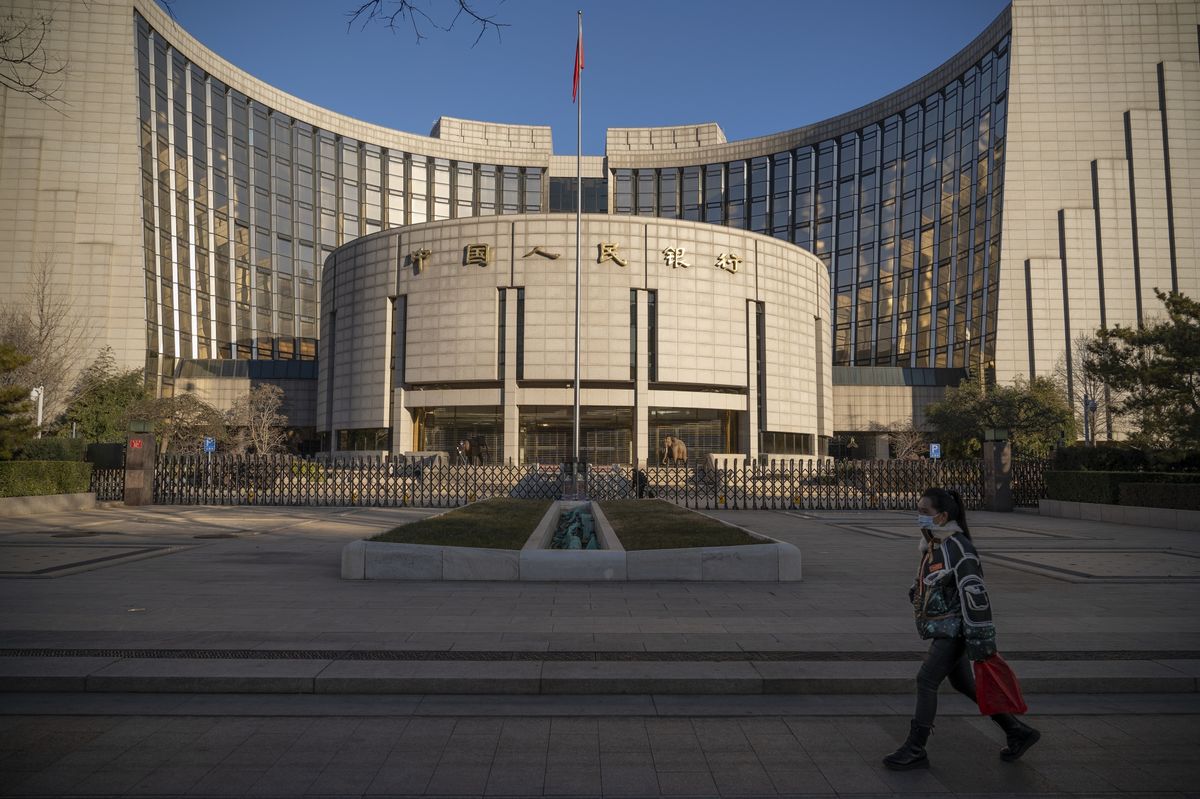
According to sources cited by Reuters, the People’s Bank of China has decided against immediately devaluing the yuan in response to the latest round of U.S. tariffs, citing informed sources, revealed that the People’s Bank of China has no immediate plans to sharply devalue the yuan in response to the latest U.S. tariffs .The report, also noted that the Chinese central bank is taking more measured steps instead.
Instead, the central bank is reportedly directing major state-owned banks to reduce the buying rate of the U.S. dollar and to curb dollar purchases, in an effort to stabilize the local currency. The central bank has instructed major state-owned banks to scale back their U.S. dollar investments and reduce dollar purchases. These moves are part of broader efforts to stabilize the yuan without triggering financial instability.
Beijing Criticizes U.S. Vice President’s Remarks as ‘Ignorant and Disrespectful’
In a strong statement, China vowed to take firm and decisive measures in retaliation against the newly imposed U.S. tariffs, while also calling for an “equal and respectful dialogue” to resolve the ongoing trade tensions. Spokesperson for China’s Ministry of Foreign Affairs condemned recent remarks made by U.S. Vice President JD Vance, describing them as lacking both understanding and respect. The comments, aired by CGTN, have sparked backlash across Chinese media. Vice President Vance had harshly criticized the global economic model, which he said relies on “borrowing money from Chinese farmers to buy products made by those same farmers.” His comments, made in defense of President Trump’s tariffs, were widely seen in China as insulting and provocative, further straining bilateral ties.
The central bank has also urged these banks to enhance oversight and verification of customer transaction orders, signaling tighter control over foreign exchange activities during this period of economic pressure.