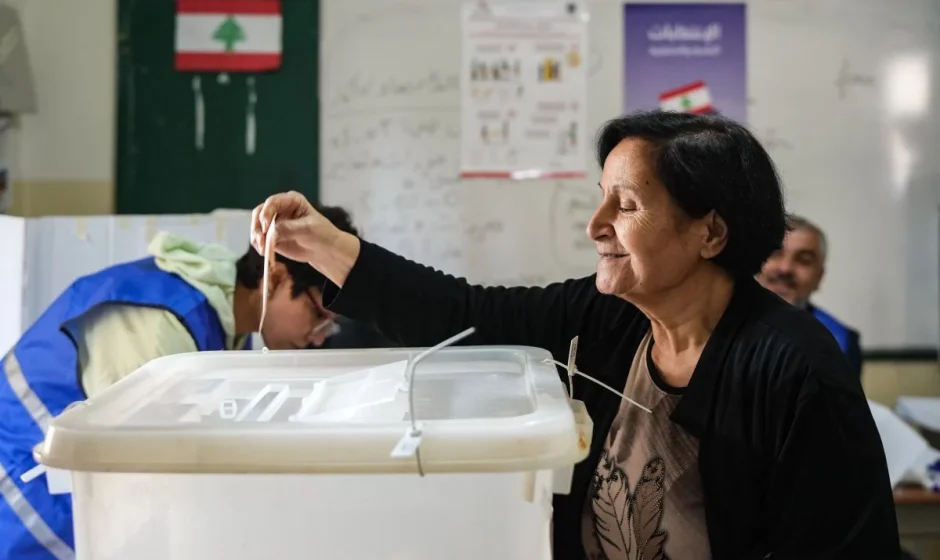

After 9 years of crisis and delays the lebanese have finally voted to municipal coucils and moukhtar under the superbision of president Joseph Aoun In Beirut, the President inspected security measures at the Ministry of the Interior and heard directly from citizens through a dedicated hotline, reassuring them that the state would ensure a free and fair vote .Lebanon headed to the polls on Sunday in a widely watched round of municipal and mayoral elections, marked by relative calm, high emotions, and a renewed spotlight on the role. From minor logistical issues to celebratory victories, the day reflected both the energy of grassroots participation and the ongoing challenges faced by municipalities seeking real authority.
Smooth Voting Process
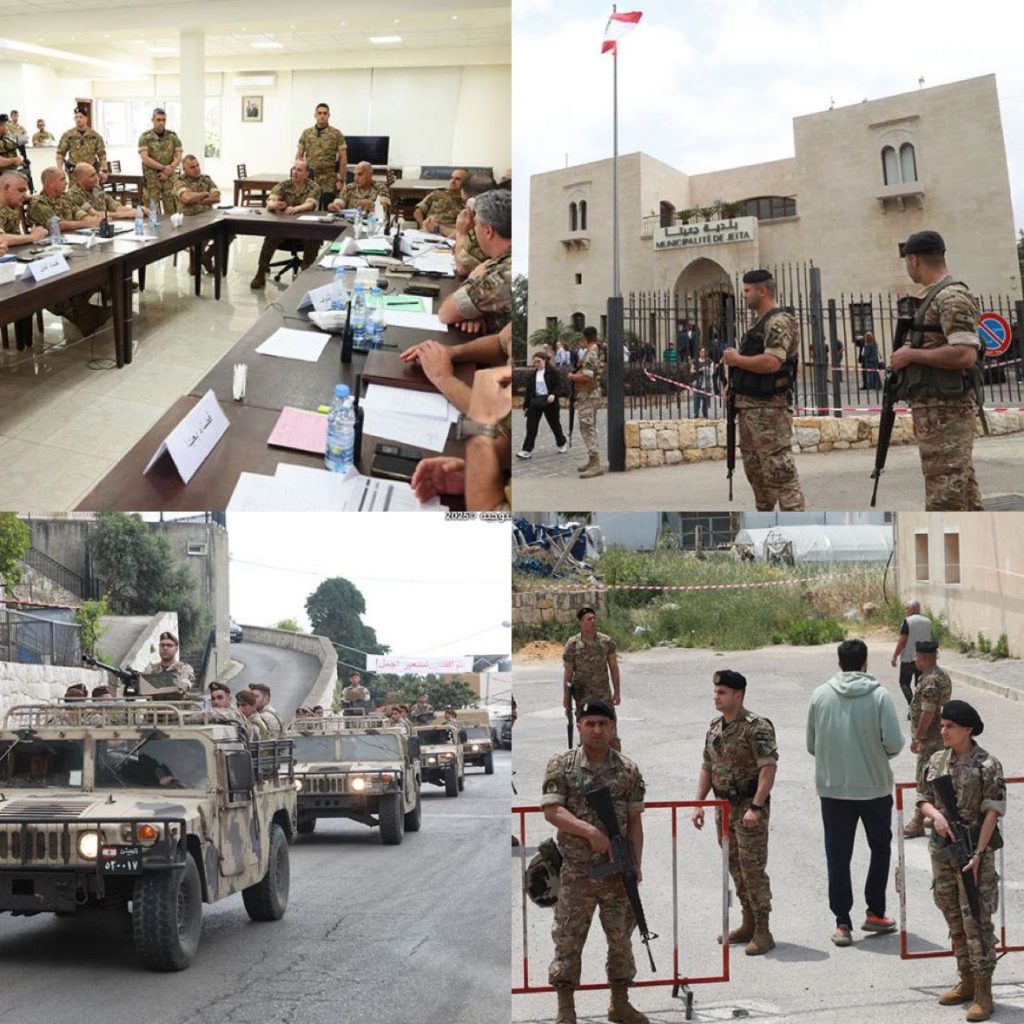
The Ministry of Interior reported a total of 287 complaints filed during the municipal and mayoral elections. Only 11 were security-related, and most were resolved promptly. The Central Operations Room confirmed that the majority of issues were administrative and considered minor, such as shortages in voting materials, which were being addressed throughout the day. All polling stations remained open and under closed monitoring, with voting concluding at 7 p.m. and turnout rising steadily into the evening.
President Michel Aoun paid a symbolic visit to Tele Liban, expressing appreciation for the national broadcaster’s role during election coverage, noting:
“The work you are doing is significant and effective, despite limited resources, and it is met with appreciation and trust.”
He emphasized the importance of Tele Liban as a public institution and reaffirmed support for its mission. At the same time, Minister of Interior personally oversaw the operations from the Central Operations Room, ensuring transparency and rapid response to any issues, as real-time updates on voter turnout and complaints were being handled and communicated to the public. Meanwhile, the Army Commander toured the Operations Room in Mount Lebanon, highlighting the military’s continued role in securing the democratic process and ensuring peaceful conditions across the region.
The distribution by district was as follows:
Voter turnout in Mount Lebanon reached 44.15%
Keserwan: 59.40%
Aley: 41.51%
Jbeil: 56.70%
Baabda: 38.29%
Northern Metn: 37.91%
Chouf: 44.82%
Celebrations and Political Victories
The evening also brought moments of joy and triumph. The electoral machine of the ‘Jbeil Ahla’ list proudly announced a full victory, securing all available municipal seats in Jbeil.
In Jounieh, celebrations filled the headquarters of the Nahdet Jounieh list, which is supported by Neemat Frem, Fouad Boune, Farid El Khazen, the Kataeb Party, and the Lebanese Forces.
Over in Jdeideh, Bouchrieh, and Sadd, MP Ibrahim Kanaan reflected on a hard-fought win, stating:
These areas managed to reclaim their decision to preserve their land and identity. I was part of a battle led by the people of the region, and the elected list will represent everyone even those who lost.”
Notably, in the Mount Lebanon Governorate, 70 out of 333 municipalities and 187 mayors were elected unopposed, reflecting political consensus or low competition in certain areas.
In The End
The 2025 municipal elections offered a moment of civic participation and pride for many Lebanese citizens. But they also highlighted the deep structural limits of Lebanon’s local governance system. As communities celebrate victories and new mandates begin, the bigger question looms: Will Lebanon finally give its municipalities the independence they need to thrive? All eyes now turn to Beirut, where the real battle is set to unfold on May 11.
- Check more about results on official web!