
Cabinet Orders and Rising Anger
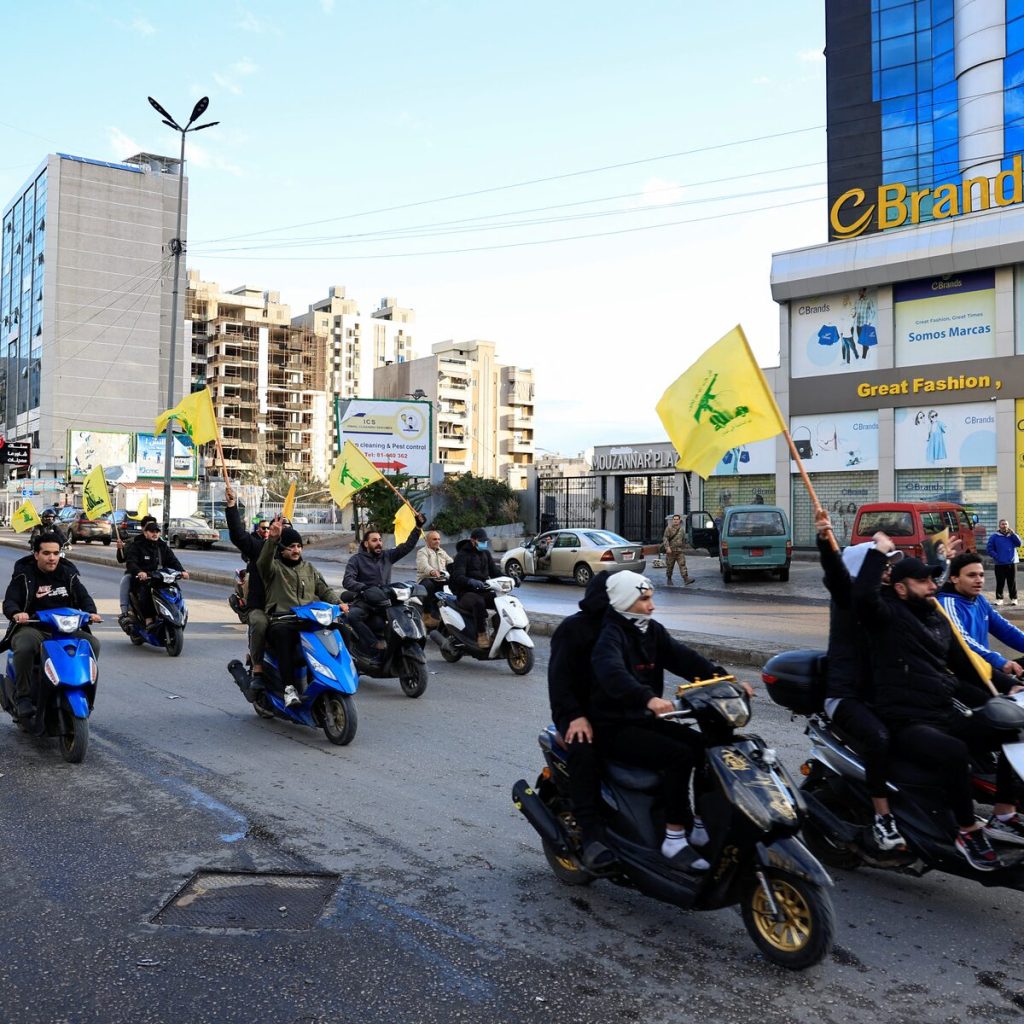
Lebanon’s Cabinet announced that only the state military will carry weapons. The army must draw up a plan by August’s end to take control by year’s end. This shocked many especially Hezbollah and its allies, who walked out in protest and called the decision a “grave sin,” accusing the government of bowing to foreign pressure
Why Closing Roads Hurts So Much
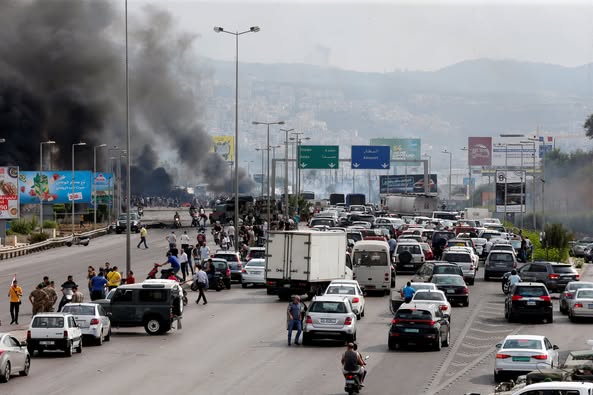
One morning, life in Beirut flows normally Then messages pop up: “Roads are blocked.” Suddenly, everything stops. It’s a familiar scene, but it never feels normal. Lebanese roads are more than concrete they keep the country alive. Block them, and the country stalls. Students can’t reach school. Workers stay home. Ambulances wait. It’s not just an inconvenience it reminds us how fragile our daily lives really are.
The Civil War Ghost in Every Jam
When streets are cut, the scars of the civil war resurface the checkpoints, invisible borders, mistrust between communities. People ask themselves: “Is this the start of something worse?” Fear spreads faster than traffic, rooted in memories that never fade.
Protest or Punishment?
Some see roadblocks as the last tool for the powerless to be heard. Others say it’s innocent bystanders who pay the price drivers, patients, children. Either way, tensions rise and trust breaks down.
Lebanon’s streets carry too much history to ever be neutral. Burning tires, barricades, blocked highways these are not just protests. They are symbols of wounds that run deep. Every time roads turn into weapons, the risk of igniting old conflicts grows.
Choosing Another Way Forward
If we want a different future, we need to use our voices, not our streets, as tools. Lebanese authorities are now taking back control and making it clear that blocking streets to paralyze the country is no longer acceptable. Change is happening maybe slowly, but it is real. The future depends on using dialogue and action, to build a stronger Lebanon.