
50 Years Later, We’re Still Paying the Price
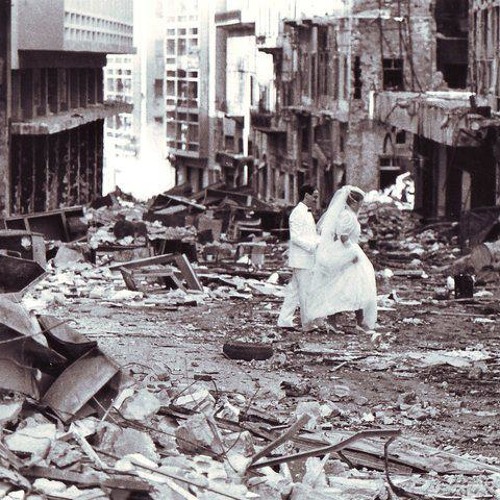
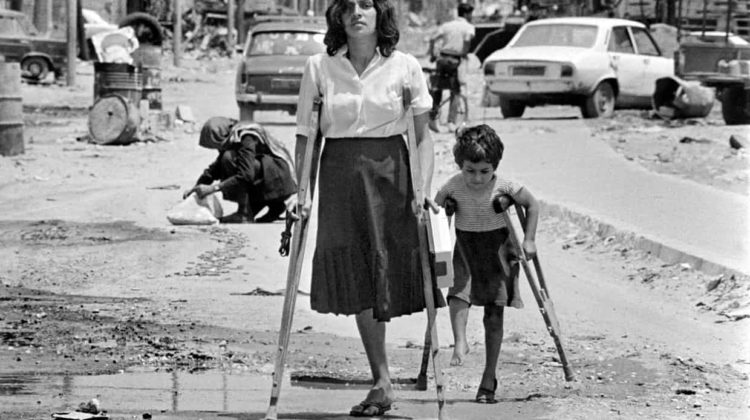
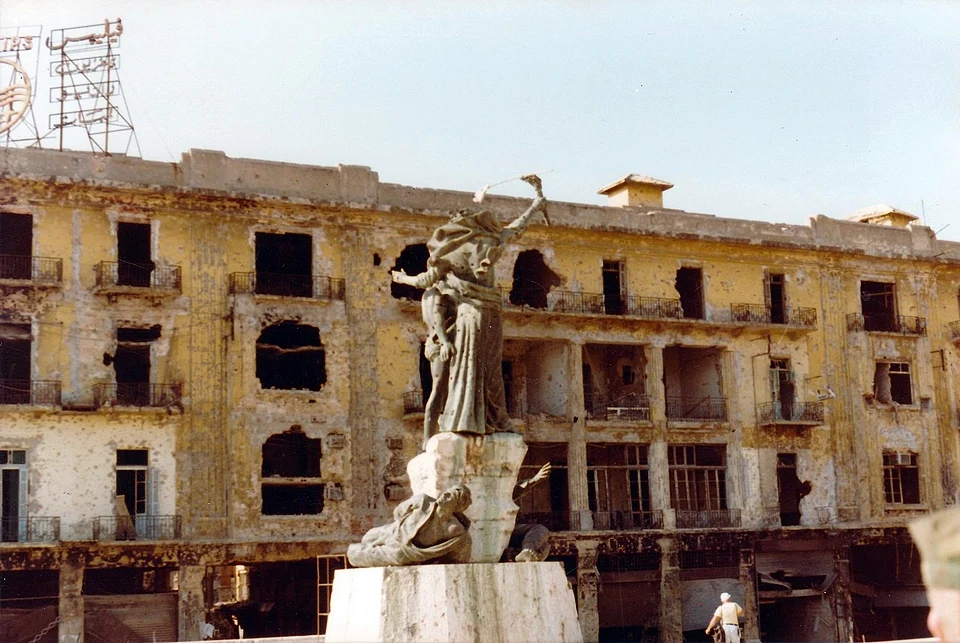
On the 50th anniversary of the end of the war, one we’re still paying the price for, We decided not to speak from a historical, analytical, or narrative perspective. Most of us already know the events, and tired of hearing the details. Today, 90% of The Lebanese either weren’t alive during the war or was too young to remember it. In a few years, a new generation will grow up with no direct memory of the war. They won’t use words like checkpoints, abductions, radio news, Palestinian camps, displacement, shelters, snipers, East and West Beirut. For many Lebanese, the opposite of war isn’t peace, it’s just a “pause.” A pause we all know could be followed by another war, or something similar. But what makes this particular war unique is that it never really ended.
The War That Became a Ghost
The war didn’t die, it turned into a ghost.
It doesn’t belong fully to the past or the present.
Its “heroes” were either assassinated or faded after it, but their successors still rule us. There’s no more East and West Beirut, but areas are still divided by sect or party, and “our area/their area” still exists. There are no real snipers anymore, but the trauma of snipers lingers. There are no more checkpoints, but buildings and neighborhoods still tell stories from that time.
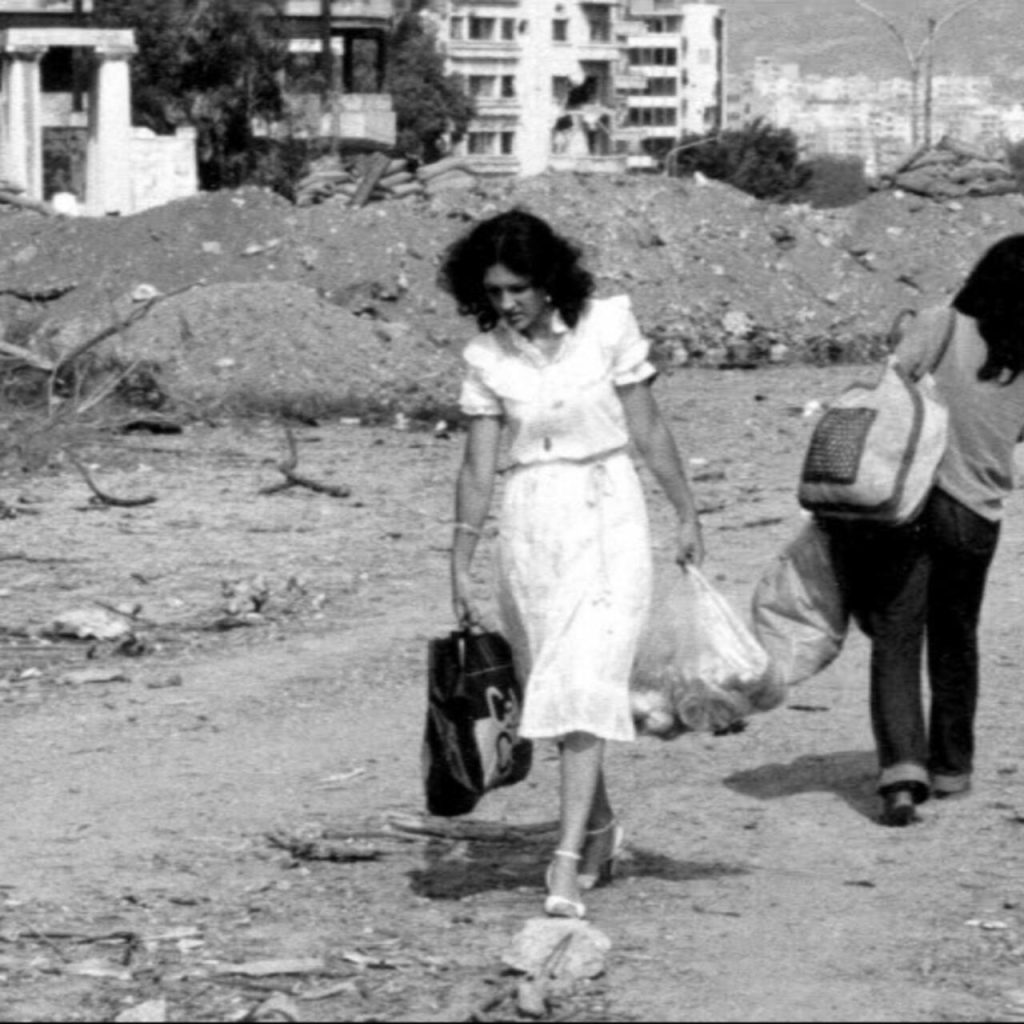
So what does it mean to live with a ghost?
It means living between the past and the present.
It means not knowing if you’ve forgotten, if you just don’t want to remember or maybe someone’s trying to make you forget a.k.a whitewash the crimes that were committed. Reconstruction, reconciliation, general amnesty, return of the displaced, foreign guardianship, power-sharing—these were all attempts to prevent the war from returning. But they were stillborn attempts.
From Occupation to Collapse
This year’s anniversary also comes alongside the 20th anniversary of the Syrian army’s withdrawal, and just months after the collapse of the regime that was the godfather of the war. Today, It doesn’t matter anymore who supported the Syrian guardianship, who allied with Israel, or who carried out assassinations.
What matters is this: “Let it be remembered, but never repeated.” And that only happens through collective awareness, about why the war started and why it never really ended.
Who were the parties? How did it start? What were its consequences?
That awareness has to come through the new generation.
Small Steps Toward a Bigger Conversation
The good news is:
This year, President Joseph Aoun addressed the Lebanese people with a video message on the 50th anniversary of the civil war, And This is a part of what he said:
“Today, on this very day, I speak to you with honesty and directness, on the eve of fifty years since this infamous war began. Fifty years… It means that those born at the start of the war have now lived more than half a century in fear, stagnation, and missed potential. It means that those who once carried candles of hope and protested in the streets in 1976 are now in their seventies, many of whom may have never once truly chosen what Lebanon they wanted to live in.
Two full generations have lived and aged in the shadow of this war. They grew up with its losses, its disillusionment, and its ghosts. They inherited a homeland still wounded, still searching for itself. For those who died—Lebanon died with them, over and over again.
On this day, I call on all Lebanese to remember, not just with sorrow, but with responsibility. To teach, to talk, to face the truth. Because remembering is not enough if we do not change. Let this be the generation that breaks the cycle…”
Also Prime Minister Nawaf Salam took part in a moment of silence in Martyrs’ Square to mark the anniversary. And The Minister of Education also called on schools to dedicate classes to awareness and discussion around the memory of the war.
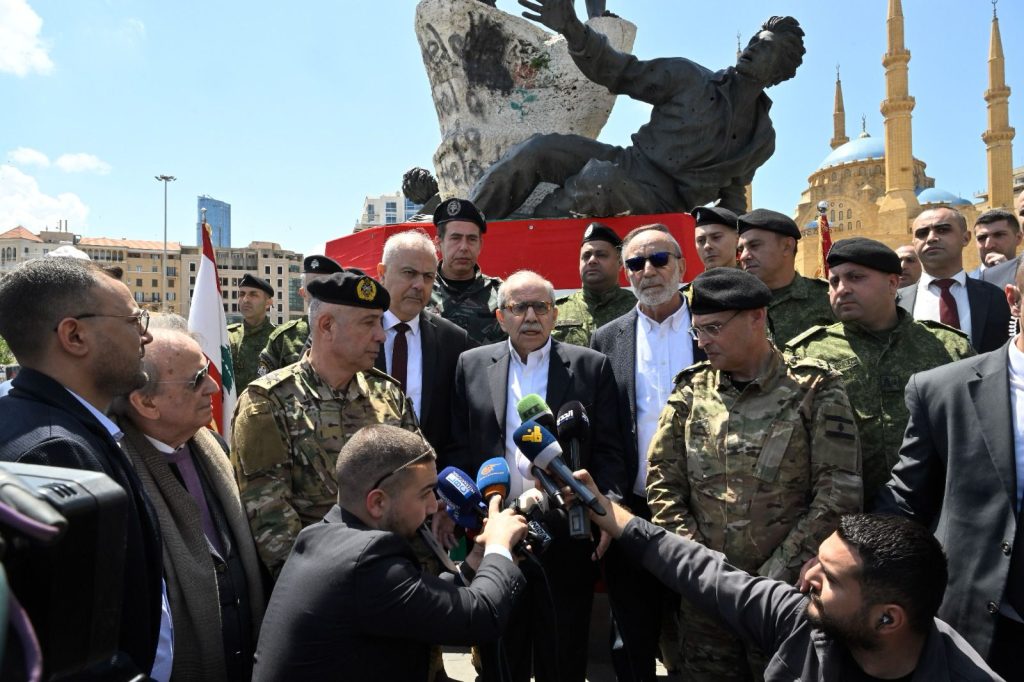
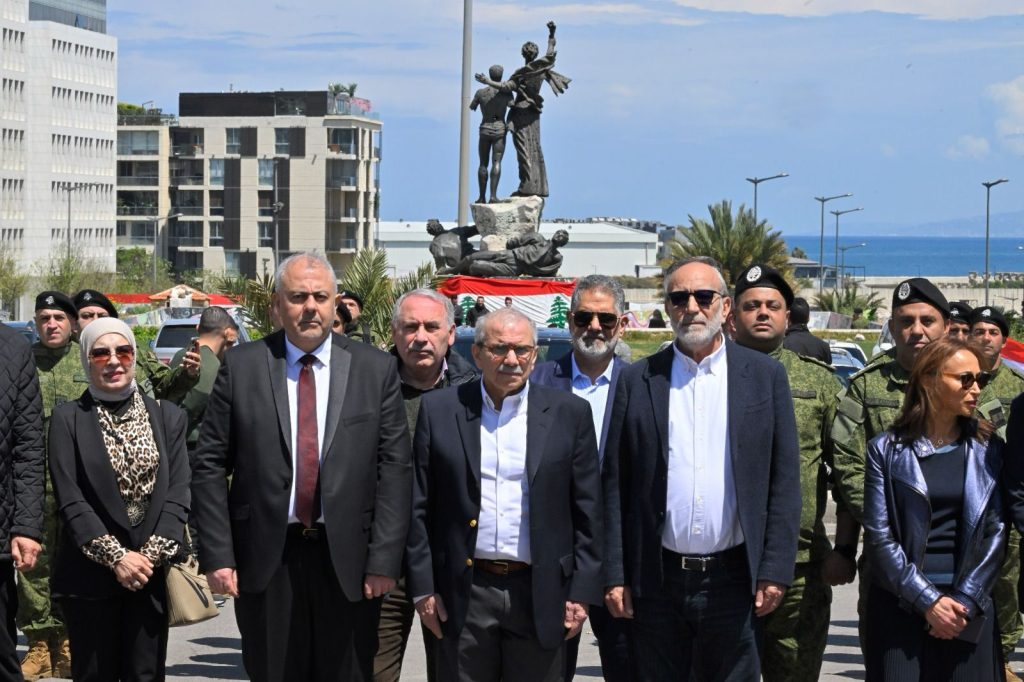
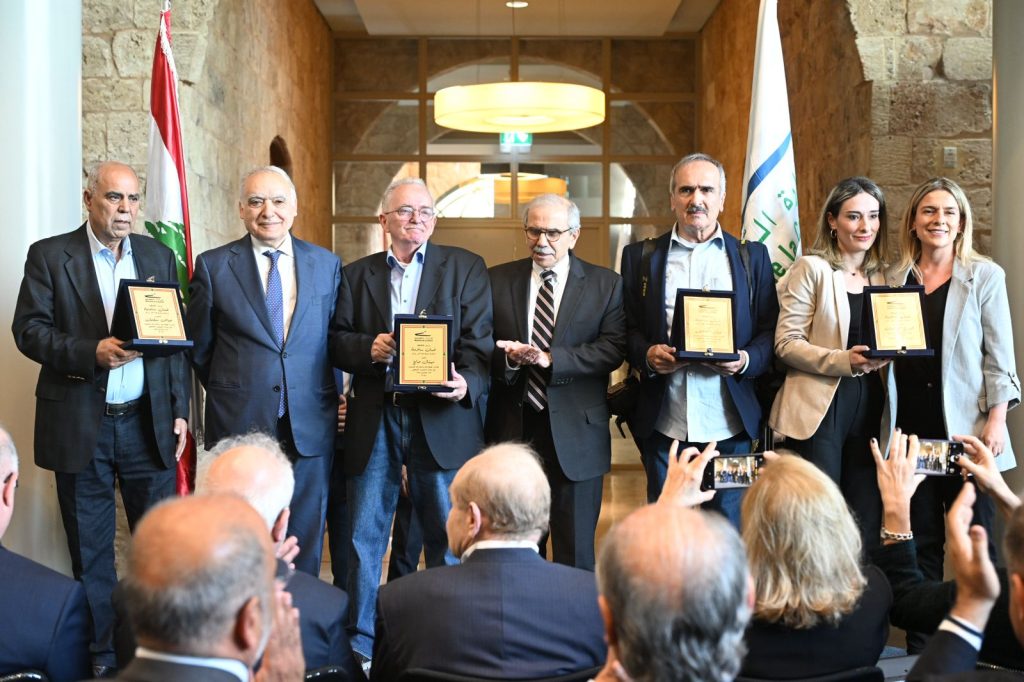
These are positive steps—but what’s needed is repetition.
Not just remembrance. What’s needed is education, discussion, accountability, and honest confrontation between all political parties. Everyone must take responsibility for their actions.
So now I ask you:
What do you know about this war?
And how do you think we can finally move past it?
Recommended Movie: