
Historic #MeToo Verdict in France
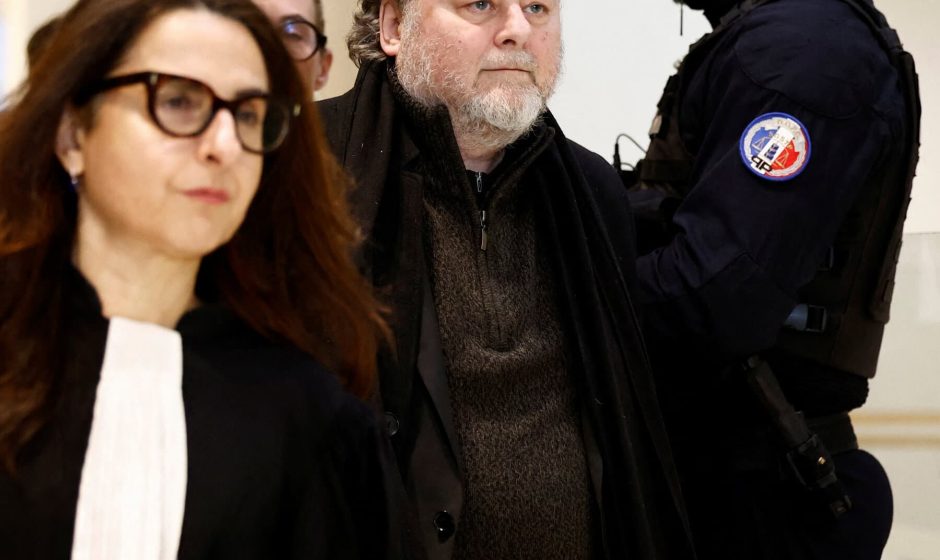
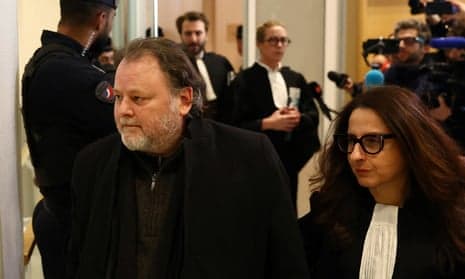
In a landmark case for the French #MeToo movement, film director Christophe Ruggia has been convicted of sexually assaulting actress Adèle Haenel when she was a minor. The ruling, delivered by a Paris court, marks one of the most significant legal victories for victims of abuse in the French entertainment industry.
Sentencing and Legal Consequences
Ruggia, now 58, was sentenced to four years in prison, with two years suspended. However, rather than serving time behind bars, he will be under house arrest for two years, monitored by an electronic bracelet. In addition to his sentence, the court ordered him to pay €15,000 in damages to Haenel and €20,000 to cover the cost of her psychological treatment. Despite the conviction, Ruggia maintains his innocence and has vowed to appeal the verdict.
Adèle Haenel’s Harrowing Testimony
Haenel, now 35, publicly accused Ruggia in 2019, revealing that he had subjected her to repeated inappropriate touching and sexual harassment between 2001 and 2004. At the time, she was between 12 and 15 years old and was working on Ruggia’s film Les Diables (The Devils). She described how Ruggia’s behavior made her feel trapped and powerless, affecting her long after the alleged abuse ended.

Ruggia’s Denial and Defense Strategy
Throughout the trial, Ruggia consistently denied the allegations, claiming that his relationship with Haenel was merely that of a mentor and a protégé. His legal team argued that her accusations were exaggerated and that there was no concrete evidence of sexual assault. Nevertheless, the court found her testimony credible, backed by witness statements and behavioral analyses.
A Major #MeToo Win for France
The case has been widely regarded as a turning point for the French #MeToo movement, which has been slower to gain momentum compared to the United States. France’s film industry has long been criticized for protecting powerful men accused of misconduct, and this ruling is seen as a rare instance of justice being served. Haenel herself has been a vocal critic of the industry’s handling of sexual abuse, famously walking out of the 2020 César Awards in protest when director Roman Polanski, a convicted sex offender, won Best Director.
Industry Reactions and Public Outcry
Haenel’s case has reignited discussions about the culture of silence surrounding abuse in French cinema. While some industry figures have expressed support for her, others have remained conspicuously quiet. Many have drawn comparisons to the Hollywood #MeToo movement, questioning whether this verdict will truly signal a shift in the French entertainment world’s tolerance for predatory behavior.
What’s Next?
With Ruggia set to appeal the decision, the legal battle may not be over. However, Haenel’s courage in coming forward has already changed the conversation around abuse in the film industry. Her decision to speak out publicly has encouraged other survivors to share their own experiences, fostering a growing movement of accountability within French cinema. This case, regardless of the final outcome of the appeal, stands as a significant moment in the fight against sexual abuse and harassment in the entertainment industry. The ruling has sent a powerful message that survivors will no longer be silenced and that the industry must address its past failings.
Legal experts suggest that Ruggia’s appeal could take months or even years to resolve, potentially prolonging Haenel’s emotional battle for justice. Meanwhile, activists continue to pressure film organizations and authorities to implement stricter protections against abuse, ensuring that young actors are not put in vulnerable situations. The verdict has also sparked debates about the broader culture of impunity in the French film industry, with many calling for systemic reforms to prevent future cases of exploitation.
This case has already set a precedent, and regardless of the appeal’s outcome, it will likely have long-lasting effects on how abuse cases are handled in the entertainment sector. Survivors are speaking out, and the industry is being forced to reckon with its past. Whether or not justice is fully served in this instance, the shift toward greater accountability is undeniable.