
Stocks End in the Red Amid Tariff Chaos
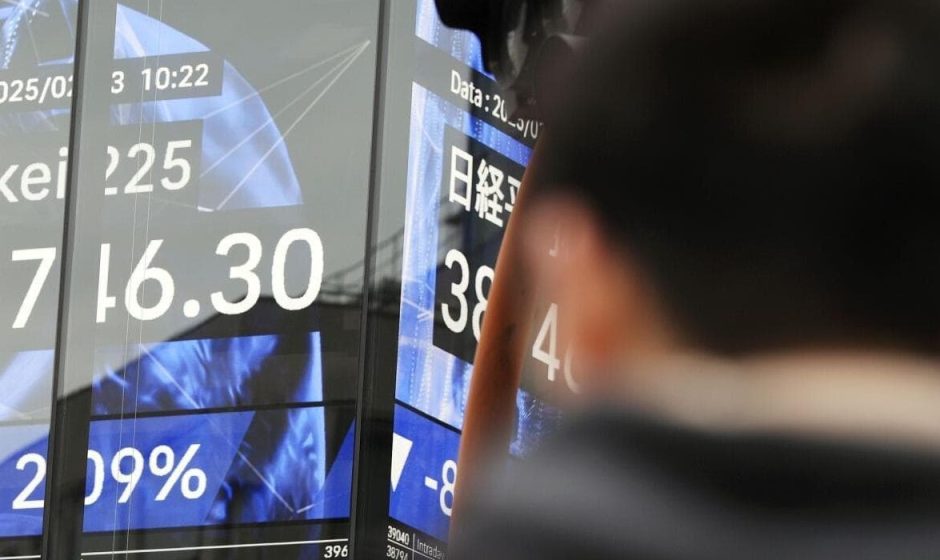
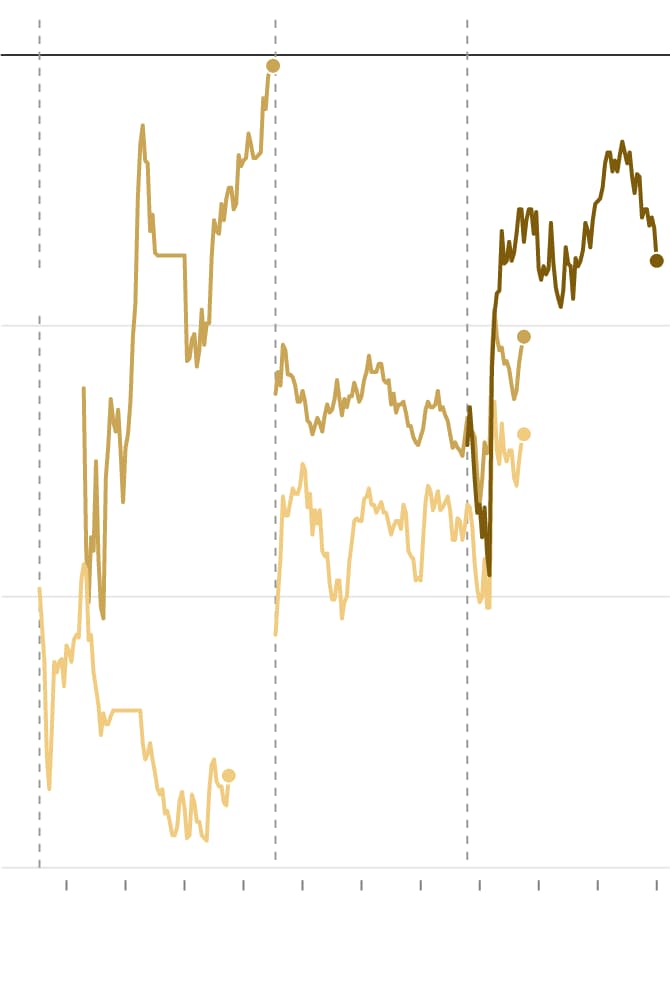
The major stock indexes closed lower on Monday, struggling to recover from earlier steep losses as volatility gripped the markets. Investors were rattled by U.S. President Donald Trump’s aggressive tariff moves, which sent shockwaves through Wall Street and triggered a sharp selloff. While Trump eventually delayed imposing tariffs on Mexico after securing commitments for stricter border enforcement, the uncertainty had already taken its toll on investor confidence. Many market participants feared that escalating trade tensions could further weaken global economic growth and disrupt supply chains. As concerns over trade policy linger, markets remain on edge, with analysts warning that continued uncertainty could lead to further declines in stock prices.
Trump’s Tariff Gamble Shakes Markets
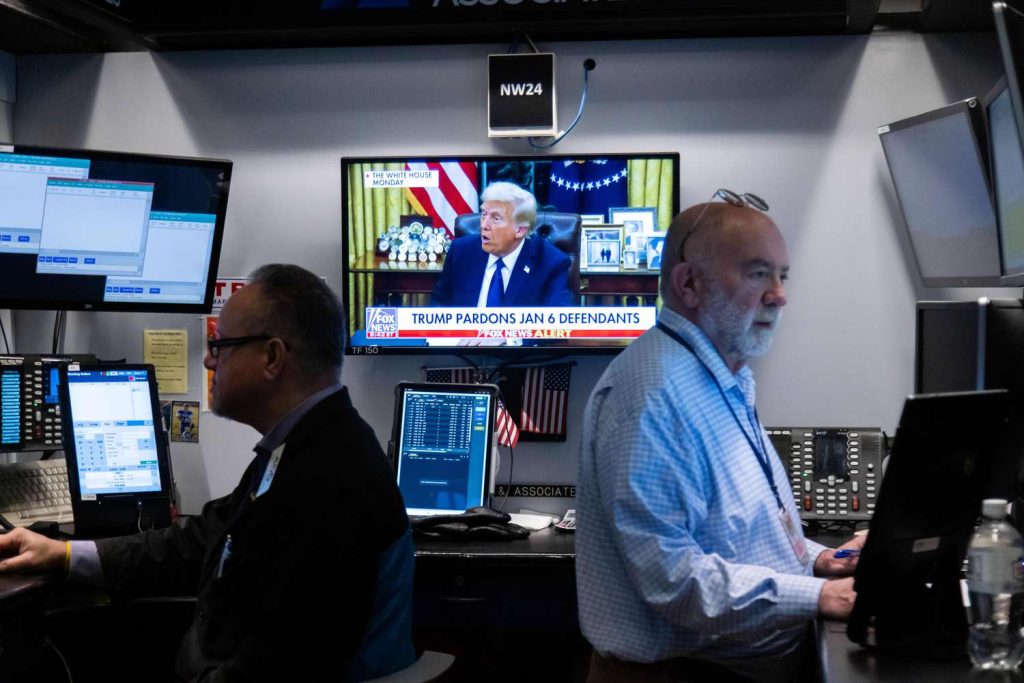
Trump’s weekend announcement of new tariffs—25% on imports from Mexico and Canada and 10% on Chinese goods—sent shockwaves through global markets. Although he later granted Mexico a one-month reprieve, the message was clear: tariffs are here to stay. “Trump has been really serious that tariffs are going to be a primary tool to achieve a number of different things,” said Carol Schleif, Chief Investment Officer at BMO Family Office. Analysts at Citi warn that prolonged tariffs could push markets further down while driving inflation higher.
Wall Street Reacts: Stocks and Sectors Under Pressure
The Cboe Volatility Index, commonly known as Wall Street’s “fear gauge,” surged to its highest level in a week before easing slightly, signaling heightened investor anxiety. As uncertainty loomed over global trade policies and economic growth, investors rushed to seek refuge in traditional safe-haven assets. Gold prices soared, with spot gold reaching an all-time high as demand surged, while U.S. Treasury yields edged lower, reflecting the market’s risk-averse sentiment. The flight to safety underscored growing concerns that prolonged trade disputes and geopolitical tensions could lead to further market instability, prompting investors to brace for more volatility in the weeks ahead.
Earnings Reports and Economic Data Provide a Silver Lining
Despite the broader market turmoil, some companies managed to deliver upbeat earnings results, providing a silver lining for investors. Tyson Foods saw its stock rise after raising its annual sales forecast, signaling strong consumer demand and operational efficiency. Similarly, IDEXX Laboratories surged following better-than-expected fourth-quarter earnings, bolstered by strong demand for its veterinary diagnostics products. In a positive economic development, U.S. manufacturing posted its first expansion in over two years, defying concerns about slowing industrial activity. This unexpected growth offered a glimmer of hope amid the ongoing trade tensions, suggesting that certain sectors of the economy may prove resilient despite global uncertainties.
Conclusion: A Volatile Road Ahead
With uncertainty surrounding tariffs, inflation concerns, and rapid technological disruptions, the stock market faces a challenging and unpredictable road ahead. Investors should brace for continued volatility as trade tensions, shifting economic policies, and evolving global markets create an increasingly complex financial landscape. The threat of prolonged tariffs continues to weigh on corporate earnings and consumer prices, while inflationary pressures add another layer of concern for both businesses and households.
Meanwhile, advancements in technology are reshaping industries at an unprecedented pace, driving innovation while simultaneously disrupting traditional business models. Companies across various sectors are under increasing pressure to adapt to emerging trends such as artificial intelligence, automation, and digital transformation, or risk losing their competitive edge. At the same time, geopolitical uncertainties and shifting regulatory landscapes add further complexity to the economic outlook. For now, market stability remains elusive, with investors closely watching for signals from policymakers. The next moves in trade negotiations, interest rate decisions, and economic stimulus measures could significantly impact investor sentiment and dictate the market’s trajectory in the coming weeks, shaping the future of global financial markets.