
Trump Avoids Trade War with Canada and Mexico
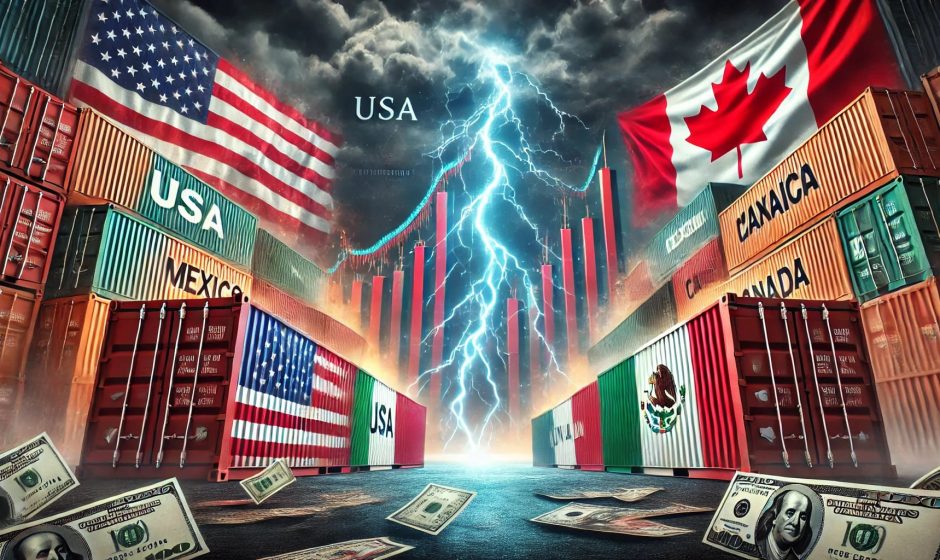
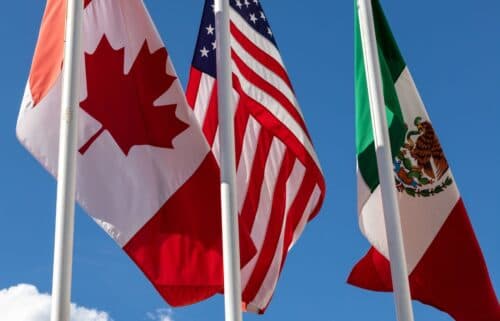
Last week, President Trump managed to avoid a trade war with Canada and Mexico. After months of tough talks, the three countries agreed on a new trade deal called the United States-Mexico-Canada Agreement (USMCA). This deal replaces the old NAFTA agreement and aims to make trade between the countries fairer and more modern. By avoiding a trade war, the U.S. has kept its strong economic ties with these important neighbors, which is good for jobs and businesses in all three countries.
The USMCA: A Big Win for American Workers
The new USMCA deal is being called a win for American workers and industries. One of the biggest changes is that cars and trucks will now need to be made mostly in North America to avoid extra taxes when traded between the U.S., Canada, and Mexico. This is expected to bring more manufacturing jobs back to the U.S. The deal also includes better rules for things like digital trade and protecting ideas and inventions. Overall, the USMCA shows that the U.S. can work with its neighbors to create fairer trade while helping American workers.
Trade War with China Heats Up
While progress was being made in strengthening trade relations with Canada and Mexico through the new USMCA agreement, the trade conflict with China escalated significantly, creating new tensions and uncertainties in the global economic landscape. The U.S. announced new taxes on 200 billion worth of Chinese goods like electronics ,furniture ,and other products. These taxes are on top of earlier ones the U.S . The move is part of President Trump’s effort to pressure China into changing what he calls unfair trade practices. However, it has also raised tensions between the two countries, worrying businesses and investors around the world.
Why Is the U.S. Taking a Tough Stance on China?
The U.S. has been unhappy with China for a long time over issues like trade imbalances, stolen technology, and forced sharing of business secrets. The Trump administration believes that China has taken advantage of the global trading system, hurting American companies and workers. By adding these new taxes, the U.S. hopes to push China to make changes, like lowering its trade barriers and stopping unfair practices. But some experts worry that this approach could hurt the U.S. economy too, by raising prices for consumers and disrupting supply chains.
China Fights Back
China didn’t take the new taxes lightly. They quickly announced their own taxes on $60 billion worth of U.S. goods, like food and chemicals. China also accused the U.S. of bullying and breaking the rules of international trade. The back-and-forth between the two countries has already caused uncertainty in global markets, with fears that the trade war could slow down economic growth worldwide. If the conflict continues, it could hurt not just the U.S. and China but also other countries that trade with them.
What Does This Mean for the Future?
President Trump’s trade policies show a shift in how the U.S. deals with other countries. On one hand, the USMCA proves that the U.S. can work with its neighbors to create fairer trade deals. On the other hand, the fight with China shows how risky it can be to take a tough approach. The outcome of these ongoing trade disputes will have a significant and far-reaching impact on the global economy, influencing everything from international markets and supply chains to job growth, consumer prices, and the economic stability of nations around the world.
The question now is whether the U.S. can achieve its goals without causing long-term damage to trade and growth around the world.