Kremlin Remains Silent on Putin-Trump Talks About Ukraine War
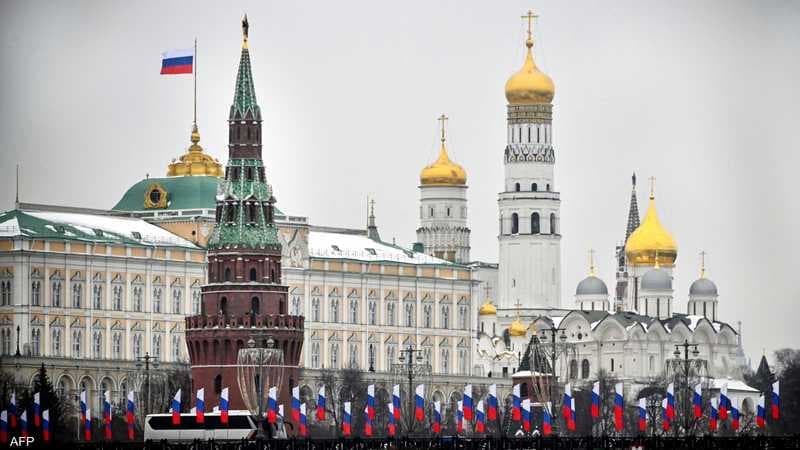
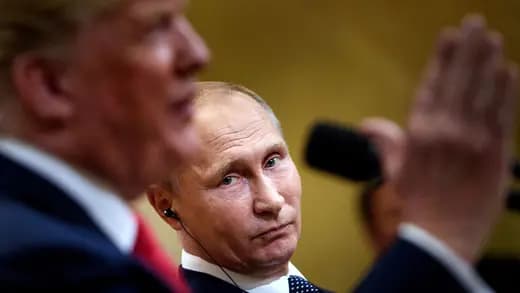
On Monday, the Kremlin refused to confirm or deny whether Russian President Vladimir Putin and U.S. President Donald Trump had spoken by phone about finding a way to end the war in Ukraine. This lack of clarity has created a sense of mystery around what could be the first direct contact between the two leaders since Russia’s full-scale invasion of Ukraine began in February 2022. Both Washington and Moscow have given mysterious answers, leaving many questions unanswered.
Trump Hints at Talks with Putin but Keeps Details Secret
While speaking to reporters on Air Force One on Sunday, Trump hinted that the U.S. was making progress in efforts to end the war but avoided sharing specifics. When asked if he had spoken to Putin since becoming president or before, Trump replied, “I’ve had it. Let’s just say I’ve had it… And I expect to have many more conversations. We have to get that war ended.” However, he refused to reveal any details, saying, “If we are talking, I don’t want to tell you about the conversations.”
Kremlin Spokesman Adds to the Mystery
Kremlin spokesman Dmitry Peskov added to the confusion when speaking to reporters in Moscow. He repeated his earlier statement, saying, “There is nothing else I can say. I can neither confirm nor deny it.” Peskov also mentioned that “many different communications are emerging,” but he did not provide any further clarity on whether Putin and Trump had actually spoken.
Background: The War in Ukraine
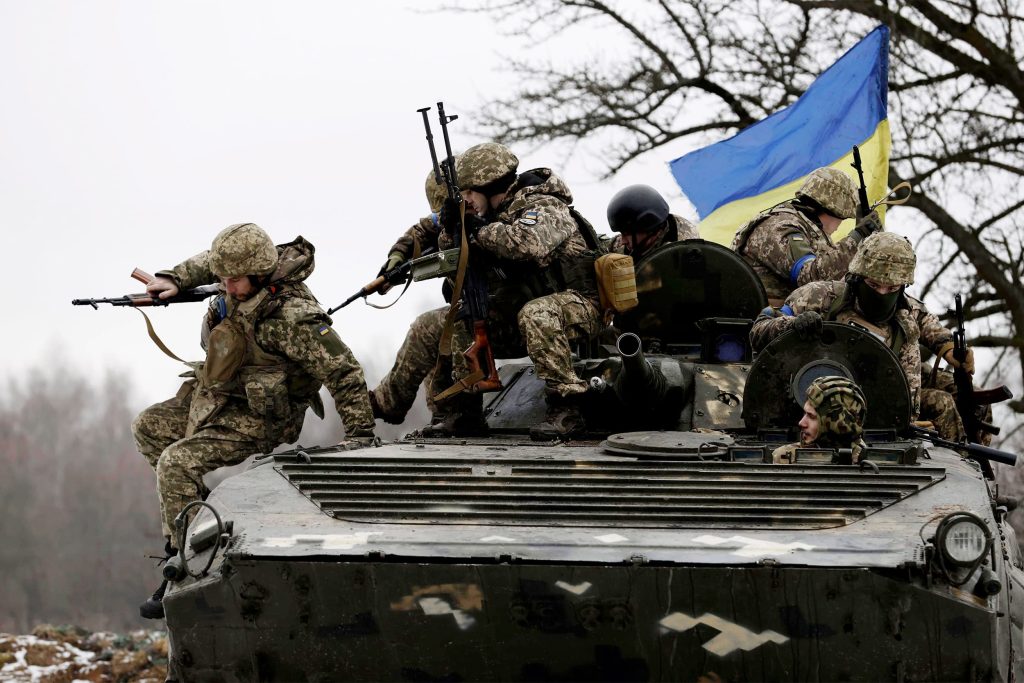
The conflict in eastern Ukraine began in 2014, following the Maidan Revolution, which saw the overthrow of Ukraine’s pro-Russian president. Shortly after, Russia annexed Crimea, a region of Ukraine, and began supporting separatist forces in the eastern Donbas region. These separatists, backed by Russia, have been fighting Ukrainian government forces ever since. The situation escalated dramatically in February 2022, when Russia launched a full-scale invasion of Ukraine, marking the largest military conflict in Europe since World War II.
Since then, Russia has gained control of a significant portion of Ukrainian territory, roughly the size of the U.S. state of Virginia. Despite fierce resistance from Ukraine and widespread international condemnation, Russian forces have continued to advance, achieving their fastest progress since the early months of the war. The conflict has caused immense suffering, with thousands of civilians killed, millions displaced, and widespread destruction of infrastructure. It has also strained global relations, leading to economic sanctions against Russia and increased military support for Ukraine from Western nations.
Could a Trump-Putin Summit Happen?
Donald Trump, known for his deal-making skills and author of the book The Art of the Deal, has repeatedly expressed his desire to end the war in Ukraine. He has suggested that a face-to-face meeting with Vladimir Putin could be the key to achieving peace. However, no specific plans for such a summit have been announced, leaving many questions about when and where it might take place.
Reports indicate that Saudi Arabia or the United Arab Emirates could serve as potential venues for the meeting, as both countries have maintained diplomatic ties with Russia and the U.S. A summit between Trump and Putin would mark a significant moment in international diplomacy, especially given the ongoing tensions between their two countries over the war in Ukraine.
In June, Putin outlined his conditions for ending the conflict: Ukraine must abandon its ambitions to join NATO and withdraw its troops from four regions that Russia claims to have annexed. However, Reuters reported in November that while Putin is open to discussing a peace deal with Trump, he is unwilling to make major territorial concessions. Putin has also insisted that Ukraine must give up its goal of joining NATO, a demand that Kyiv has repeatedly rejected.
The possibility of a Trump-Putin summit has sparked both hope. While some see it as a potential breakthrough to end the war, others worry that it could undermine Ukraine’s position or lead to a deal that favors Russia. For now, the idea remains speculative, with no concrete steps taken toward making it a reality.
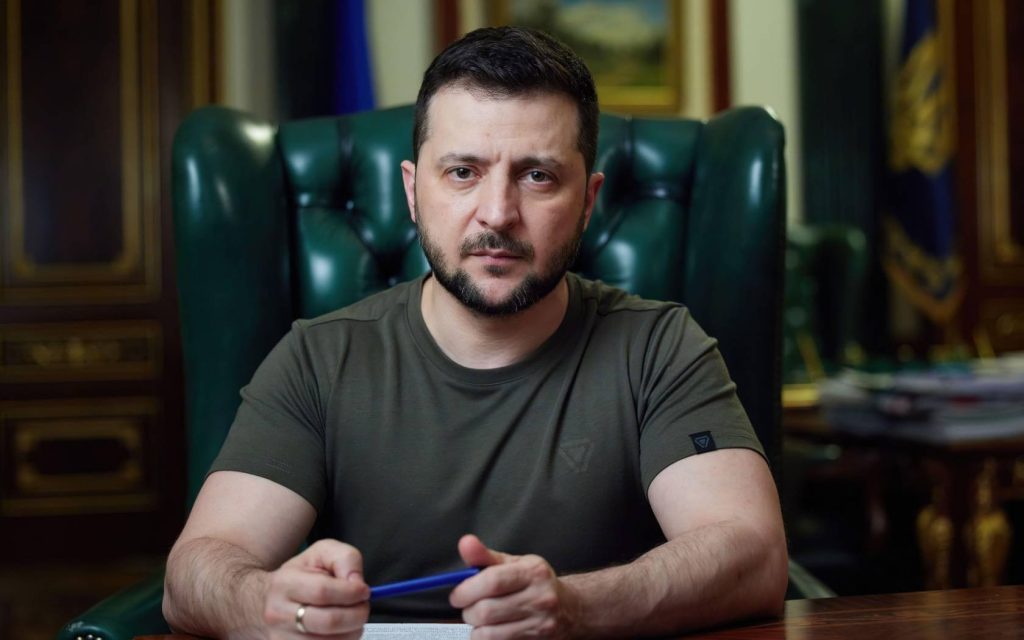
Ukraine’s Perspective: Zelenskiy Seeks U.S. Support
Ukrainian President Volodymyr Zelenskiy has expressed his desire for Ukraine to supply the U.S. with rare earth minerals and other resources in exchange for financial support to continue fighting the war. This highlights Ukraine’s efforts to strengthen its partnership with the U.S. while defending itself against Russian aggression.