
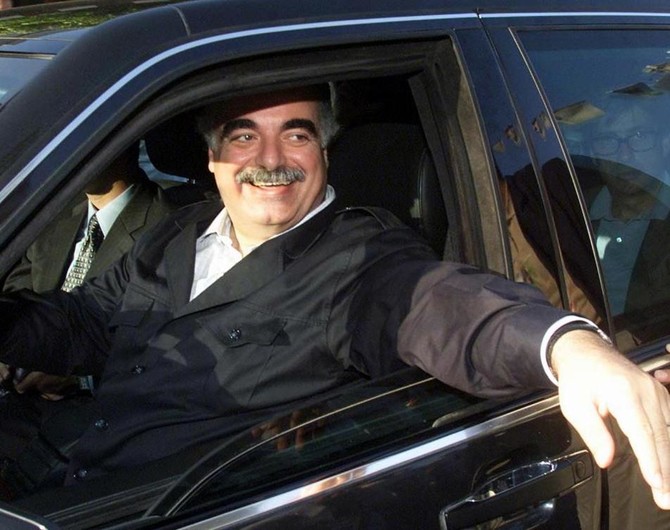
Rafic Hariri‘s name echoes in the hearts of the Lebanese people, not just as a political leader, but as a symbol of hope, resilience, and transformation. His vision for a prosperous Lebanon and his relentless efforts to rebuild a nation torn by conflict have left a mark on the collective memory of his people. Hariri’s life and legacy continue to inspire generations, reminding them of the power of determination and the impact one individual can have on an entire nation.
Reconstruction of Beirut
After the devastating Lebanese Civil War, Rafic Hariri emerged as a Symbol of hope, leading the charge in the reconstruction of Beirut. His ambitious projects breathed new life into a city left in ruins, transforming its skyline and infrastructure. Hariri’s efforts were not just about brick and mortar; they were about restoring the spirit and pride of the Lebanese people. His dedication to rebuilding Beirut created a sense of emotional connection and gratitude among the citizens, who saw in him a leader committed to their well-being and the future of their homeland.
End of Syrian Occupation
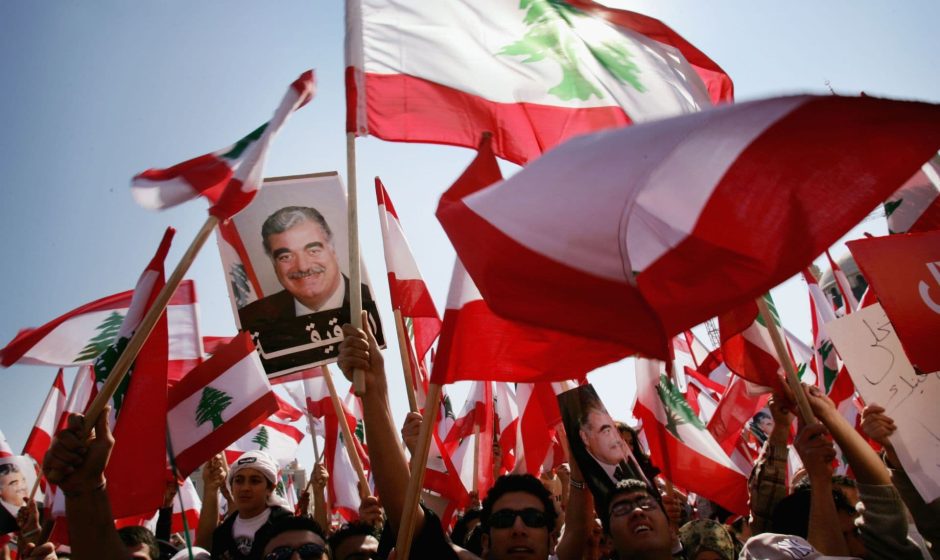
Hariri’s role in ending the Syrian occupation of Lebanon is another crucial chapter in his legacy. His assassination in 2005 sparked the Cedar Revolution, a massive wave of peaceful protests that demanded the withdrawal of Syrian forces from Lebanese land. The revolution marked a significant turning point in Lebanon’s political landscape. Hariri’s sacrifice became a rallying point for the Lebanese people, uniting them in their quest for sovereignty and justice.
Relationship with Saudi Arabia And Taif Agreement
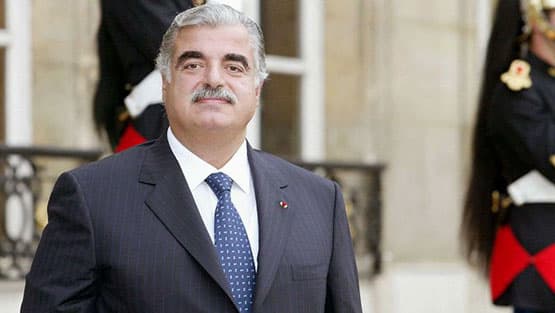
Rafik Hariri’s close ties with Saudi Arabia significantly shaped Lebanon’s post-civil war landscape. As a successful businessman within the Saudi “contractor bourgeoisie,” he helped deepen Saudi influence in Lebanon, serving as a bridge for its political and economic interests. Hariri played a key mediating role in the Taif Agreement (1989), which ended the civil war, leveraging his Saudi connections to secure international support. His pragmatic acceptance of Syria’s role in Lebanon allowed him to advance reconstruction projects in the 1990s. However, shifting regional dynamics and rising tensions with Syria eventually contributed to his tragic assassination in 2005.
A Businessman Who Built Opportunities and Shaped Lebanon’s Future
Rafik Hariri was more than a successful businessman; he was a complex leader who Dealt with Lebanon’s divided politics with strategic finesse. While building a Sunni base under Syrian pressure in the late 1990s, he maintained influence across sectarian lines, recruiting technocrats from diverse backgrounds to implement neoliberal reforms. Hariri’s role in the Taif Agreement and close ties with Saudi Arabia secured Lebanon’s post-war stability, while his focus on reconstruction and educational opportunities transformed infrastructure and empowered thousands of Lebanese students. His economic legacy, though mixed, continues to shape Lebanon’s financial landscape.
Vision for a Modern Lebanon:
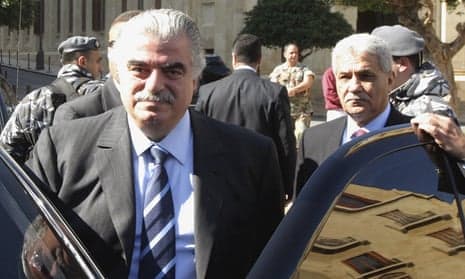
Rafik Hariri dreamed of turning Lebanon into a strong and successful country that could compete with others in the region. His goal was to make Lebanon a place where businesses could grow, tourists would visit, and people could find good jobs .But Hariri knew that buildings alone weren’t enough. He believed that education was key to Lebanon’s future, so he helped thousands of young people get scholarships to study in Lebanon and abroad. By giving people better education, he hoped they would come back with new ideas and skills to help Lebanon grow .His dream was to see Lebanon become a modern, thriving country where people of all backgrounds could live in peace, find success, and feel proud of their homeland.
Economic Impact and Tragic Death
Rafik Hariri made a big difference in Lebanon’s economy. As a successful businessman, he created plans to help the country recover and grow, working to make the economy stronger and more stable. Even though he faced many challenges, his efforts helped build the foundation for a better future in Lebanon.
His tragic assassination was a huge shock to the country. Lebanon didn’t just lose a leader—it lost a visionary who was dedicated to its progress. The sadness and anger that followed showed how much he meant to the people and how his impact is still felt today.
So rather than judging whether he was “good” or “bad , Lebanese people remember Rafic as (their last Savior)