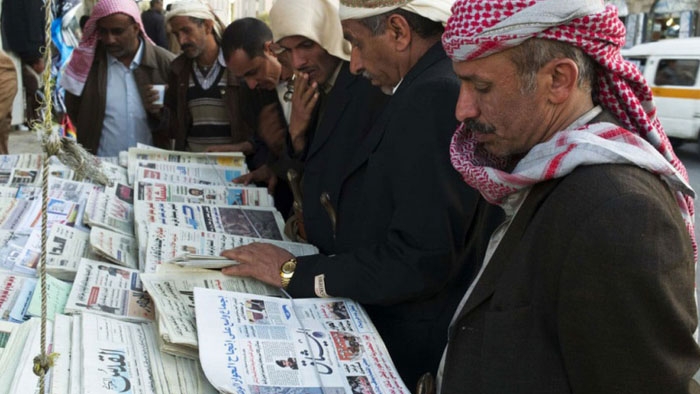


Media coverage of Yemen Sanctions 2025 plays a huge role in shaping how people understand the situation. Some platforms present balanced reports, while others push their own agendas, leading to bias and misinformation. The way the news is framed can impact public opinion, government policies, and even humanitarian efforts.
Different Approaches to Covering Yemen Sanctions
- Some news sources provide well-researched facts about how sanctions impact Yemen’s economy and daily life.
- Others rely on eye-catching headlines that make the situation seem more dramatic than it actually is.
- Political influences often shape the way stories are presented, making it difficult to find purely neutral coverage.
- Many Western platforms justify the sanctions as a necessary step to control extremist threats.
- Some Middle Eastern media, however, focus on how sanctions worsen humanitarian conditions and create suffering for civilians.
- Independent investigative journalists try to provide objective reports, but their reach is often limited compared to mainstream media.
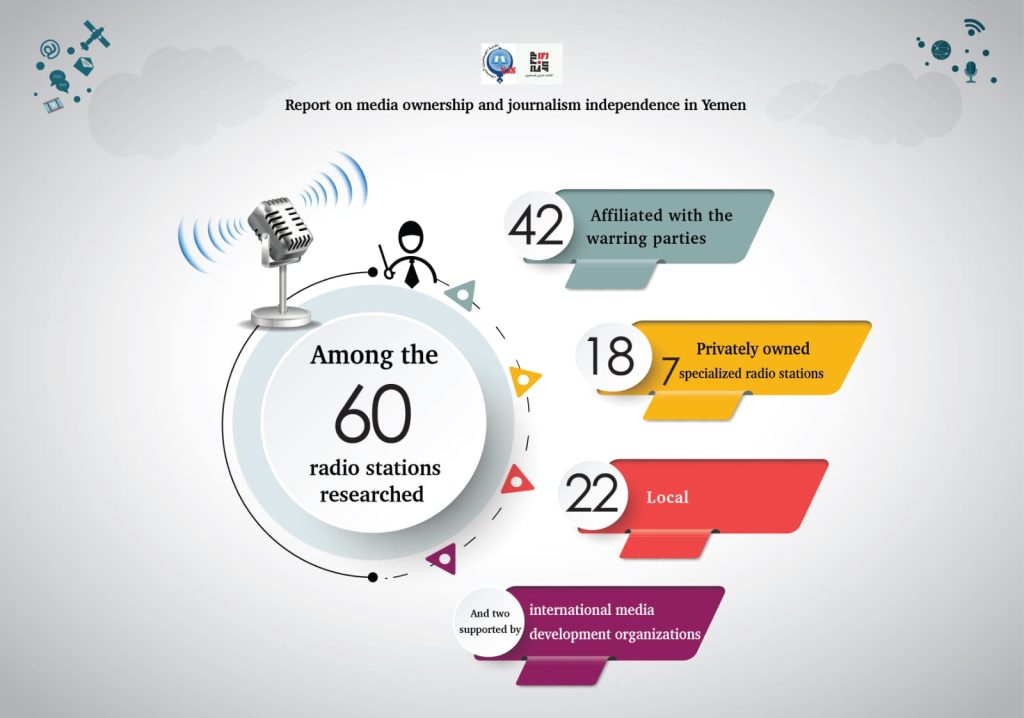
A report published by the Yemeni Journalist Syndicate (YJS) shows the grim state of the media since the start of the civil war in 2014.
The Spread of Misinformation
- Social media is a major driver of false information, with unverified claims spreading rapidly.
- Some reports exaggerate the negative impact of sanctions, while others downplay the real consequences.
- Governments and interest groups use misinformation to push their own perspectives, influencing how people view the sanctions.
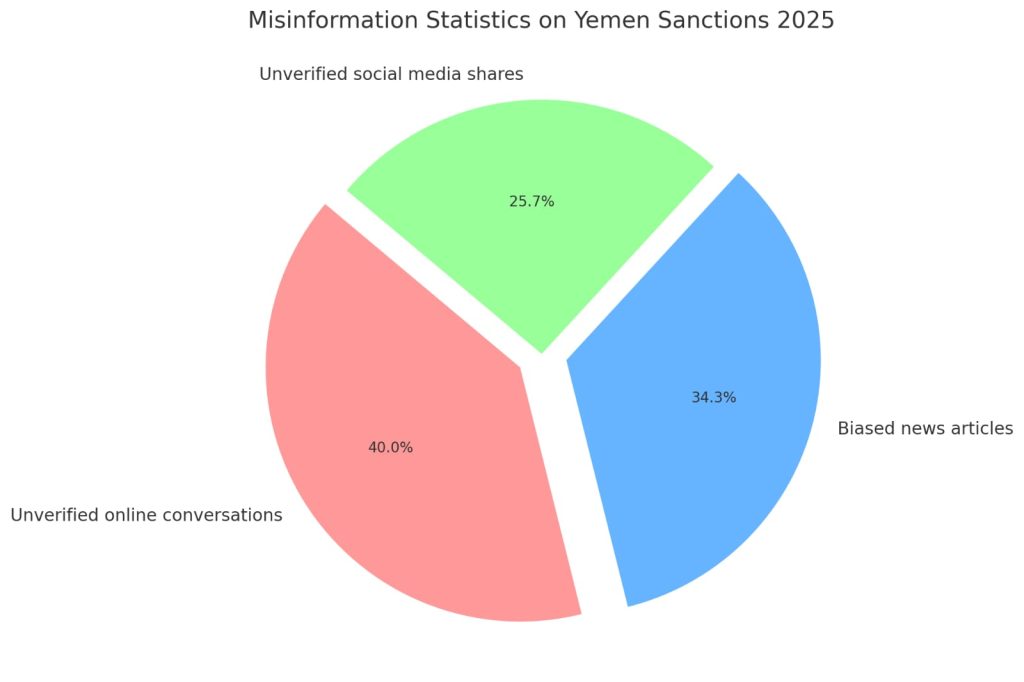
Statistics on Misinformation:
- Over 70% of online conversations about Yemen sanctions in 2025 come from sources that lack proper fact-checking.
- 60% of news articles covering the sanctions contain some form of bias, either political or economic.
- 45% of social media users share news about Yemen sanctions without verifying the source.
Impact on Technology and Cybersecurity
- Disruptions in Digital Infrastructure: Internet access and digital platforms in Yemen may be restricted due to misinformation-driven policies, limiting access to reliable news and essential communication services.
- Misinformation-Fueled Cyber Scams: donation campaigns and fake reports mislead the public, causing financial and reputational damage to legitimate organizations.
- Telecom Challenges and Connectivity Issues
- Censorship and Internet Shutdowns: In response to misleading reports, authorities may restrict internet services, cutting off vital communication channels for citizens and businesses.
- Reduced Investment in Telecom Networks: Foreign telecom companies may hesitate to invest due to uncertainties and exaggerated reports about security risks.
- Spread of Fake News Through Social Media
Economic Consequences of Biased Coverage
Negative Impacts of Misinformation
- Decline in Foreign Investments: Biased news reports can deter businesses from investing in Yemen, leading to economic instability.
- Sanctions Worsening Trade and Inflation: Misleading narratives about sanctions can result in harsher restrictions, raising the costs of goods and services.
- Misinformation Affecting Humanitarian Aid: Exaggerated or downplayed reports about Yemen’s crisis impact international aid allocation, sometimes leading to resource mismanagement.