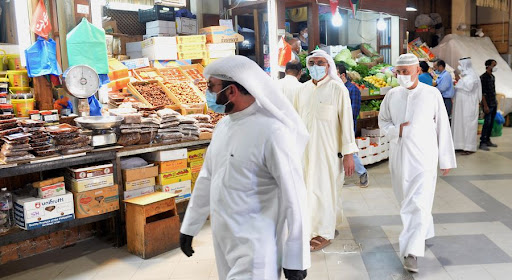
The Ramadan Economy: Before, During, and After
Ramadan is not just a spiritual month; it also has a big impact on the economy. Businesses change their strategies to match consumer habits.
Before Ramadan:
- People start preparing by buying groceries, clothes, and decorations.
- Businesses stock up on special Ramadan products.
- Marketing campaigns begin, promoting discounts and limited-time offers.
During Ramadan:
- Food consumption increases as families prepare special iftar meals.
- Shopping for clothes and gifts peaks, especially closer to Eid.
- Many businesses adjust their working hours to accommodate fasting employees.
After Ramadan (Eid Season):
- A shopping boom for Eid clothes, gifts, and sweets.
- Restaurants and cafés stay busy with celebrations.
- Travel increases as people visit family or go on vacations.

Retail and E-Commerce
- Ramadan is a major time for shopping, both in stores and online.
- Clothing brands release special Ramadan and Eid collections.
- Online shopping platforms like Amazon and local e-commerce sites offer discounts.
- Electronics and home goods sales increase, as families buy gifts or prepare for Eid.
- Many companies introduce “Ramadan Bundles” with themed products.
Advertising and Marketing
During Ramadan, businesses adapt their marketing strategies to align with the festive and spiritual mood. Emotional and family-focused advertisements become more prevalent, emphasizing themes of togetherness, gratitude, and faith. Social media influencers play a significant role in promoting food, fashion, and lifestyle products, catering to the heightened consumer interest during the season. Many brands also incorporate a charitable element into their campaigns, resonating with the spirit of giving that defines Ramadan. Additionally, flash sales and exclusive discounts become common, enticing buyers with special offers tailored for the occasion.
Food Industry: The Biggest Winner
During Ramadan, the food industry truly comes alive as people prepare special meals for iftar and suhoor. Grocery stores bustle with activity, seeing a significant spike in demand for cooking ingredients, dates, and traditional drinks as families stock up for their home-cooked feasts. Restaurants and bakeries join in the festive spirit by offering exclusive iftar and suhoor menus, drawing in customers who seek convenient and delicious meal options. Online food delivery services also experience a sharp rise in orders, especially around iftar time, as many prefer the ease of having meals delivered right to their doorstep. Sweet shops thrive during this season too, with traditional desserts

The Spiritual vs. Commercial Debate
Some people believe Ramadan is becoming too commercialized.
On One Hand
Businesses make it easier for people to prepare for Ramadan and Eid.
Charity and donation campaigns increase, helping those in need.
On The Other Hand
The focus on shopping and luxury can distract from the true meaning of Ramadan.
Some brands use Ramadan as a marketing tool without respecting its values.
Share your thoughts in the comments below!